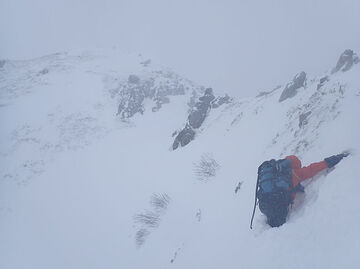
By Yoshiki Kinugawa, Finetrack Product Development Team
Expedition Concept
Spend around ten days in the winter mountains and go to a place that demands everything I currently have: mind, skill, and body.
Overview
For the 2026 New Year, we set out to traverse the Japan Northern Alps over nine days, crossing the range from Nagano to Gifu.
The team was the same group I had climbed with last year. As we planned this journey, one idea gradually became clear. Rather than relying on tents or huts, we would move through the range by utilizing snow caves.
The plan stayed flexible until the very end. The three of us would first aim for Mt. Suisho together. From there, I would continue alone toward Shinhotaka.
No matter how carefully you study maps beforehand, there are always things you only understand once you are actually there.
Dates: December 27, 2025 to January 4, 2026
Route: Bunatate Ridge → Noguchigoro-dake → Washiba-dake → MitsumataRenge-dake → Sugoroku-dake → Yumiori-dake → Shinhotaka
Day 1 — December 27
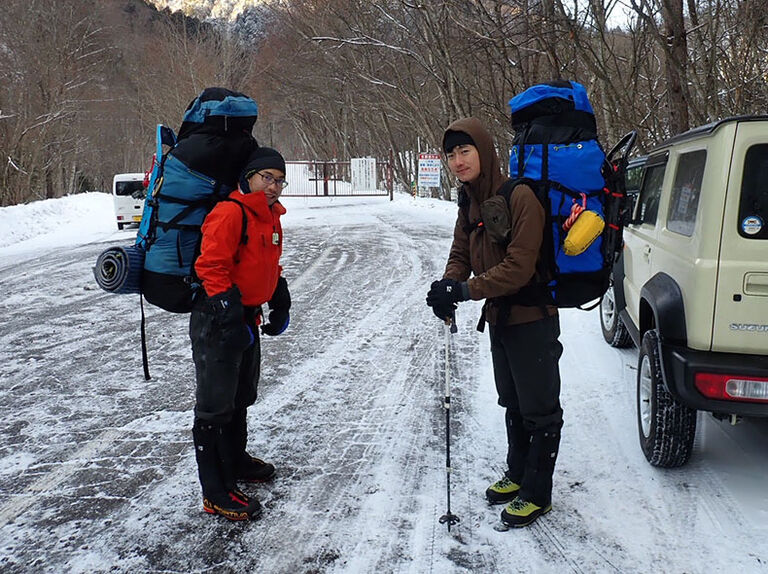
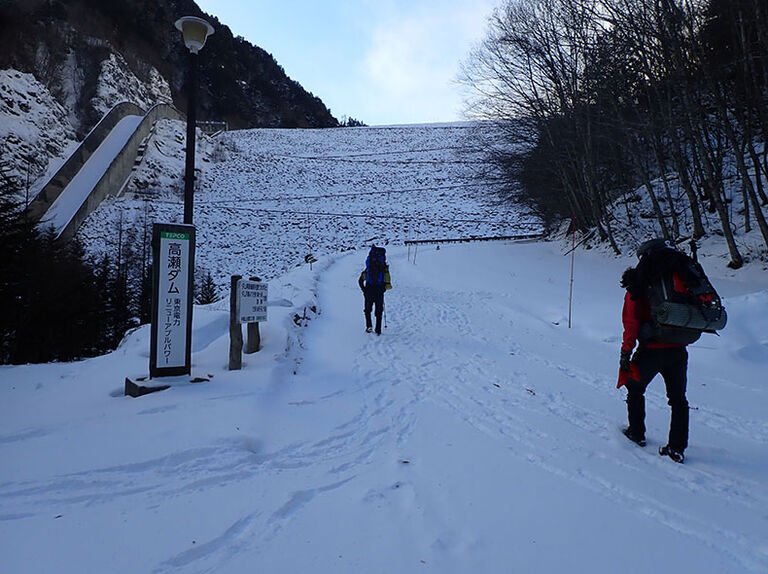
Kuzu Onsen → Takase Dam → Bunasawa Ridge → Bivouac at 1,750 m
Early that morning in Shinano-Omachi, I pushed eight sweet buns and two chocolate bars from the last convenience store into the already overflowing lid of my pack.
I did not need them.
But when the pack is still on the ground, it is easy to forget how heavy it already is. Adding just a little more always feels harmless.
That illusion disappeared the moment I lifted the pack out of the car.
After about 8 kilometers of road walking, we reached the start of Bunatate Ridge around 11:15 a.m. Snow coverage was thin and a faint track led the way, so we could move without flotation. Around 1,600 meters the traverse worsened and we switched to crampons. With heavy packs, even a small break through the crust could throw off balance, so we moved carefully, one step at a time.
Deeper snow might actually have been easier. Taking turns breaking trail with lighter loads could have reduced the effort. Instead we carried everything the entire way.
.jpg?sw=768 "Image without a name")
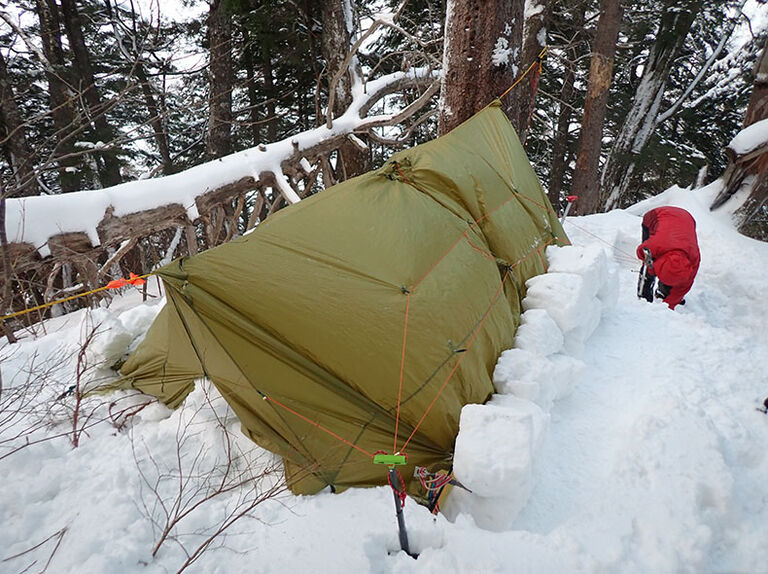
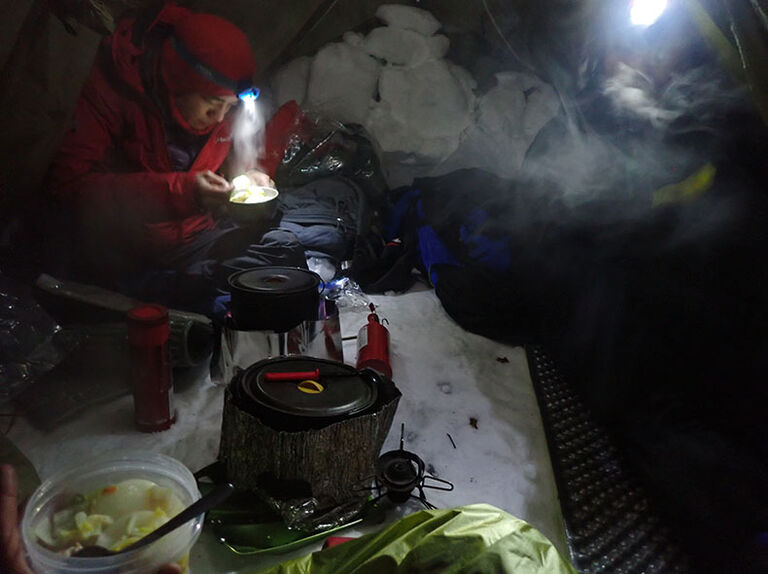
At 2:10 p.m. we reached a gentler section around 1,750 meters and decided to stop. Snow was so shallow that after packing it down and cutting two blocks, we were already hitting ground. In the trees we linked two long zelt shelters so the three of us could sleep in a line.
Then came the first problem. Both gasoline stoves refused to work.
Mine had been fully serviced at home, but I had assembled it incorrectly. K’s stove simply needed lubrication. We took both apart on the spot, and after about thirty minutes they were running again.
We ate, melted water for the next day, wrote in our journals, and went to sleep around 8 p.m.
Sometime after midnight, wind-driven snow slipped through a small gap between the shelters and dusted my face, waking me once.
Day 2 — December 28
Bunatate Ridge (1,750 m) → Eboshi Hut → 2,616 m point below Mitsu-dake → turned back → igloo camp
Cold and darkness made for a slow start. We did not begin melting water until around 6 a.m. Snow had swirled through the trees all night, so I expected poor weather, but outside the sky was clear.
We climbed steadily and reached the Eboshi ridgeline around 2 p.m. There we found tracks from two climbers who had apparently passed earlier that morning toward Noguchigoro-dake. Another party’s tracks always bring mixed feelings. It is reassuring to see them, but also a little frustrating.
During a break we tried to imagine who they might be based only on their tracks. We never caught up with them, so our favorite theory, that they were two exceptionally strong mountain women, remained unproven.
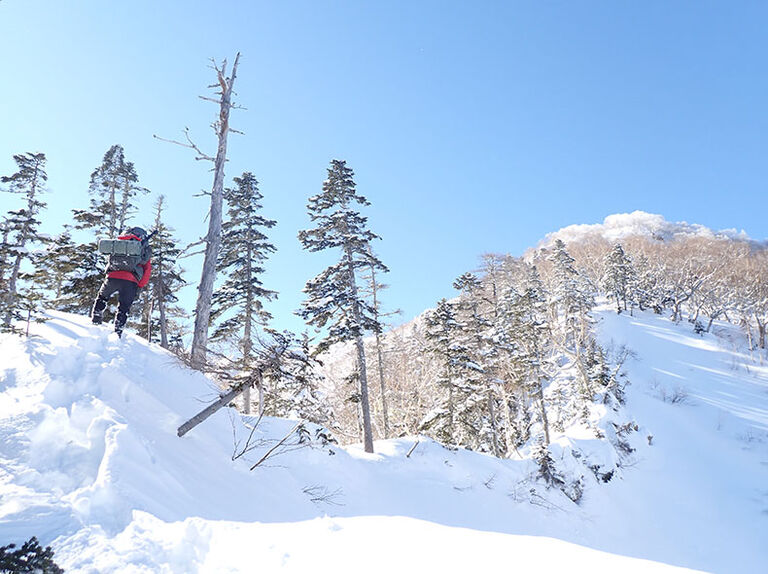
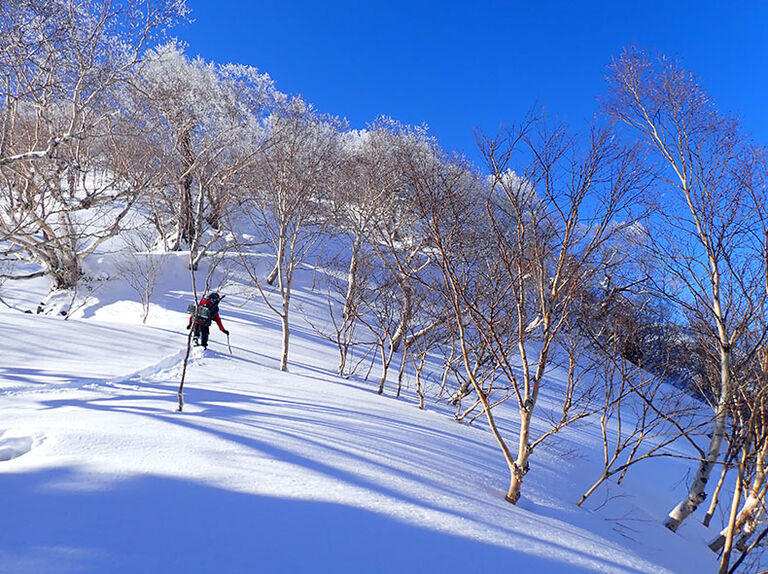
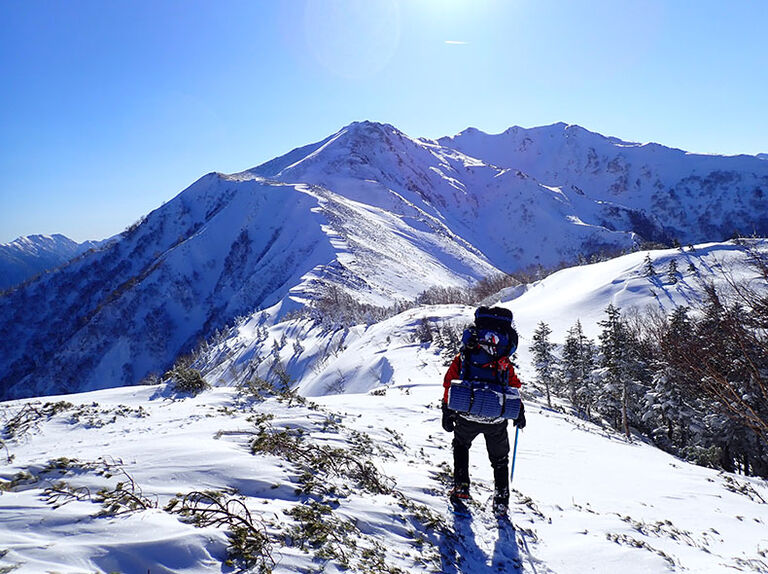
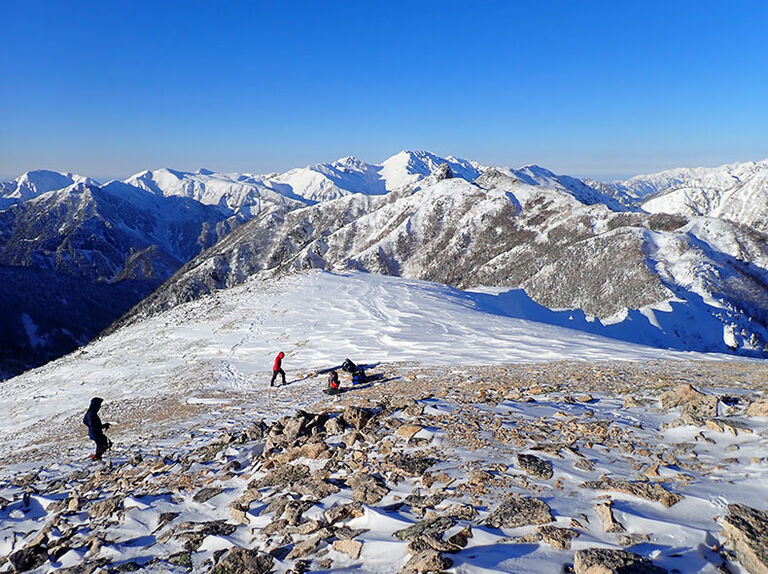
Because the weather held, we continued toward the col below Mitsu-dake. The ridge had been heavily scoured by wind and ground appeared in places where snow had blown away. The leeward side dropped steeply, and we could not find a suitable drift for digging a shelter.
After pushing nearly an hour beyond Eboshi Hut, we turned back and returned to a wooded area about ten minutes from the hut.
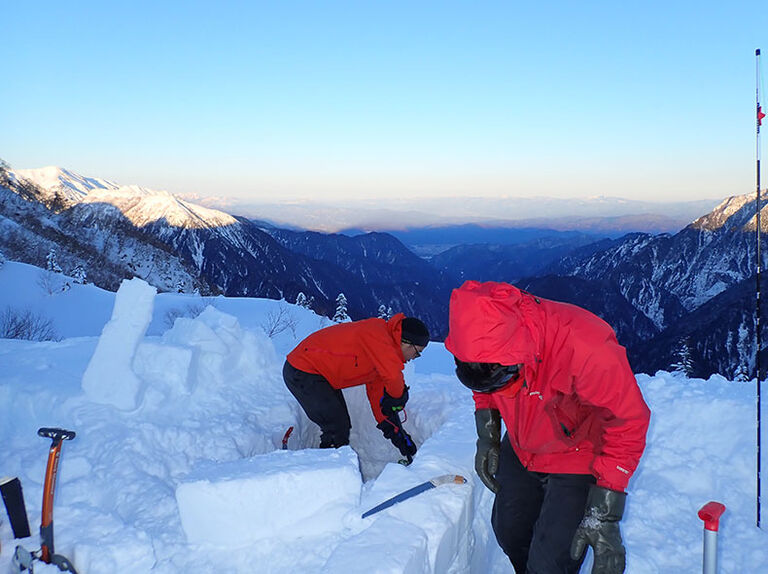
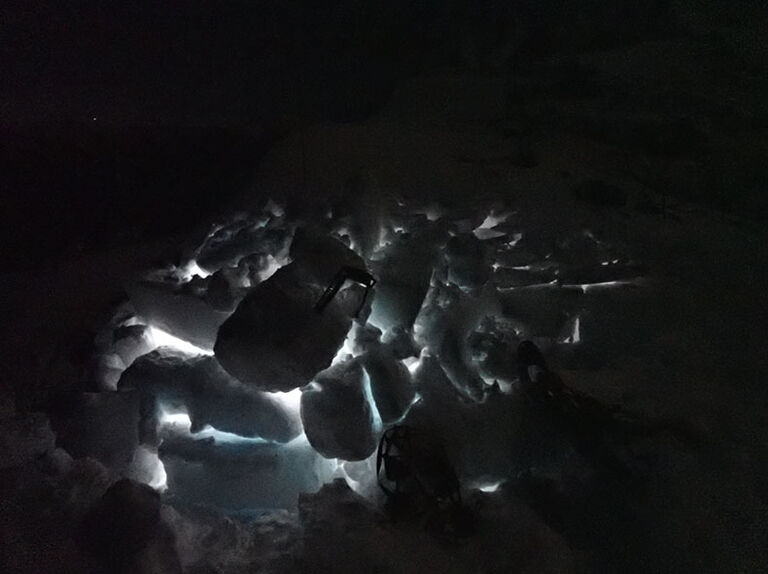
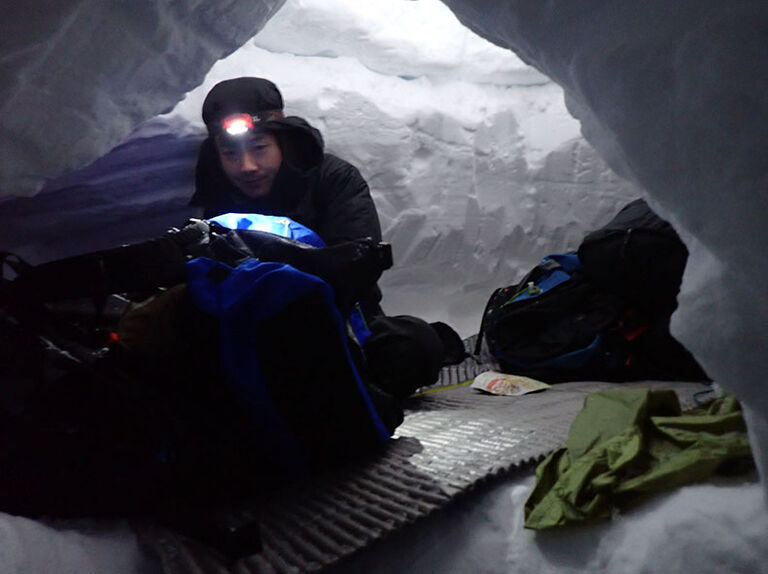
There was enough snow for a cave, but we decided to build igloos for practice. T and I built a two-person igloo while K constructed a solo one beside it and connected the two underground. He struggled to close the roof and ended up working well into the evening.
Everyone was tired and the mood fell quiet while we melted water. But once we ate something warm and turned on the radio, the atmosphere lifted again.
That night brought a small lesson. Tiny gaps remained in the igloo roof after cooking, and we were too lazy to seal them carefully before sleeping. By dawn, powder snow had blown through the openings and left a thin layer on my sleeping bag cover.
Day 3 — December 29
Toward Noguchigoro-dake → Snow Cave near Yumata Junction
We left after 8 a.m. Each morning we talked about starting at sunrise, but when it is dark and bitterly cold, leaving early becomes more of an idea than a reality.
The weather was clear again. With much of the snow stripped from the ridge by wind, we moved almost at summer pace. Three consecutive sunny days during the New Year period in the Japan Northern Alps felt almost suspicious.
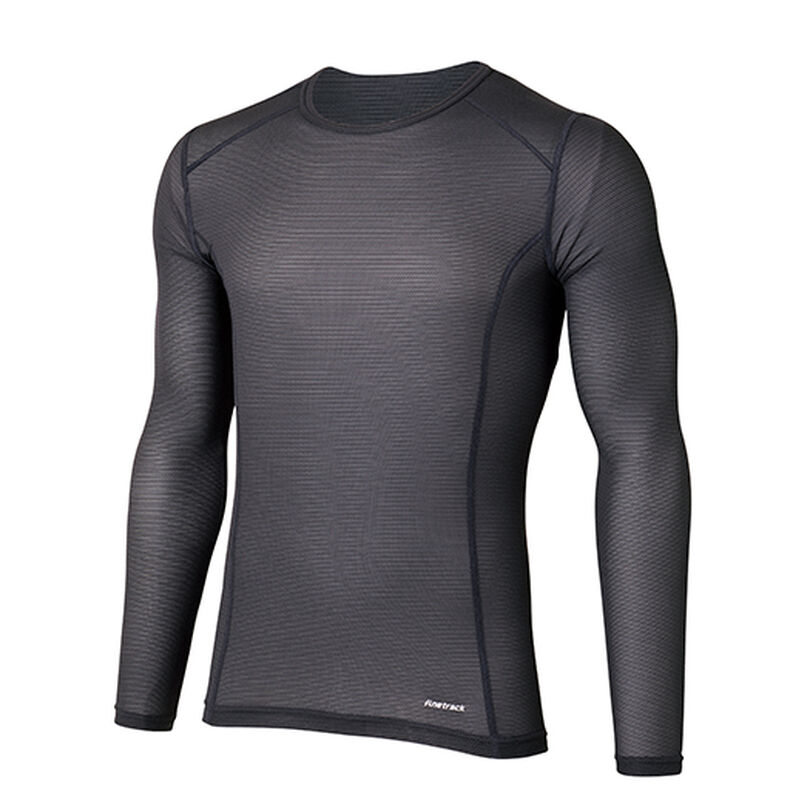
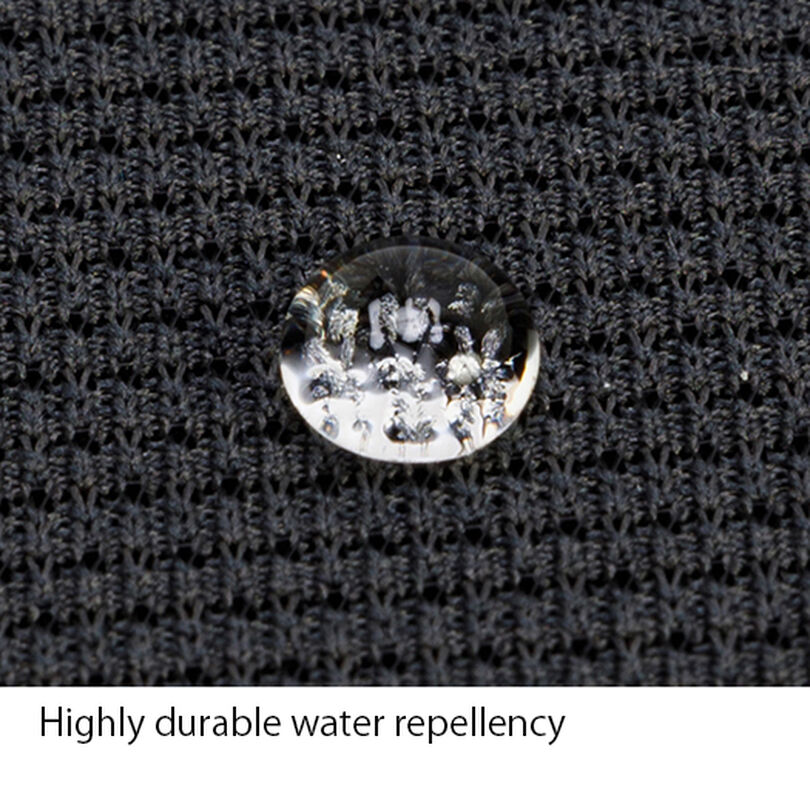
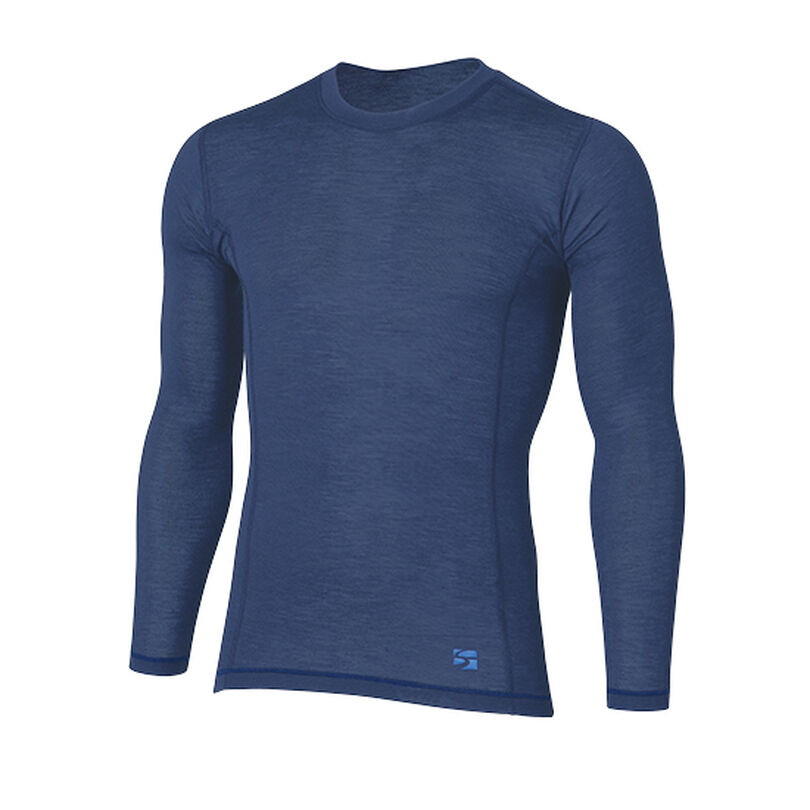
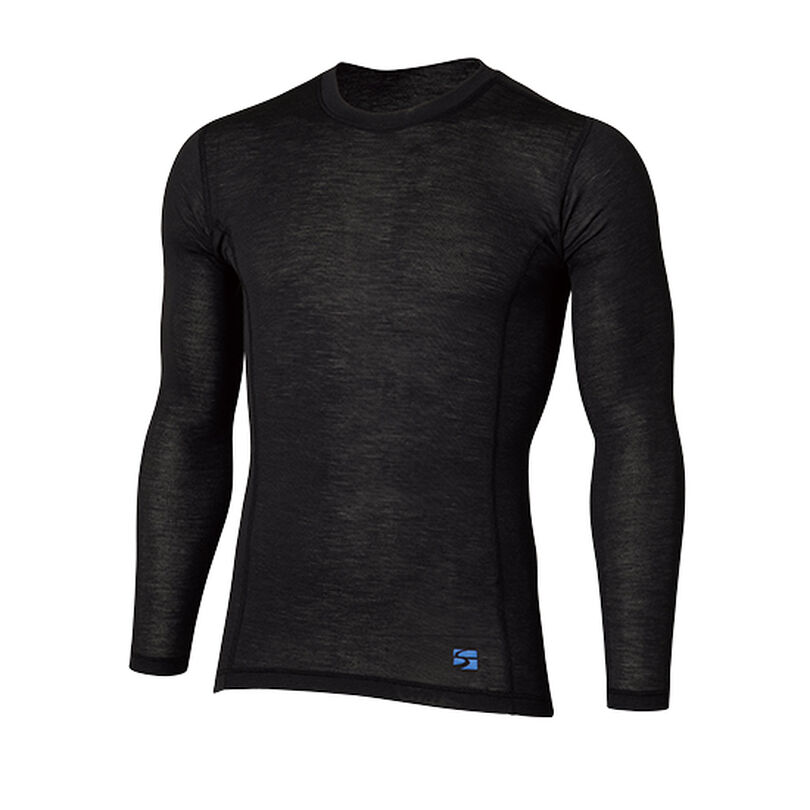
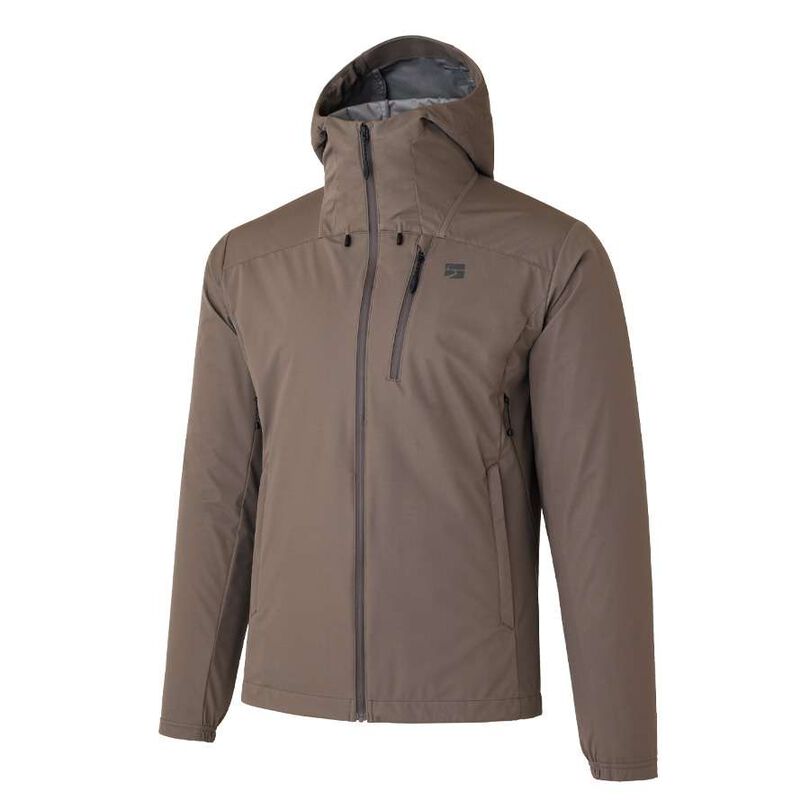
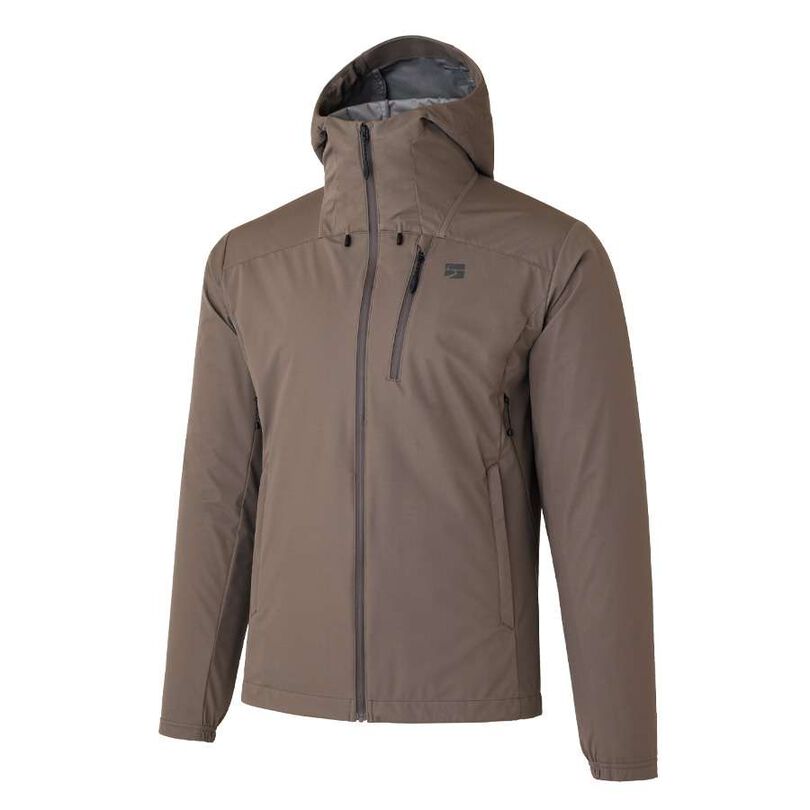
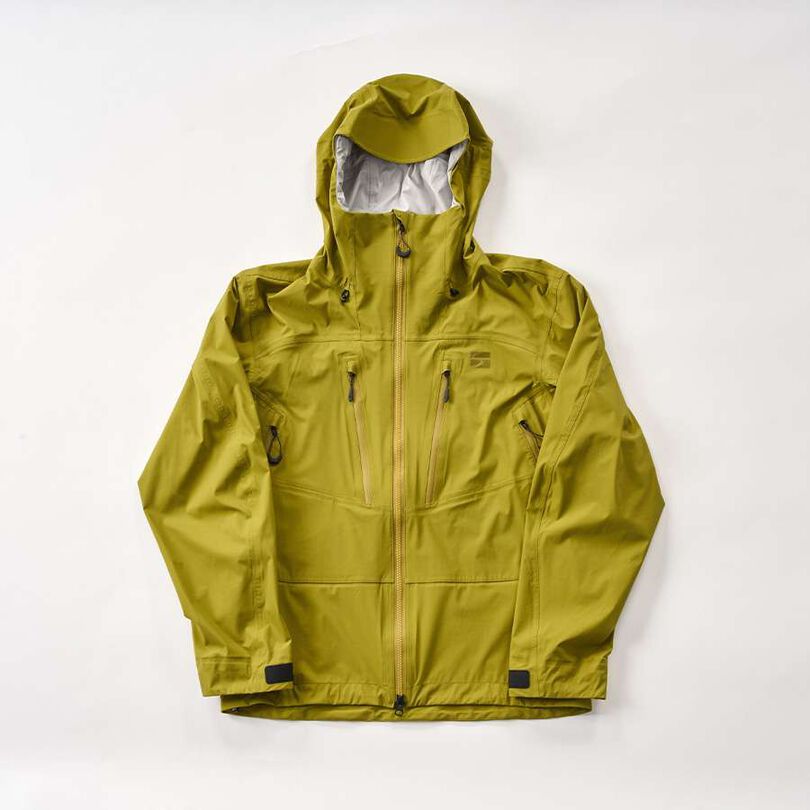
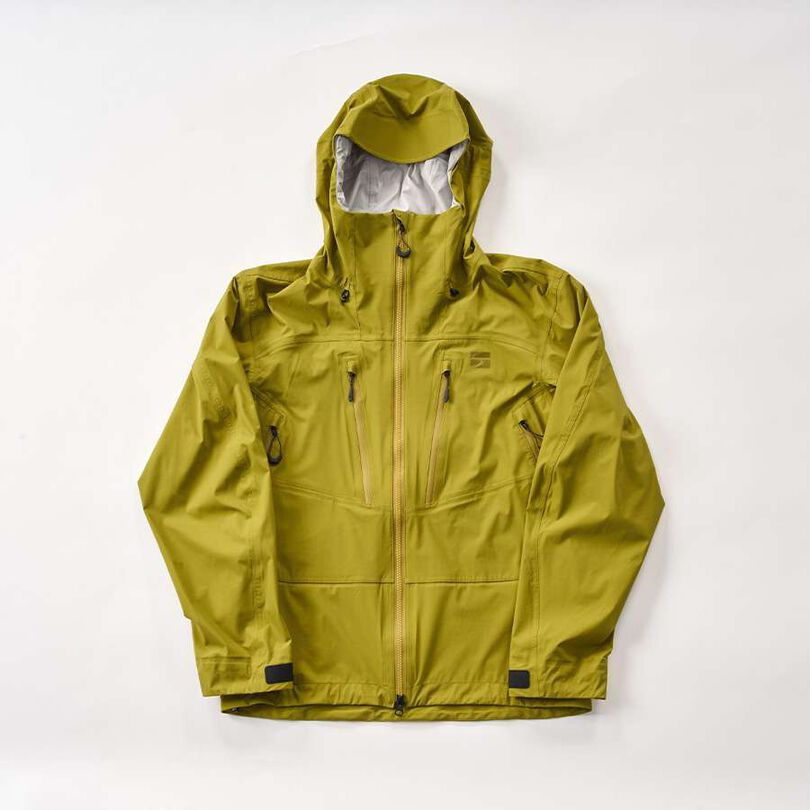
The wind strengthened gradually, but the sun was out and I could travel comfortably wearing four layers: Elemental Layer Warm, Merino Spin Light, Flow Wrap, and Everbreath Primo.
We reached Noguchigoro Hut around 12:50 p.m., then the col near the Yumata junction around 2:30 p.m. After discussing our options, we decided to attempt Mt. Suisho from there the following day.
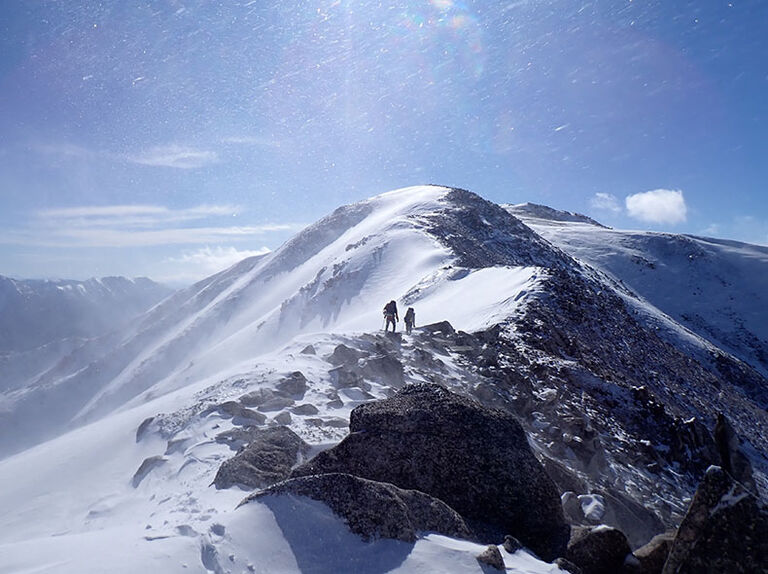
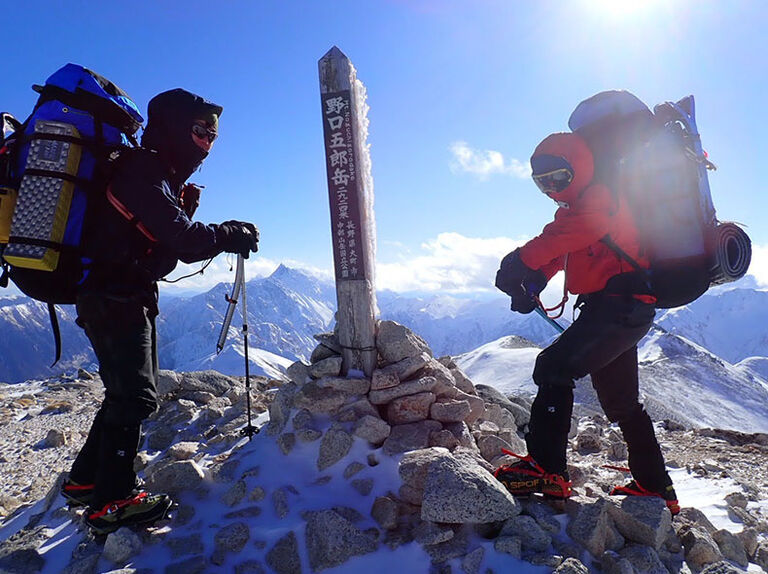
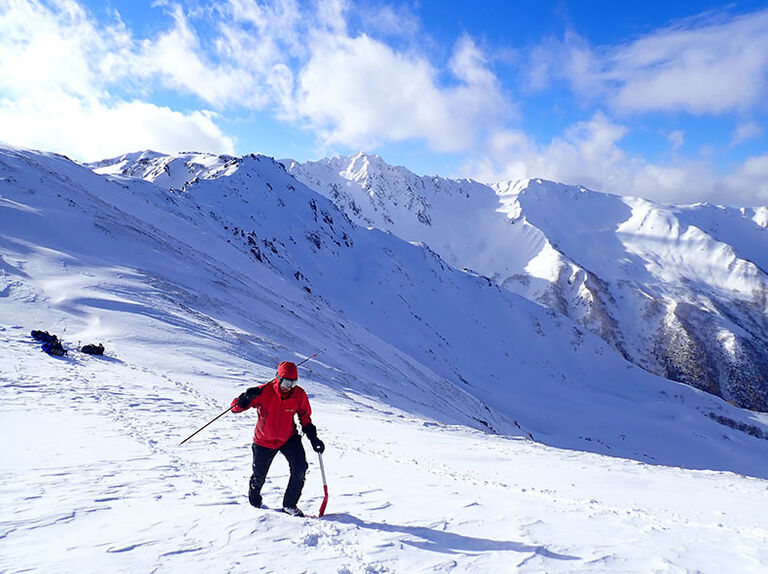
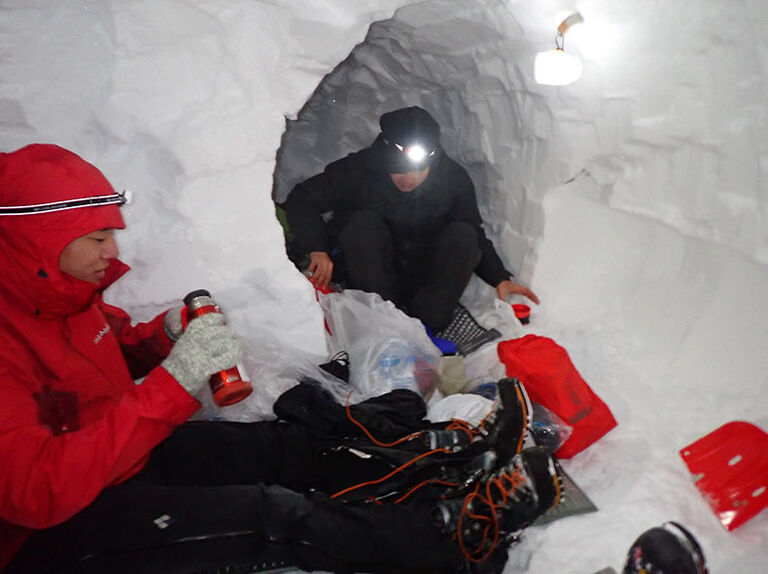
We dug a snow cave on the leeward side of the col. Since we expected to stay at least two nights, we spent several hours making it comfortable. By the end we had carved a large cave tall and wide enough to fit a four-person tent.
Learning from last year, when a change in wind direction destroyed our snow cave, we made the entrance long and the ceiling thick. We sealed the entrance with a zelt and tied tools to guy lines so they could not be blown away.
Even so, T’s snow saw disappeared into the wind while we were working.
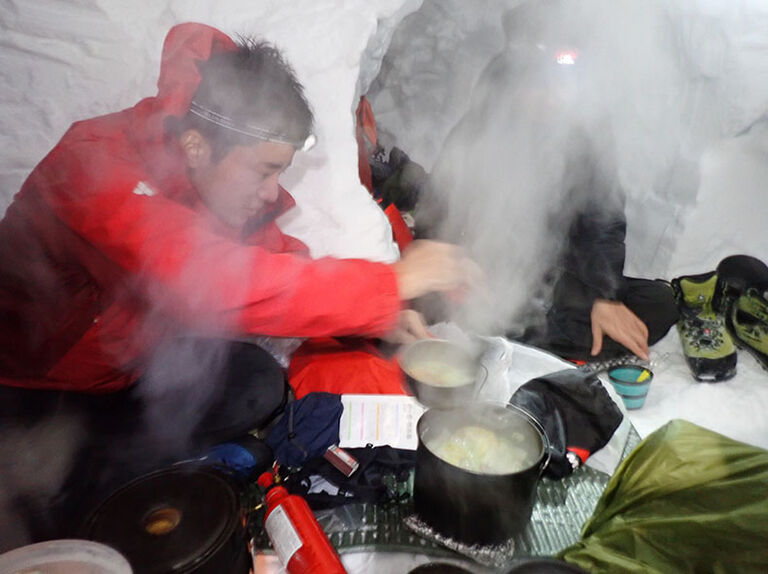
Dinner was seafood hot pot. Carrying vegetables that far up the mountain had been worth it. It felt like a memorable way to close out 2025.
Day 4 — December 30
Attempt on Mt. Suisho
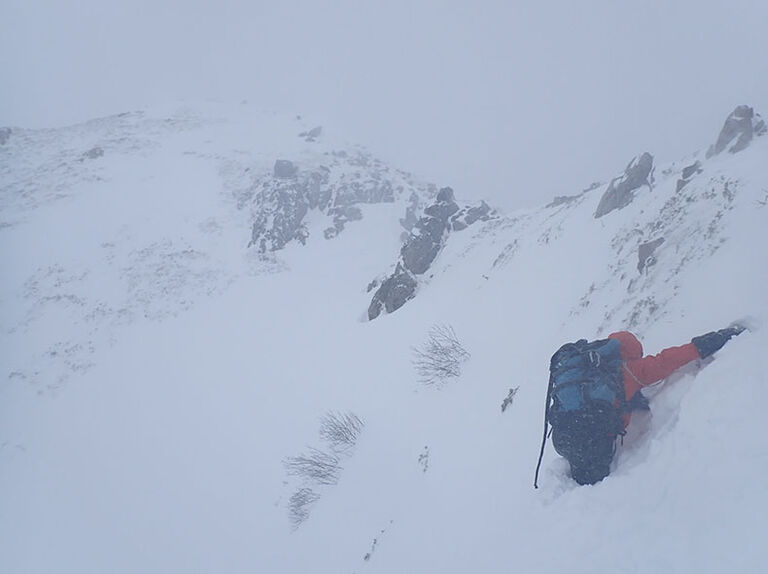
We woke at 5 a.m. planning to leave at 7, but digging out the buried entrance delayed us until 8. Wind was strong and visibility poor, but still manageable.
We moved slowly, switching between snowshoes and crampons, and reached Suisho Hut around 10:50 a.m. No matter where we stood, the wind tore across the ridge.
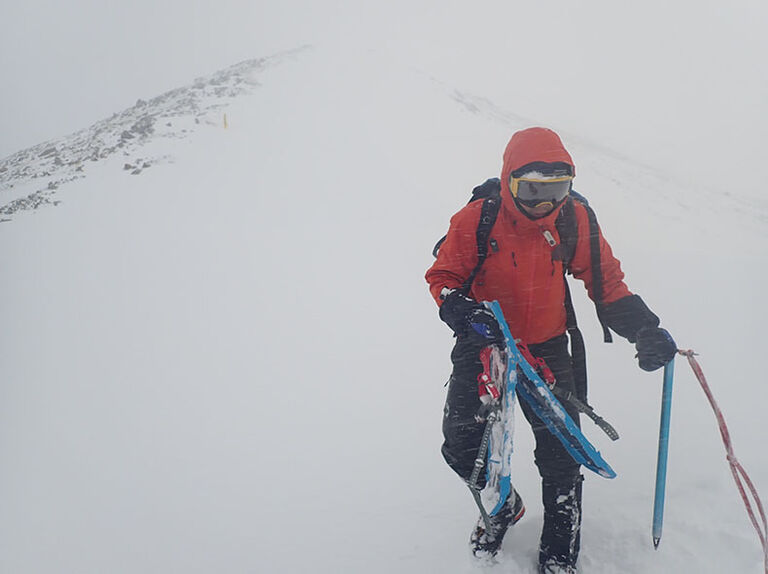
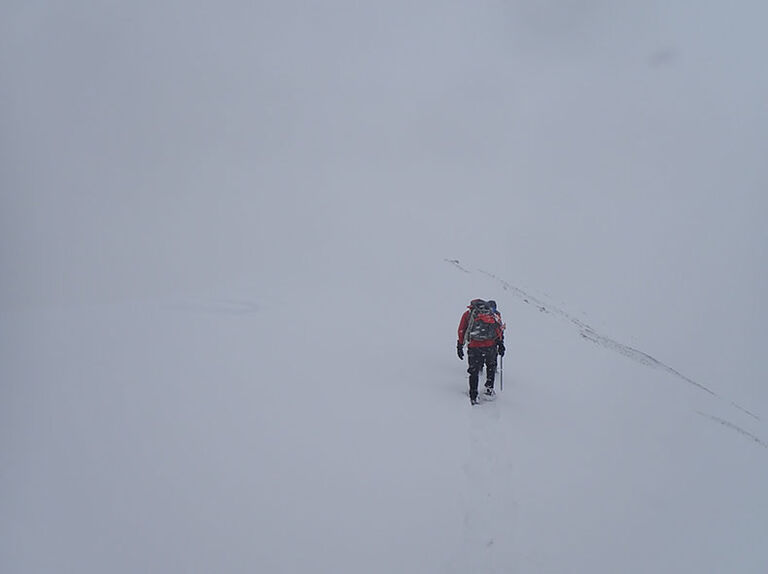
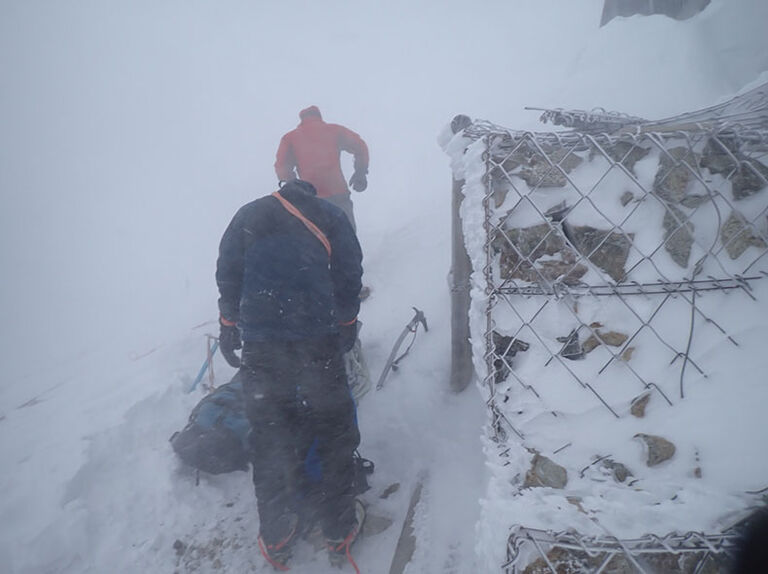
Visibility had not improved and the wind remained borderline, so we turned back.
Later, once we returned to the cave and the wind eased, I wondered if we might have continued. But the terrain around the hut likely amplified the wind.
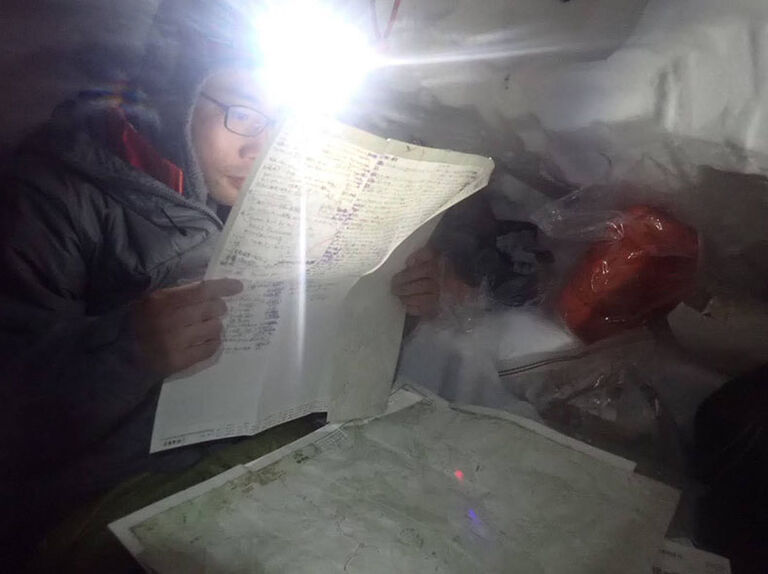
Back in the cave we expanded the space and spent a quiet half day inside. We drank soup, made sweet red bean soup, listened to the radio, and reflected on the year.
Snow fell steadily outside.
Day 5 — December 31
The Group Splits
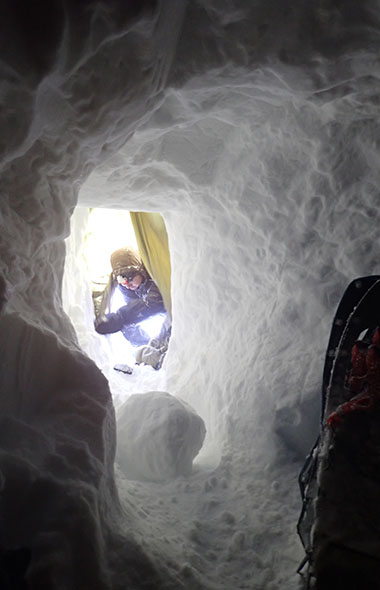
In the morning the cave was quiet because the entrance had been buried by fresh snow. T dug us out.
At first I assumed we might stay put, but after checking outside he said it might still be possible to move. We prepared quickly.
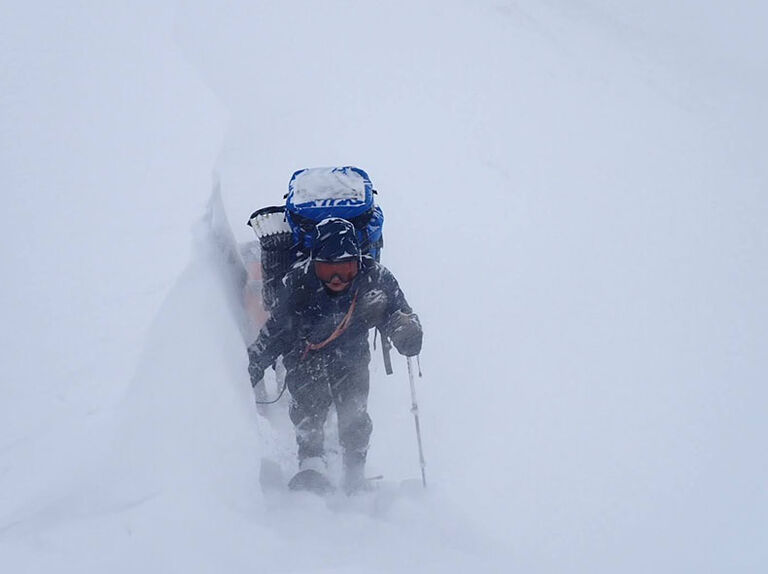
Once outside with my pack after 9 a.m., I realized the weather was worse than it had seemed from the sheltered side of the col.
From there, K and T turned back due to schedule limits, while I continued alone toward Shinhotaka.
Before separating, we shook hands firmly.
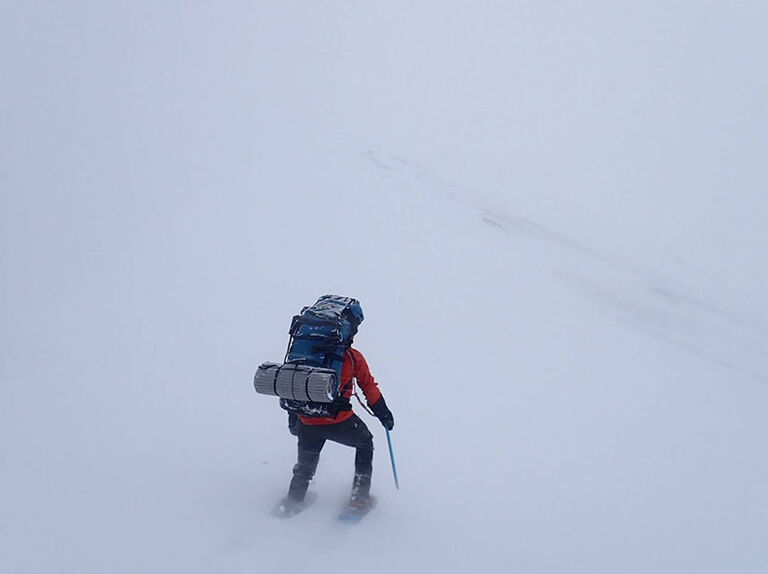
Fresh snow made progress slow. But the terrain from the previous day remained in my memory, and faint traces of old tracks helped guide me forward.
Near Suisho Hut the wind became violent again. I pushed toward the ridge leading toward Washiba-dake, but soon entered complete whiteout.
The wind had become so intense that it no longer felt like a place humans should stand.
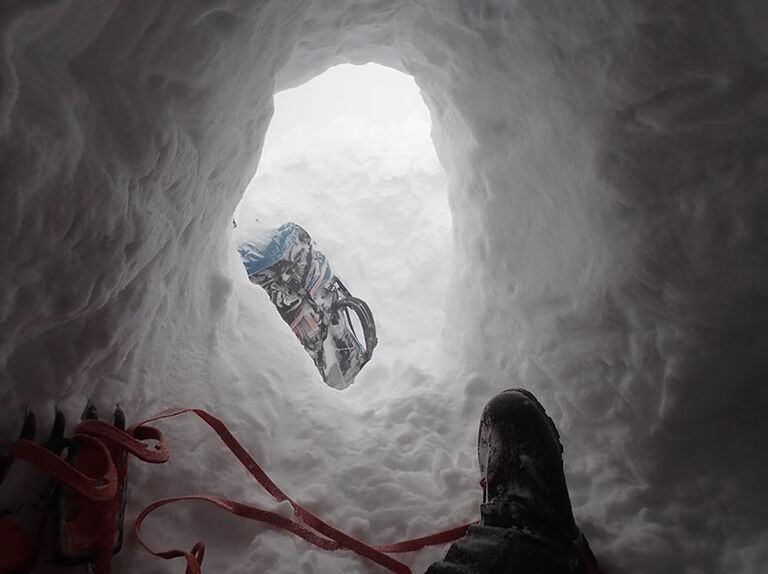
With uncertain terrain ahead and no clear place to dig a shelter, I turned back and dug a solo snow cave lower down.
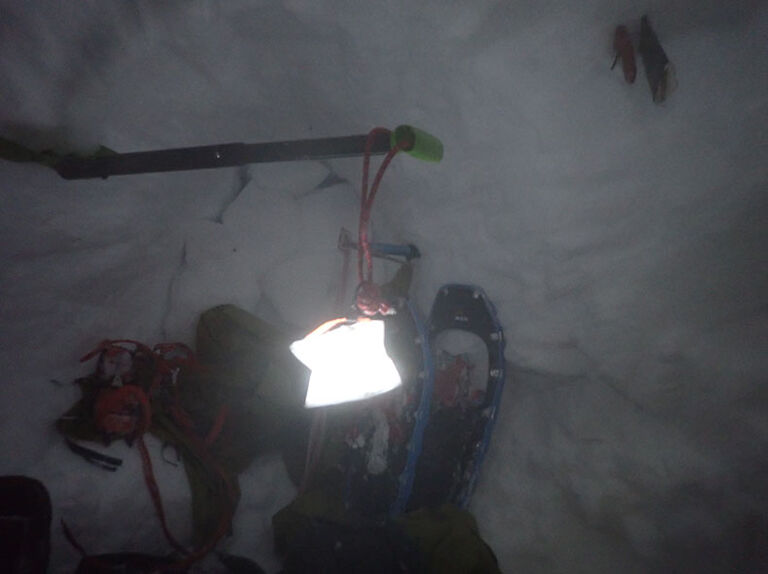
Working alone meant digging and clearing snow by myself, but by just before 5 p.m. I had carved a space comfortable enough to stay in.
Inside, though, the silence felt heavy.
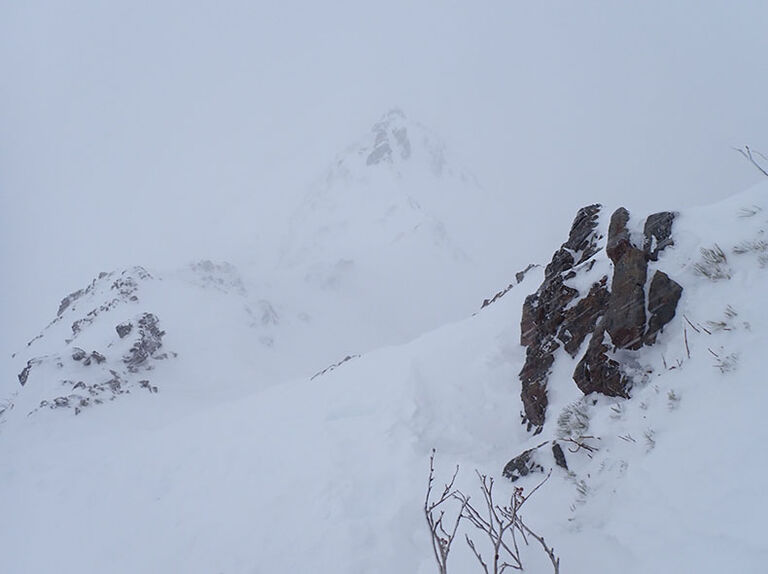
My journal from that night reads, “Maybe I should have gone back with them.”
Warm food helped. So did the radio. Once it came to life, the cheerful DJs lifted the mood, and before long I was laughing alone inside the cave.
The forecast said tomorrow would improve.
But another storm was coming.
The traverse continues in Part 2...
Products I picked for this traverse
 New
New
 New
New
 New
New
 New
New