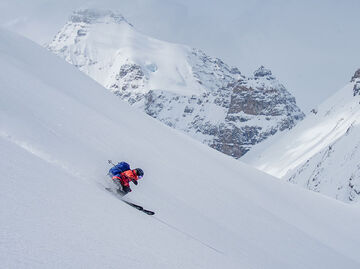
A good hard shell has three jobs: move freely with your body, keep snow and rain out, and let sweat and heat escape. That sounds simple, but anyone who has worn a stiff, crinkly shell on a long day in the mountains knows how rarely all three come together.
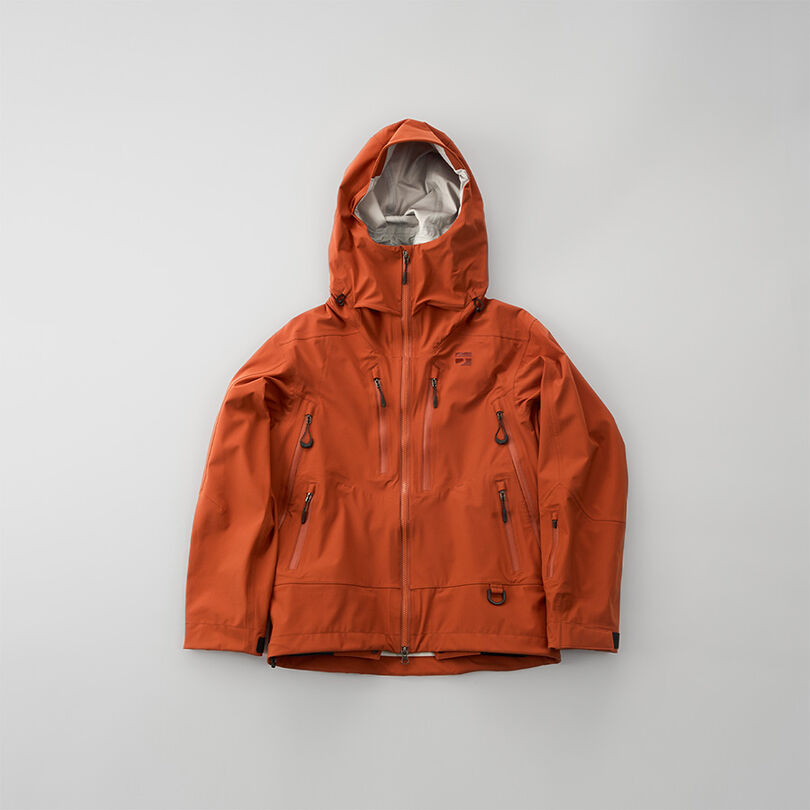
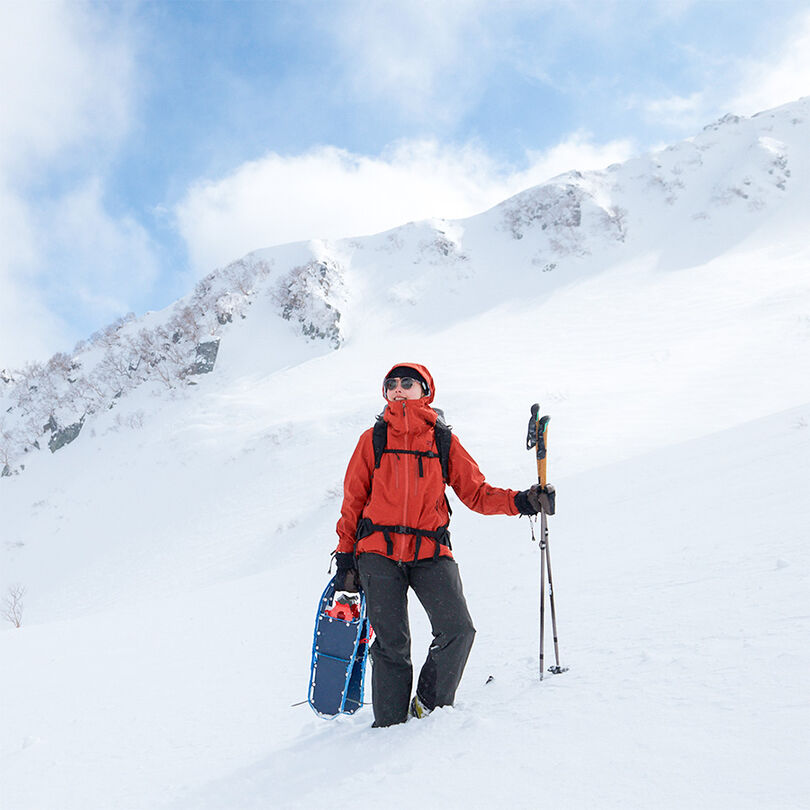
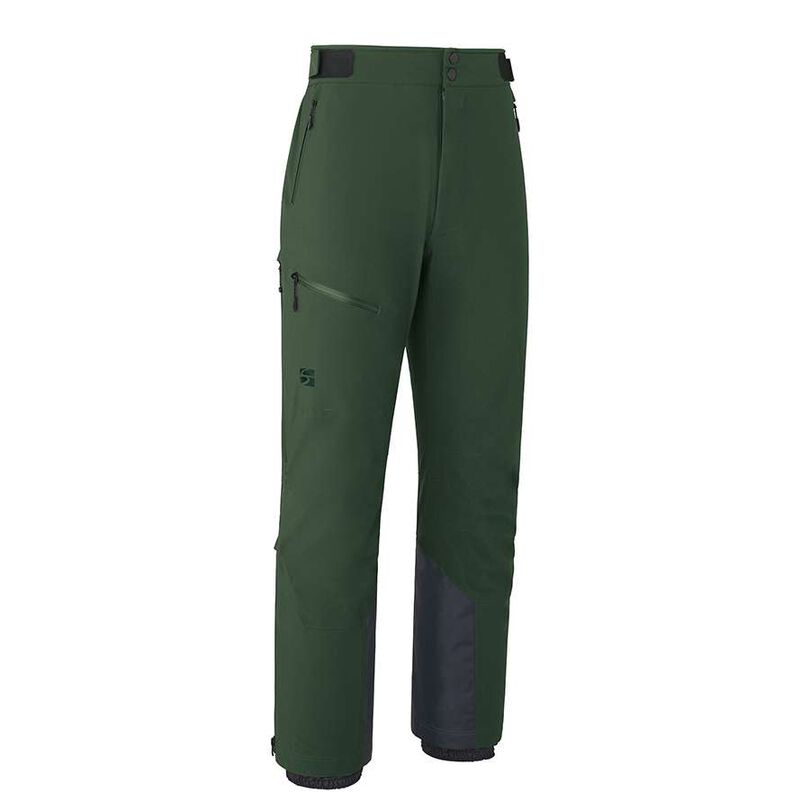
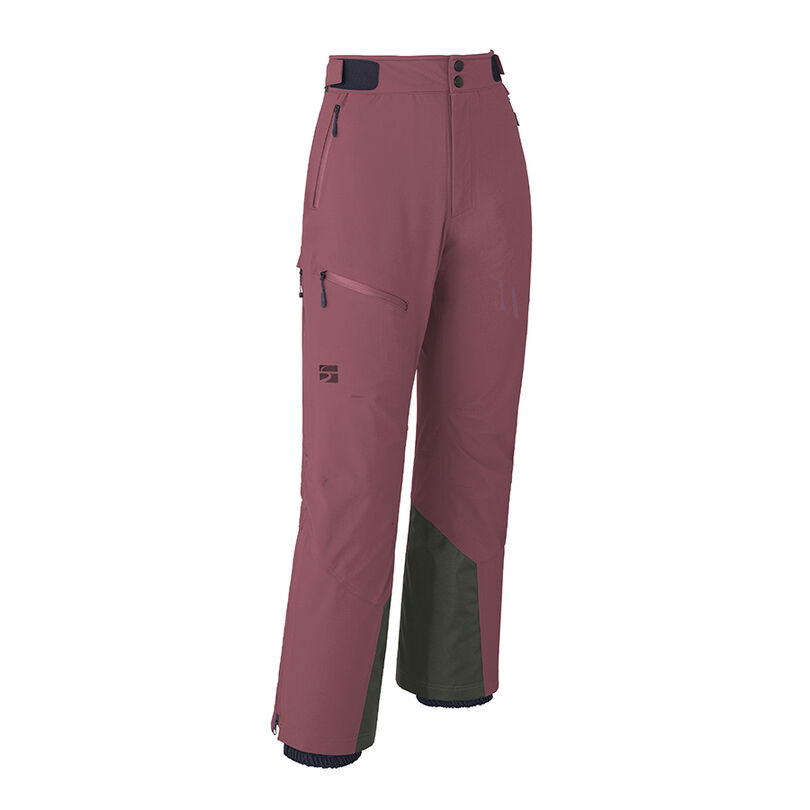
That is exactly the challenge we set out to solve with the Everbreath® Snowline. Within our L5 outer-shell series, it offers the highest level of freedom of movement, and it is designed to work just as well on a winter mountaineering route as on a backcountry ski tour. For autumn/winter 2026 it returns in a fresh set of colors.
What you can't see from the outside is how much skill goes into it. Behind this one jacket is the expert work of many craftspeople, each handling a different stage of its making. Their story starts with something very small: a single strand of yarn.

Why stretch matters on snow
When we began developing the Snowline, we set ourselves two goals: stretch that lets you move without restriction, and waterproof-breathable performance you can rely on in both snow and rain.
The trouble is that these two goals rarely go together. Most waterproof-breathable fabrics are stiff, don't stretch well, and tend to make noise when they rub. Because the fabric itself won't give, jackets and pants made from it have to be cut a little baggy so the knees and elbows have room to bend.
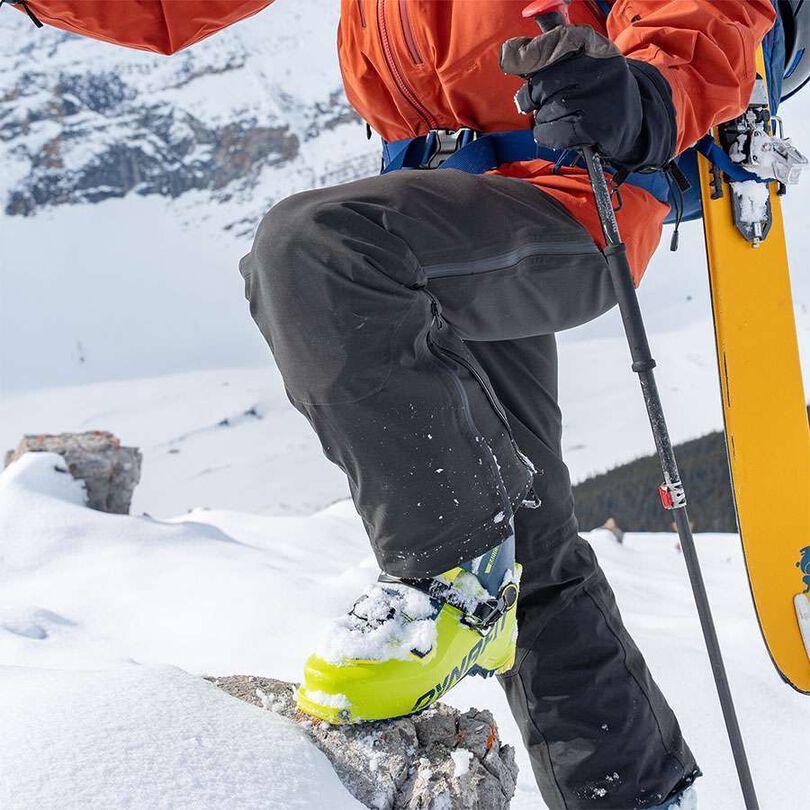
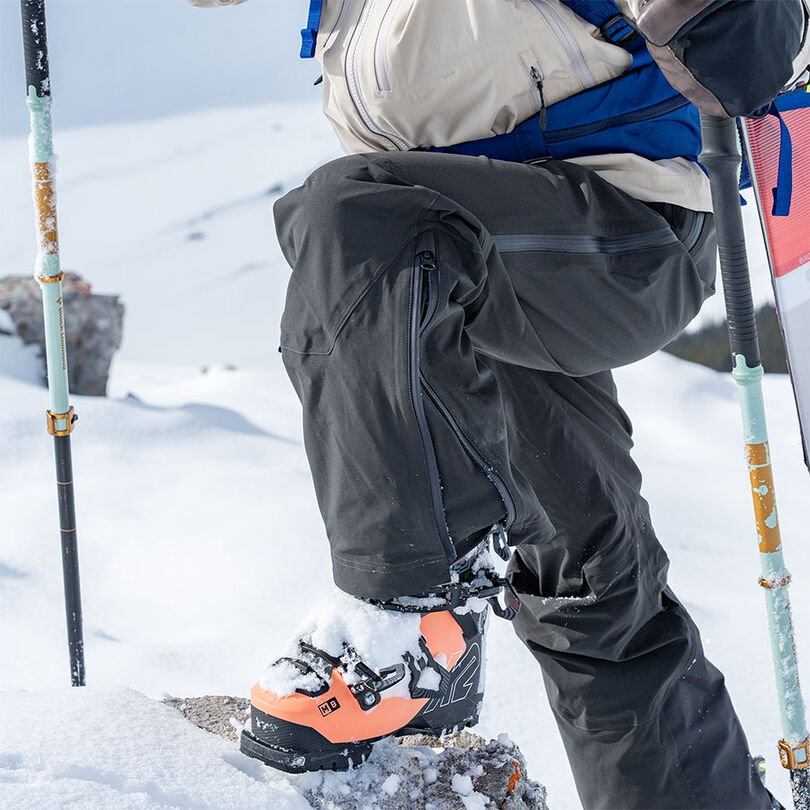
That extra room comes at a cost. Loose fabric can get in the way under a harness, beneath backpack straps, or wherever gear sits close to your body. We wanted a simpler, cleaner silhouette, and the only way to get there was a fabric that stretches on its own.
Vertical stretch mattered most. A backcountry skier bends their knees constantly, and ordinary shells don't stretch enough in that direction. To solve this, we had to go all the way back to the thread.

It all begins with one thread
The Snowline's fabric is built on a special nylon composite yarn developed by Toray. Each thread combines two different components, and that internal structure gives the yarn its natural stretch. The fabric made from it also holds up well to rubbing, so its appearance holds up, and it is durable enough for use in the snowy mountains.
However, that stretch is surprisingly easy to lose. Weaving puts the fabric under tension, and dyeing stretches it while applying heat. If either step is handled carelessly, the yarn's stretch is gone before the jacket is even cut. For that reason, specialist partner companies handle the spinning, weaving and dyeing, controlling every step with great precision.
Once the fabric has been woven and dyed, the next stage of its journey can begin.

Tech One: adding the waterproof shield
That next stage takes place at Tech One, a factory in Nomi, Ishikawa Prefecture. Tech One was founded in 1962 to print fabric for umbrellas. Around 2000 it moved into laminating films onto clothing fabric, and it has spent a quarter of a century perfecting that work.
Waterproofing is measured as water pressure resistance. A typical umbrella fabric rates about 500 mm, while the Snowline fabric rates 20,000 mm.
That protection comes from a three-layer design. In the middle is a porous membrane with tiny holes that let water vapor escape but stop liquid water from getting in. Water-repellent treatments on both the outer and inner faces of the fabric complete the system.
Tech One is said to be the only company in Japan that can supply this material consistently. The hardest part is bonding the membrane without destroying the stretch that everyone before them worked so carefully to protect. Tech One's long experience is what makes this possible, and every roll of fabric is carefully inspected after lamination.

A welcome surprise in the lining
The water-repellent treatment on the inner face was first added for one reason: to help the jacket stay breathable over years of use. Once the Snowline was tested in the mountains, it turned out to do even more.
On a long climb or skin track, the inside of any shell eventually gets damp with sweat. In many jackets, that moisture blocks breathability. In the Snowline, the treated lining keeps the fabric breathing even when it is wet inside, which makes the jacket noticeably more comfortable on real days out.

Built for real winter conditions
All of this work has a serious purpose. In the snow, every movement needs to be dependable, and wet clothing is more than uncomfortable: it can contribute to hypothermia. That is why the people behind the Snowline tested it again and again, so that it can be trusted when winter conditions turn harsh.
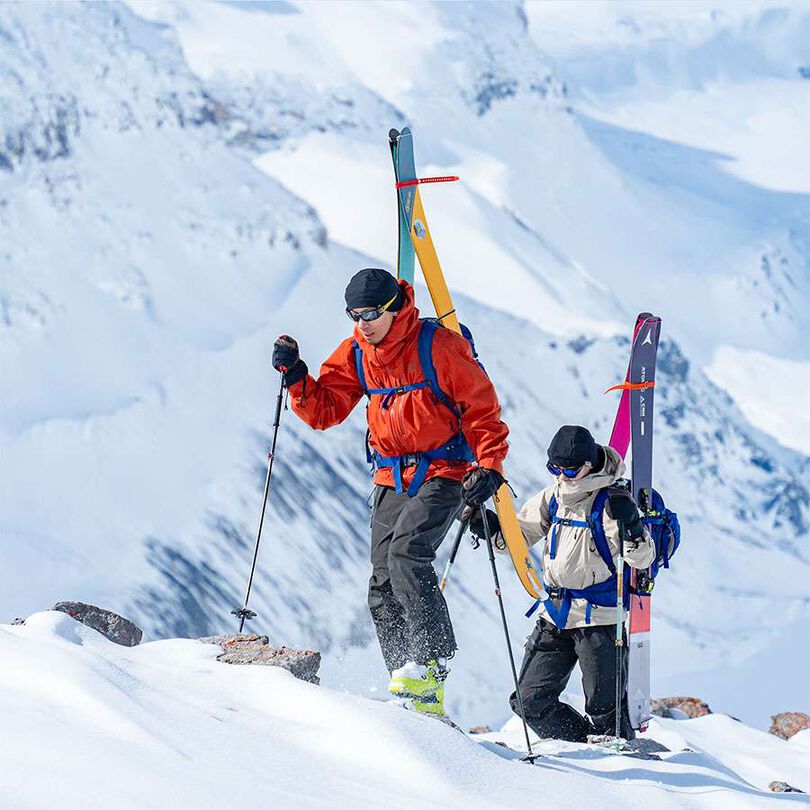
The finished jacket is made for people who don't stick to just one snow sport. You might be on a winter mountaineering route one weekend, skiing backcountry the next, and alpine climbing after that. With ripstop fabric, mechanical stretch and a cut designed around movement, the Snowline is ready for all of it.

Many hands, one jacket
From Toray's yarn engineers to the dyers, Tech One's laminators and our own designers, a long line of skilled people stands behind every Snowline. Each one protects what the person before them created, and then adds something of their own.
So the next time you zip up your shell at the trailhead, take a moment to remember the long journey, and the many hands, behind every thread.
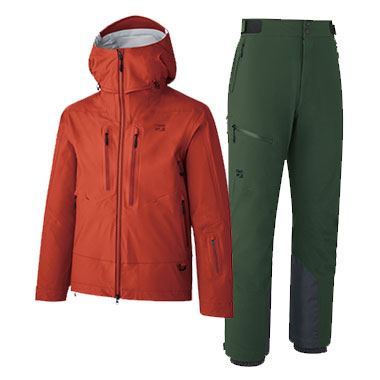
EXPLORE EVERBREATH SNOWLINE
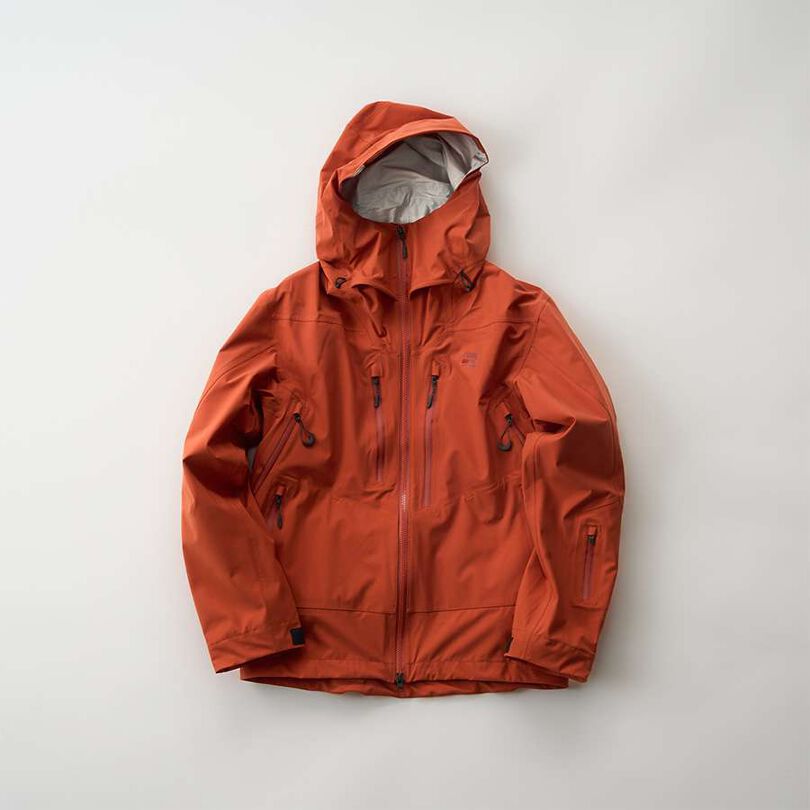
 New
 New
 New
 New
 New