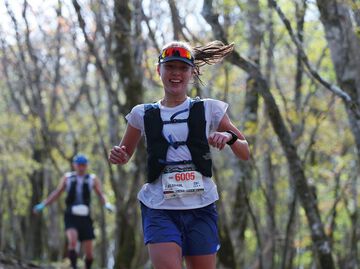
Hanah Fjelddahl didn't grow up as a runner. In fact, she used to tell her runner parents, "There's no way I'm ever going to run." A former professional ballet dancer who built her career in Europe, she stumbled across a skyrunning race in Zermatt in 2019, saw runners her own age charging up the mountain, and thought, "I want to try this too." A few years later, she was completing a 100-mile race, finishing 7th out of 152 women at ULTRA-TRAIL Mt. FUJI, and running the trails of Japan almost every week.
Trail running, as Hanah will tell you, is as much about the mountain experience as it is about speed. "Even during races, the moments I enjoy most are when I'm moving at my own pace, soaking in the mountain scenery, and chatting with other runners." But enjoying those moments requires feeling comfortable in your gear. And that starts with what you wear.

The Basics: A Trail Running Layering System
Trail running shares a lot with road running, but comes with a few more variables to prepare for. The terrain changes constantly, the elevation varies dramatically, and so does the weather. You work up a sweat on every climb, then hit exposed ridges where the wind picks up and the temperature drops. On longer races, you run through the night when temperatures fall even further. The right layering system needs to keep up with all of that.
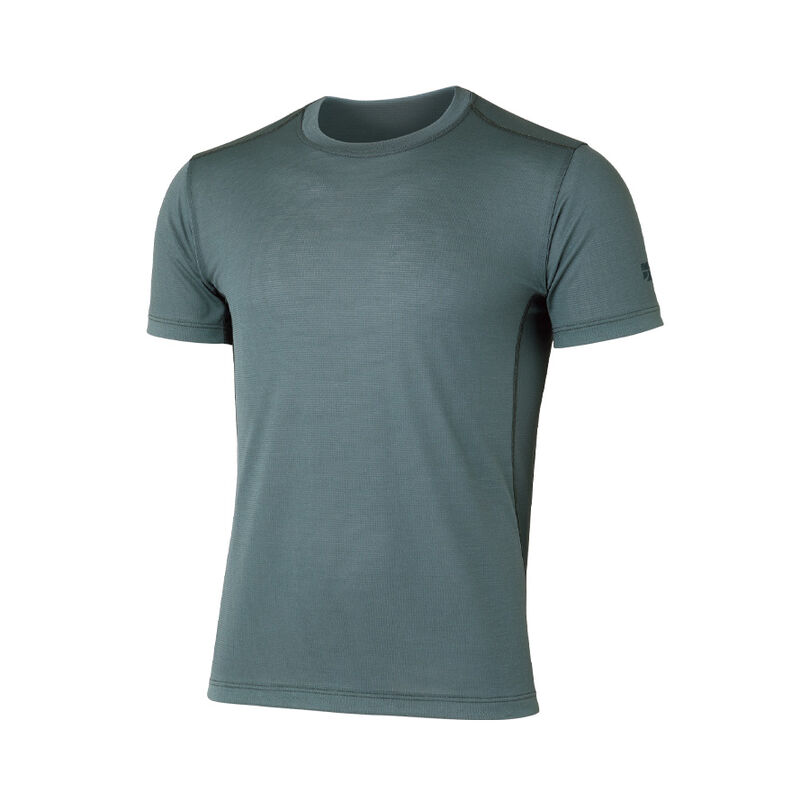
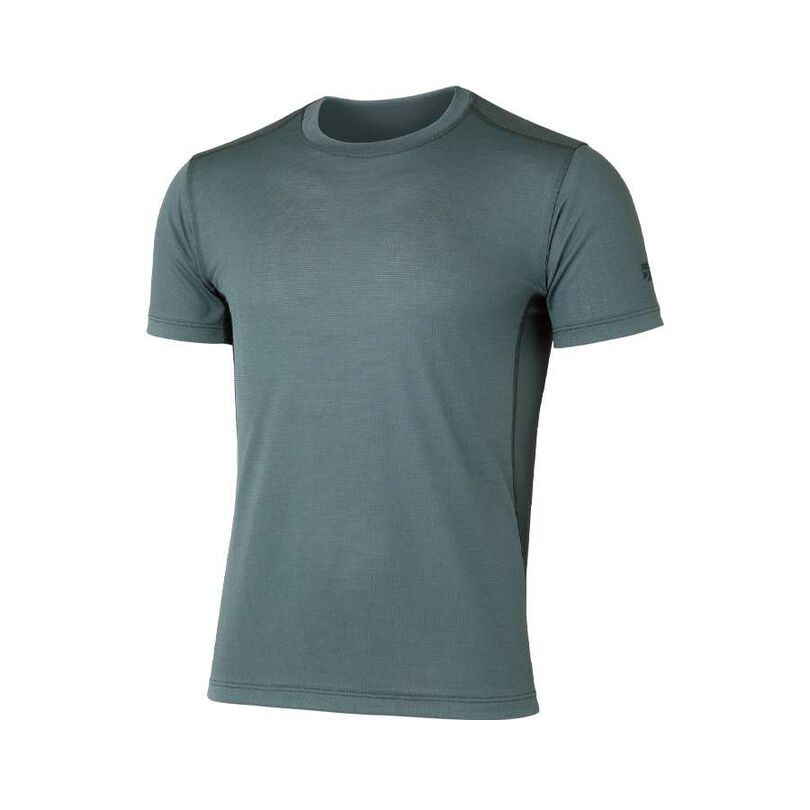
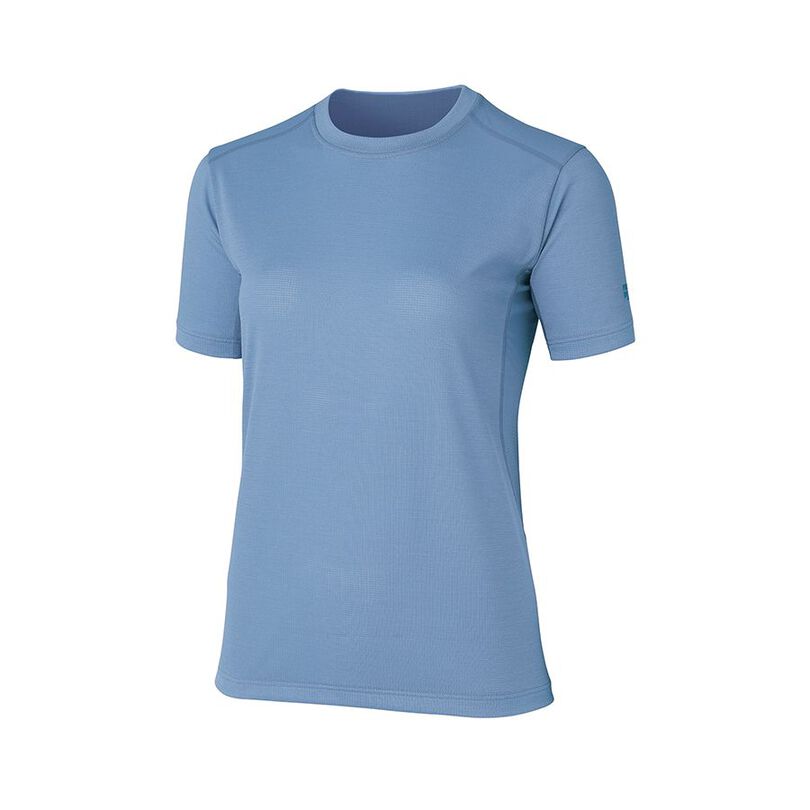
For most conditions, a simple two-layer system covers the essentials. Your base layer (running shirt) is your first line of defense against sweat. It should wick moisture away from your skin quickly, dry fast, and feel light enough that you forget you're wearing it. Over that, depending on conditions, you might add a lightweight wind or rain shell that can be packed away easily as temperatures shift. On shorter runs in warm conditions, the base layer alone is often enough. On longer runs, in the mountains, or in variable weather, that extra layer becomes essential.
Note: Any shirt that wicks and dries sweat is considered a base layer. A base layer doesn't have to mean a thermal layer for cold temperatures. Throughout this blog, we use "base layer" and "running shirt" interchangeably.

When Conditions Get More Demanding
Hanah's experience running races like ULTRA-TRAIL Mt. FUJI and BAMBI 100 taught her something important: the longer and more demanding the race, the more your body's ability to manage sweat and temperature becomes critical.
"By the second half, I was totally wrecked," she says of her 100-mile experience. In those conditions, the sweat management and comfort of what you wear directly affects how you feel and perform over many hours. Wet base layers that stay damp against your skin don't just feel uncomfortable. They become a source of chill at every rest stop, aid station, or exposed section of trail.
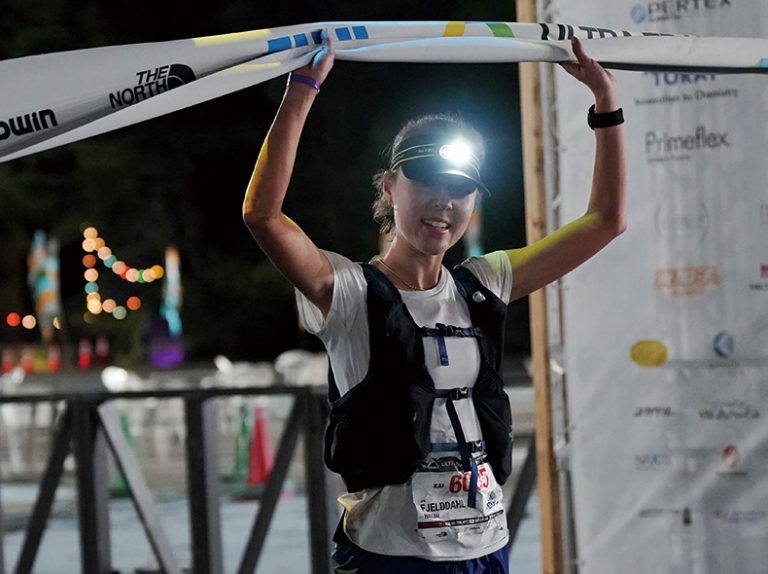
Adding the Elemental Layer: A Game Changer for Demanding Conditions
For runners who push into higher elevations, race through the night, or deal with fluctuating temperatures and sudden weather changes, adding an Elemental Layer beneath your base layer takes sweat management to a different level.
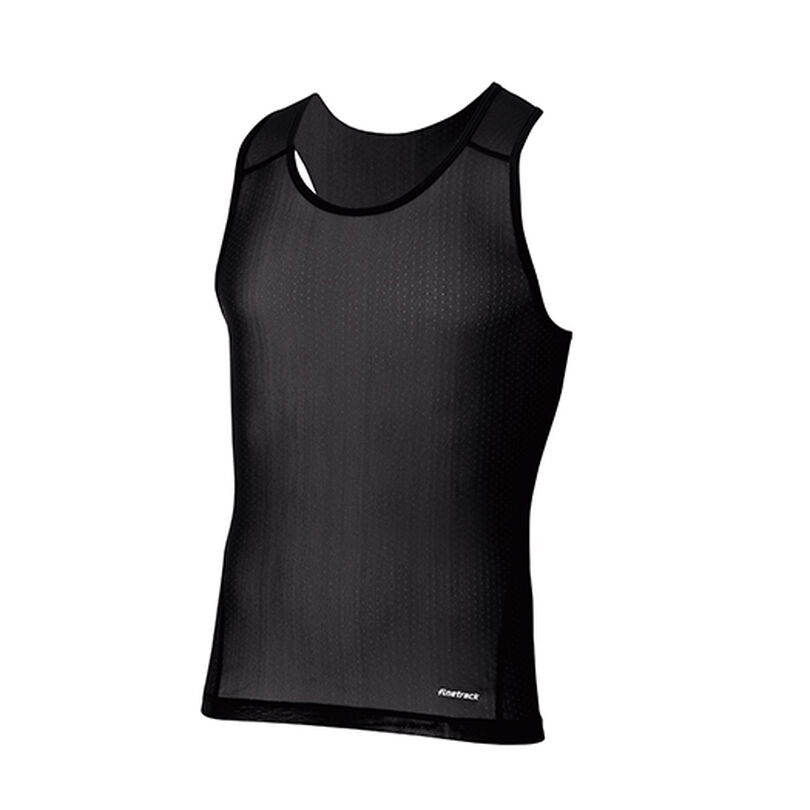
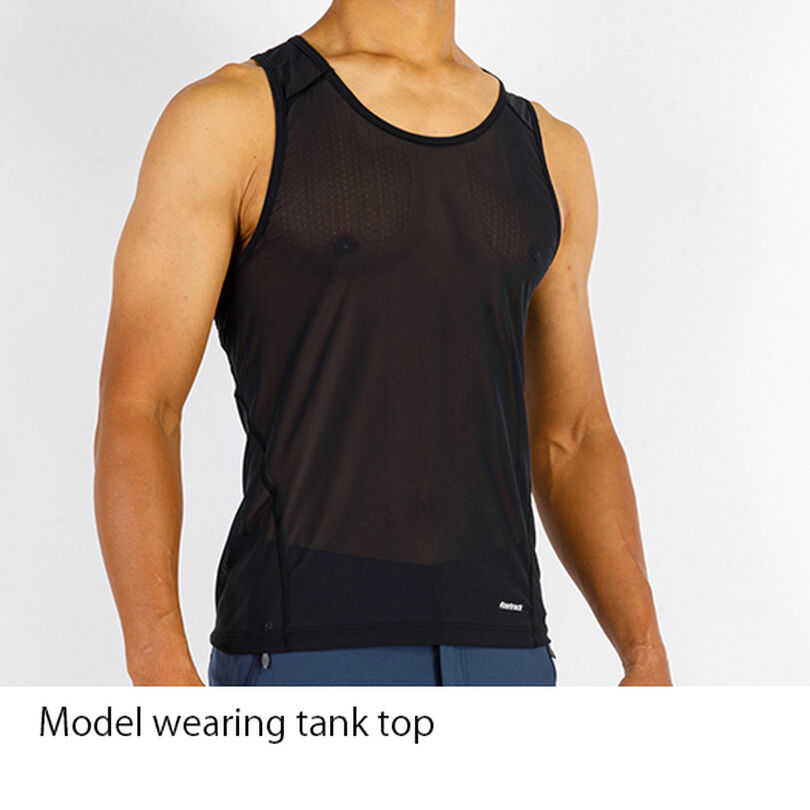
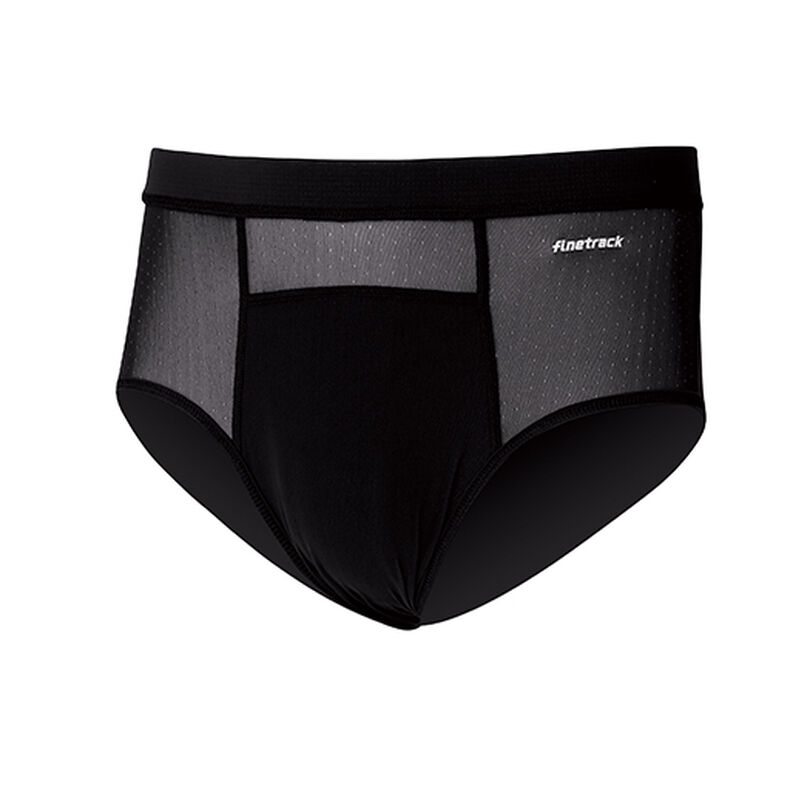
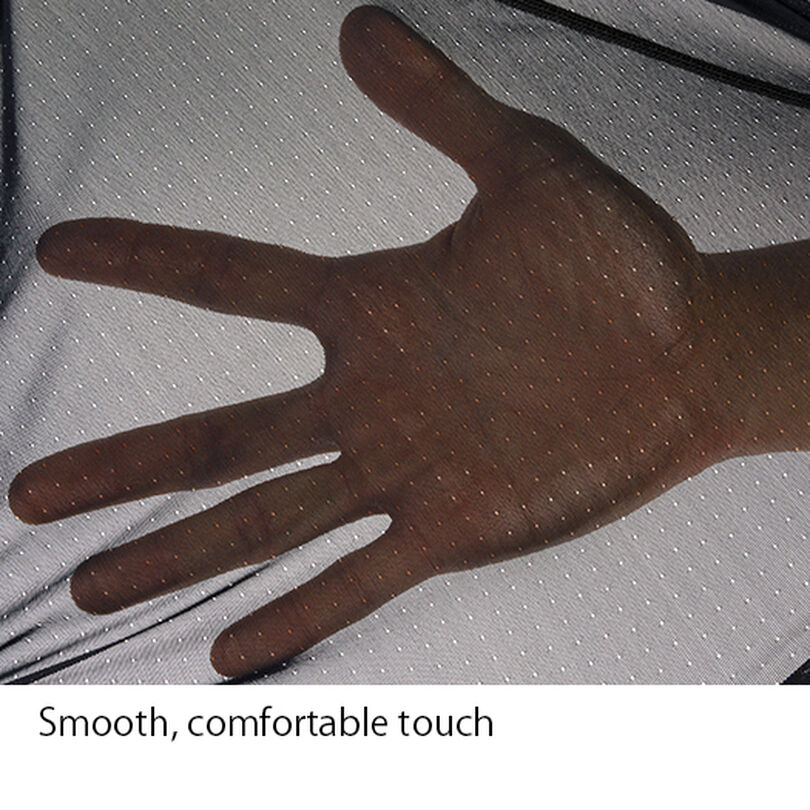
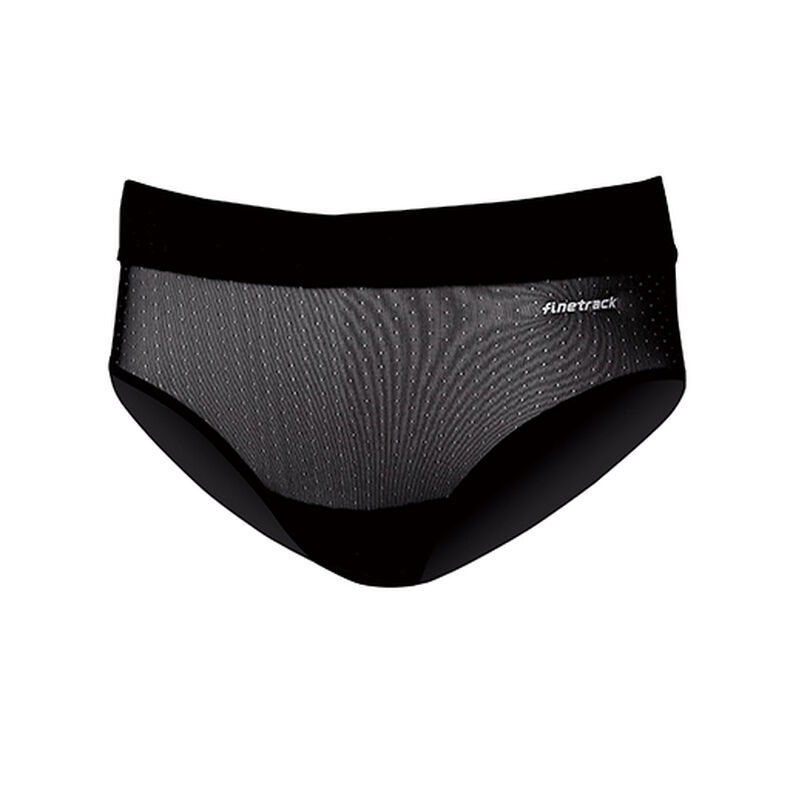
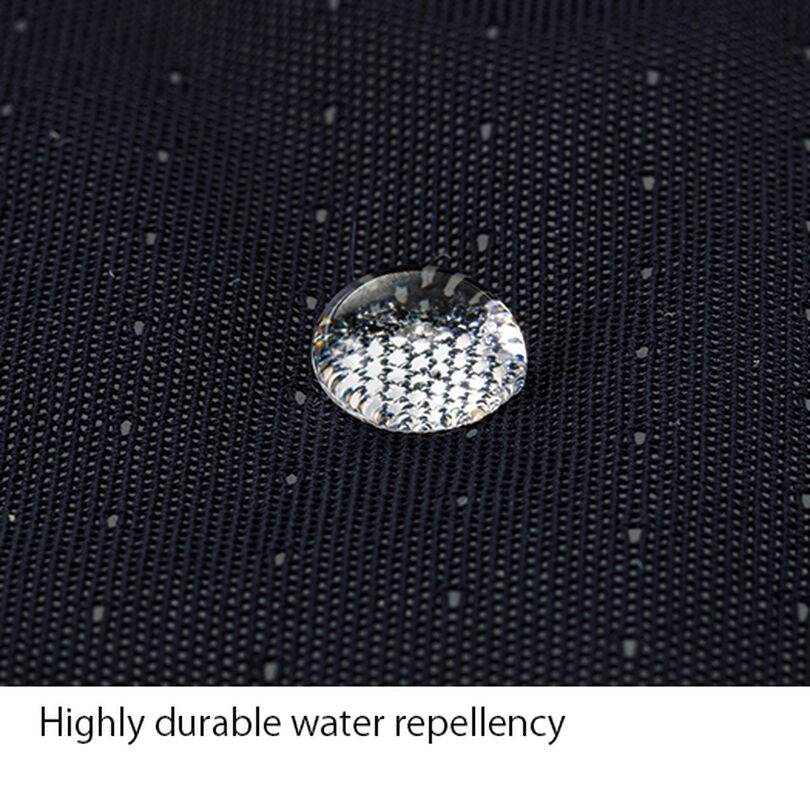
The Elemental Layer is a water-repellent mesh layer worn directly against your skin. Its job is to keep your skin dry by being a shield between your skin and the sweat-soaked base layer above. When a wet garment sticks directly to your skin, it draws heat away from your body as it dries, causing that familiar chill and draining precious energy in the process. By keeping your skin dry, the Elemental Layer reduces that heat loss, so when you stop running at an aid station or hit a cold exposed ridge, your body stays warmer and your energy stays where it belongs.
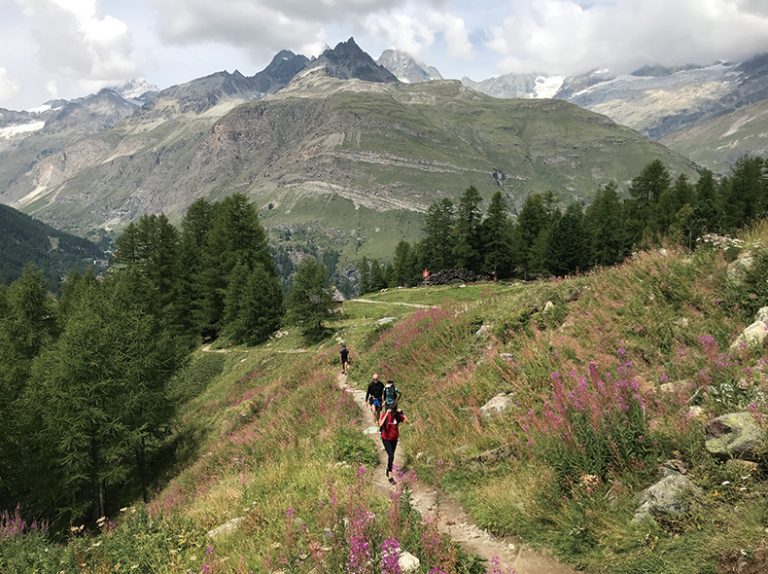
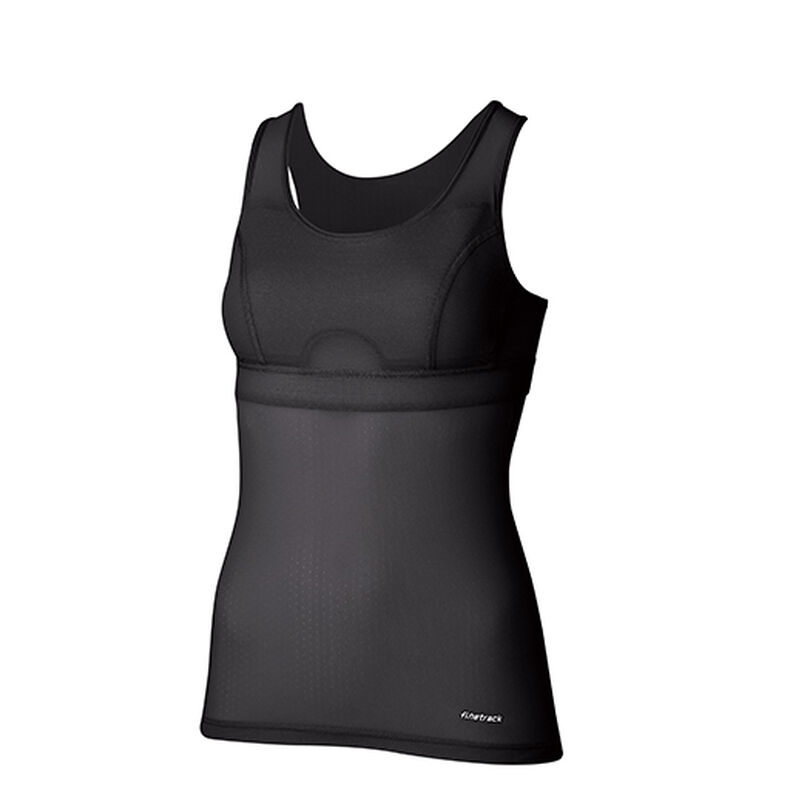
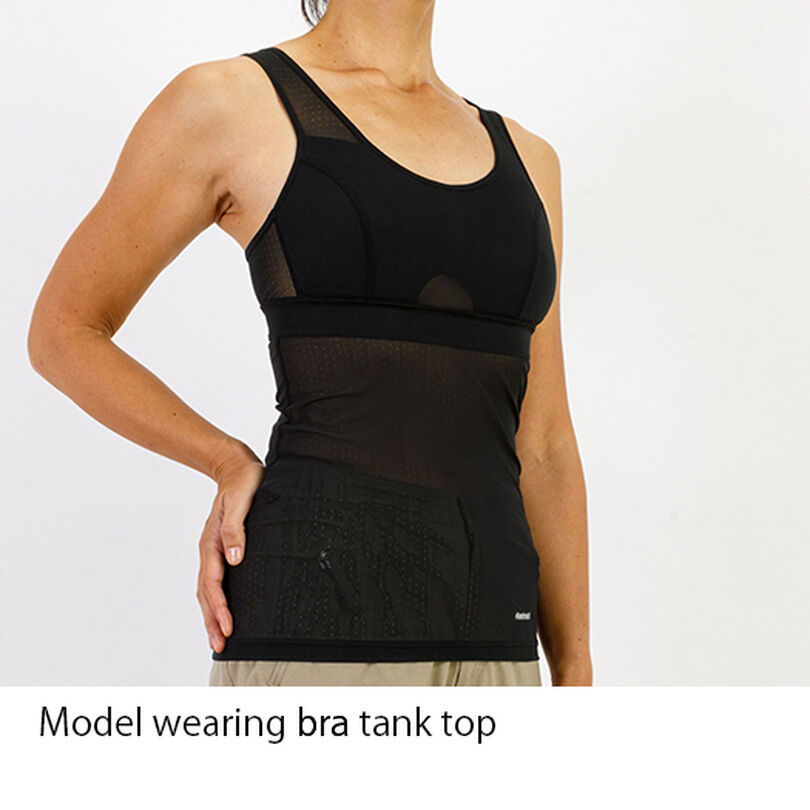
Hanah discovered this first hand during a family hiking trip in Zermatt, where her mother handed her an Elemental Layer shirt to wear under her sports bra. On the third day, she accidentally wore it in the wrong order. "The sweat chilled so quickly, and I got really cold around my chest. It was a totally different experience." That moment turned her into a self-described huge fan of the Elemental Layer. She now keeps six in rotation and wears them on the trails, at races, snowboarding, and even on her daily commute.
"Wearing the Elemental Layer improves everything: comfort, performance, and how much I enjoy the activity. It allows me to focus less on discomfort and more on the experience itself."
For trail runners who want to stay comfortable from the first climb to the last descent, and especially for those taking on longer, more demanding races in the mountains, the Elemental Layer is worth adding to your kit.
Explore Finetrack's Trail Running Layering:
TOPS
 New
New
 New
New
 New
New
 New
New
Bottoms
 New
New
 New
New
 New
New
 New
New
Others
 New
New
 New
New