
Why your base layer matters most
On a cold day, your base layer decides whether you stay comfortable or get chilled. Even the best jacket can't make up for a base layer soaked with sweat. Here's what to look for when choosing one.
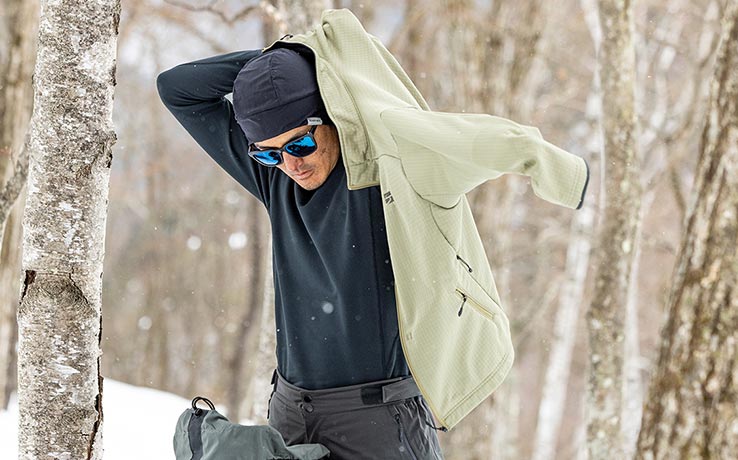
1. Moisture comes first, warmth second
A base layer's main job is to wick sweat off of your skin and dry. Wet fabric draws heat away far faster than dry fabric, so even a thick layer feels cold once it's damp, especially when you stop after a hard climb. Look for a fabric that wicks sweat well and dries quickly.
2. Choose the right material
The fiber matters more than anything else.
Merino wool: Soft, regulates body heat, resists smells, and stays warm when a little damp. On the downside, it's pricier, less durable and slow to dry. Best for long trips and steady effort.
Synthetics: Move sweat fast, dry quickly, and are tough and affordable. Some synthetic materials can hold smells, and fiber and knit quality vary a lot. Best for hard, sweaty efforts.
Wool-synthetic blends: A balance of both, though results vary with the mix. Best for all-round use.
Cotton: Cheap, but it absorbs sweat and stops insulating when wet. Not for winter activity.
Whatever you choose, skip cotton. It soaks up sweat and stops insulating once wet, which can be risky in the cold.
As a rule, merino or a blend suits easy-paced days, while synthetics handle hard, sweaty efforts better.
.jpg "Image without a name")
3. Thickness isn't the whole story
A thicker base layer isn't always a warmer one. What matters more is density, meaning how much fiber is packed into the fabric. That's why many brands list fabric weight in grams per square metre (g/m²). Besides density, the way the fabric is knit matters too: textured knits like grids or waffles trap air close to your body for warmth without extra bulk.
Denser fabric holds more warmth but takes longer to dry, while lighter fabric dries faster but holds less heat. If your base layer can't dry as fast as you sweat, it stays damp, and you'll feel cold the moment you stop. So the key is to choose the right density for how much you sweat.
.jpg "Image without a name")
4. Get the fit and details right
Fit close to the body. Fabric can only move sweat it touches, so choose a snug fit that still lets you move freely.
Check the seams. Flat seams rub less under pack straps or a harness.
Make sure it stays put. A longer hem or underarm gussets stop the top riding up when you reach.
Zip-neck or crew? A zip lets you vent heat on the climb, while a crew neck is simpler. It comes down to preference.
Think about comfort and care. If wool bothers your skin, look for ultra-fine or wool-free fabrics, and check the care label before you buy.
Quick checklist before you buy
- Activity: Will you be working hard and sweating, or moving slowly?
- Conditions: How cold will it be, and do you run hot or cold?
- Material: Does it wick and dry fast enough? No cotton.
- Weight and knit: Warm enough for the stops, light enough for the climb?
- Fit and details: Snug, stays in place, flat seams, comfortable on your skin.

The bottom line
The best winter base layer isn't the thickest one. It's the one that keeps you dry for the way you actually move. Start with your activity, choose a fiber and weight that handle your sweat, and then fine-tune the fit and details.
One option for high-output winter days: Finetrack Drought Thermo
The toughest test for any base layer is a long, sweaty climb followed by a cold stop. Finetrack's Drought Thermo, the warmest base layer in our lineup, was designed for exactly that.
- Material: A wool-free blend of cupra, a moisture-regulating fiber, and polyester that stays hydrophilic. No itch, and less static.
- Moisture and drying: A brushed inner face pulls sweat off the skin, and the fabric dries fast and resists odor.
- Warmth: A three-dimensional knit traps air without extra bulk.
- Fit and details: A close fit that moves with you, flat seams, underarm gussets, and a zip-neck top with a hidden chest pocket. Clean enough to wear on its own.
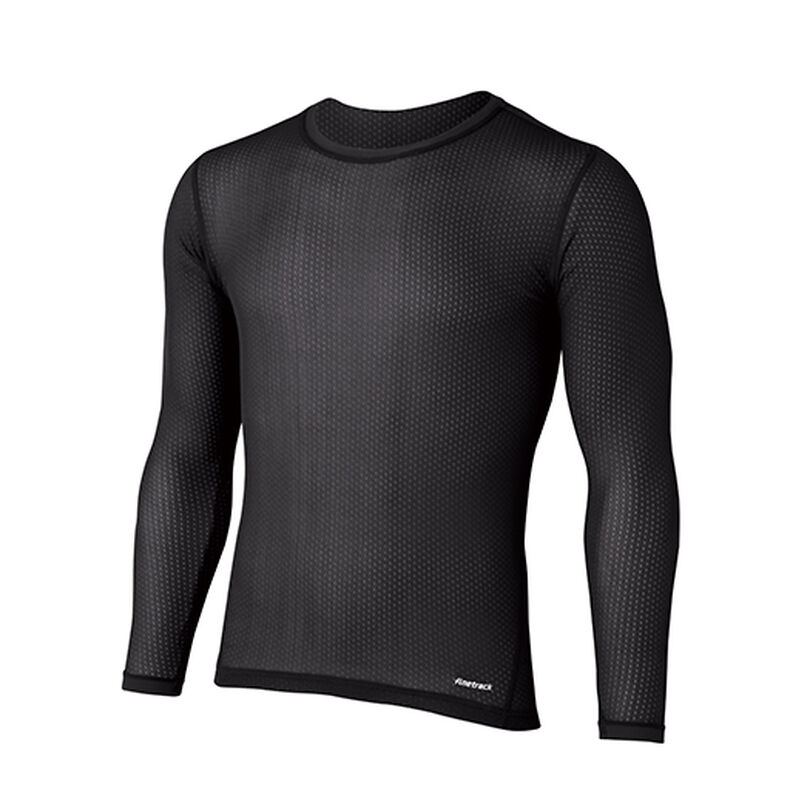
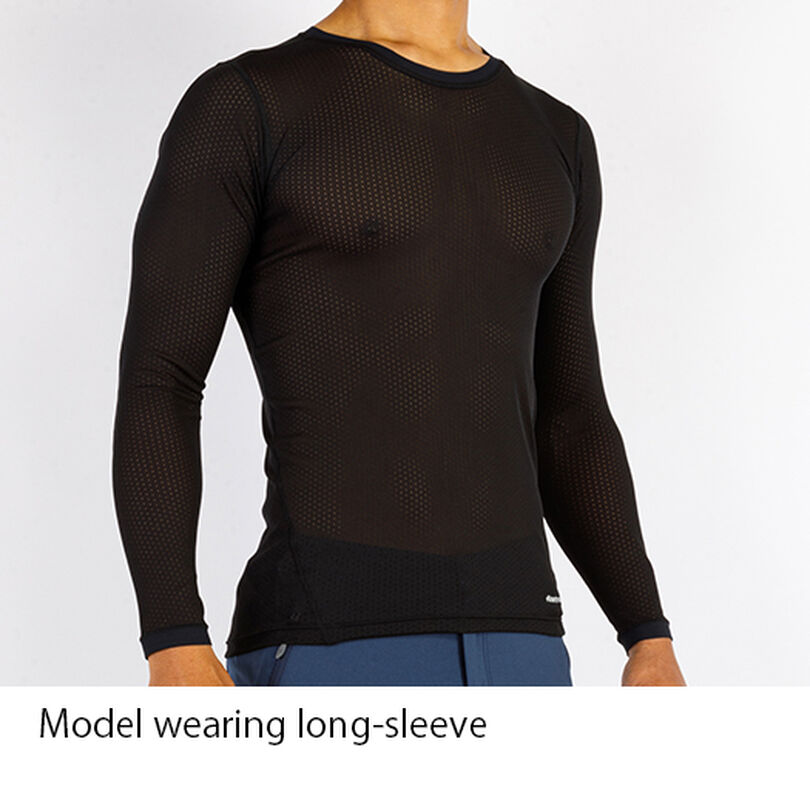
It's built for winter mountain days, from forest ascents to alpine routes. For the driest setup, we suggest wearing our thin Elemental Layer underneath, against the skin.
If you mostly stand around in the cold, a heavier layer may suit you better. But if you work hard in winter and want to stay dry when you stop, it's worth a look.
Explore Finetrack Drought Thermo Series

 New

 New

 New

 New
Also, combine L1 Elemental Layer Under your Base Layer
 New

 New

 New

 New