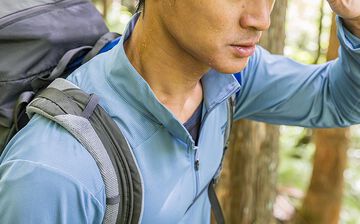
A hiking shirt is a simple piece of clothing, but it's the foundation of your layering system, and probably the single most important piece in determining your experience in the backcountry. We make hiking shirts, and we try to make them the best they can possibly be. But at some point, every hiking shirt reaches its limit. We believe in being upfront about that, and share our approach to fill the gap when it does.
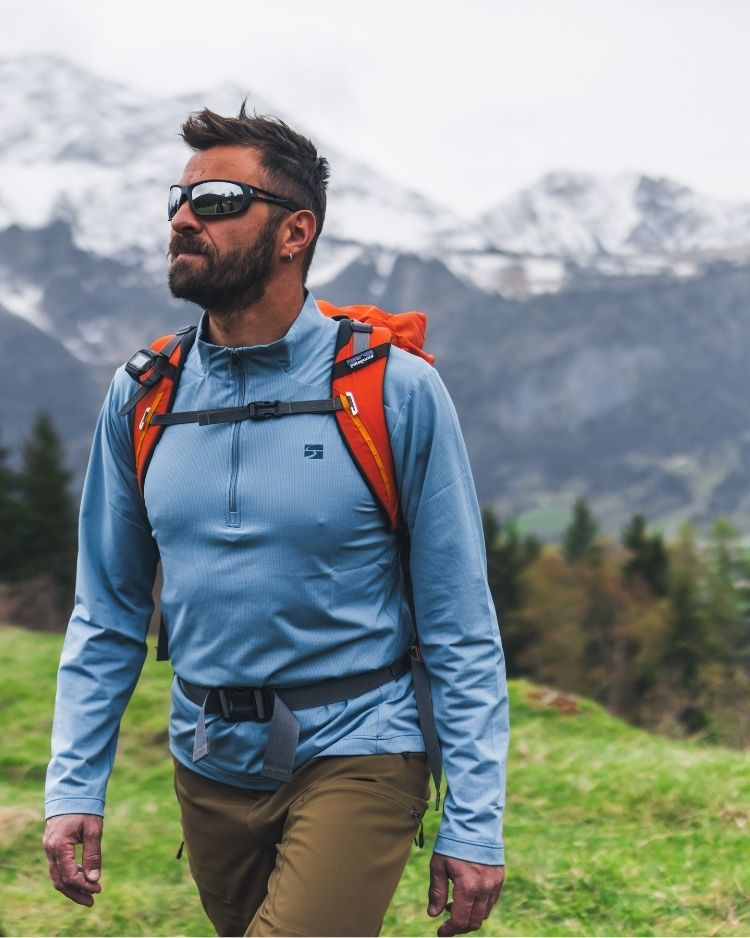
Where Hiking Shirts Hit Their Limit
Your hiking shirt is the layer touching your skin, technically known as a "base layer," and its primary job is to wick sweat off your skin and dry it fast to keep you comfortable. But there's more to getting this right than wicking and drying fast. Let's go over some of the problems hikers actually deal with, and how we approach solving them.
The Cold-Clammy Crash
"Warm on the climb. Cold on the descent."
Sweat during exertion, then feel a sudden chill once you come to rest or when sleeping at night. This is the most common challenge hikers face. It's more evident with the temperature drop that comes with elevation gain (every 1,000m climb means about a 6.5°C drop in temperature), after sunset, with sudden wind, or a change in weather. Here's a more detailed explanation of what's happening:

Slow Dry Time and Saturation Point
Wicking works through capillary action. Sweat needs a path to travel and enough surface area to evaporate. The combination of fabric material and construction design determines this wicking and drying speed. On a single hike, you can sweat more than 2L, and when you sweat faster than the fabric can move and release that moisture, it saturates, and heavier or tightly-woven fabrics only make this worse, staying wet longer right when you need dryness most. At that point, no fabric, however well-engineered, can keep up. We design our fabric construction specifically to make point-touch wicking contacts for capillary action, and on the surface side, it's designed to spread moisture to maximize the evaporation surface.

The Fit Trade-Off
Wicking needs skin contact. A loose fit creates air gaps, which some people prefer for airflow, but it also stalls moisture transport. Our approach is to design shirts that fit close to the body, to keep that contact consistent, and let the shirt do its job.
.jpg?sw=768 "Image without a name")
Odor Buildup Over Multiple Days
"Day 2 smells different than Day 1"
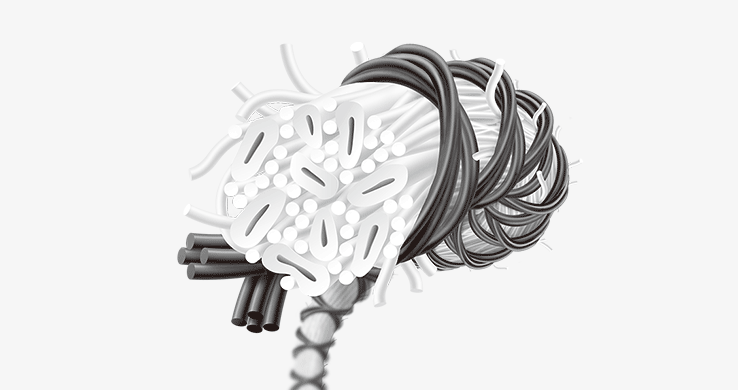
On multi-day trips, there's no laundry day, so whatever your hiking shirt can't manage on day 1 compounds by day 3. We approach this from two directions. Our approach starts at the yarn level, developing original hybrid yarns that combine the comfort of natural fibers like merino wool and ramie, or semi-synthetic fibers like triacetate, with synthetics like polyester and nylon. And for both types of fabrics, we apply an anti-bacterial, anti-odor finish that suppresses the growth of the bacteria responsible for sweat odor in the first place.
Durability Under Load
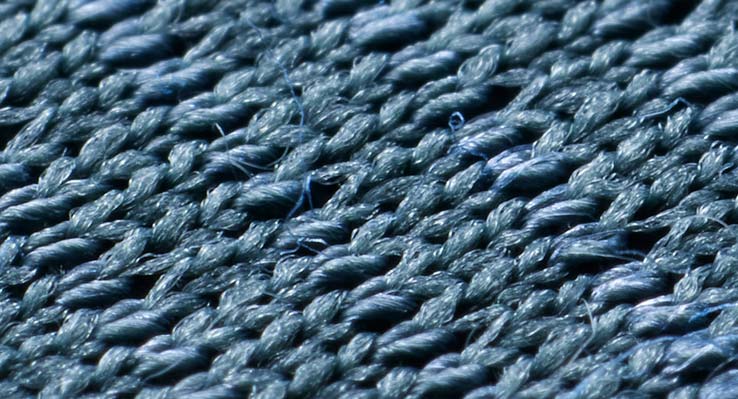
The lightest, most breathable natural fiber knits are also the most fragile. Long days under a loaded pack, or friction against rock or trees, can wear through them faster. Our approach is to knit the fibers densely, creating a fabric surface that resists snagging, which increases overall strength and durability.
.jpg)
The Honest Take
"We build our hiking shirts to solve as much of this as fabric can."
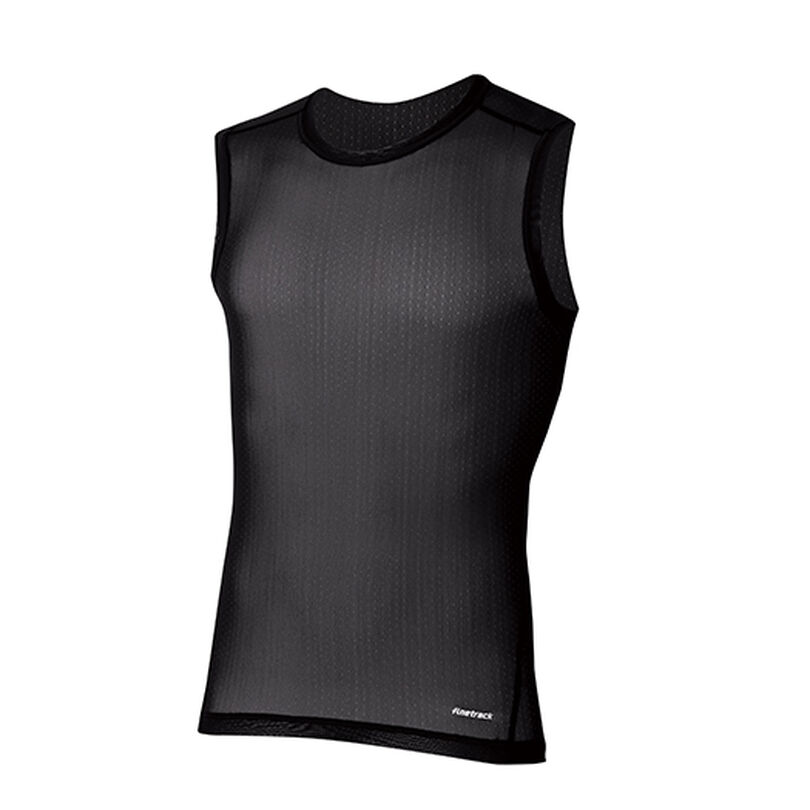
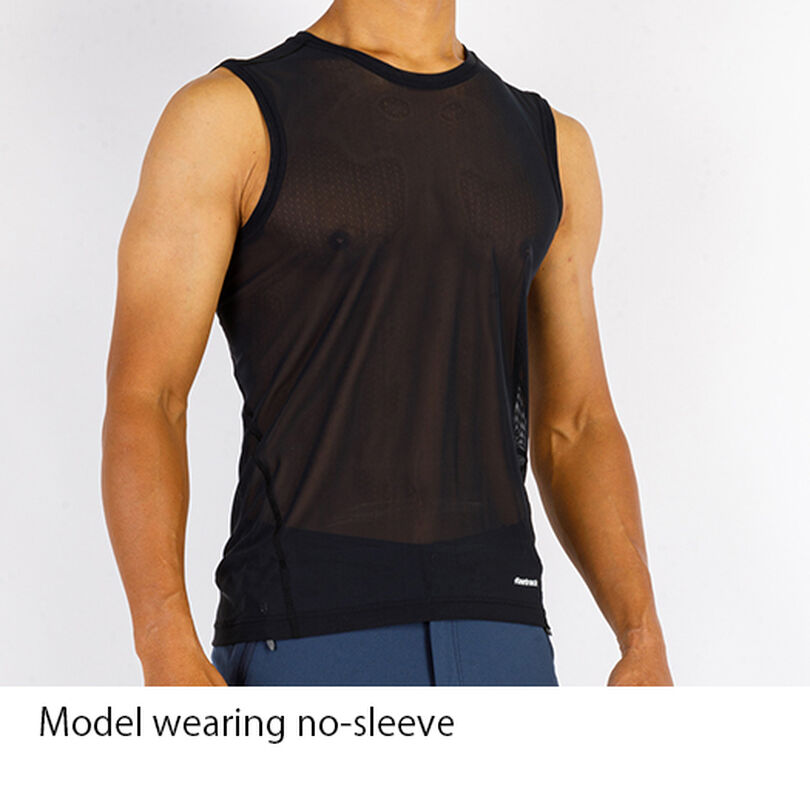
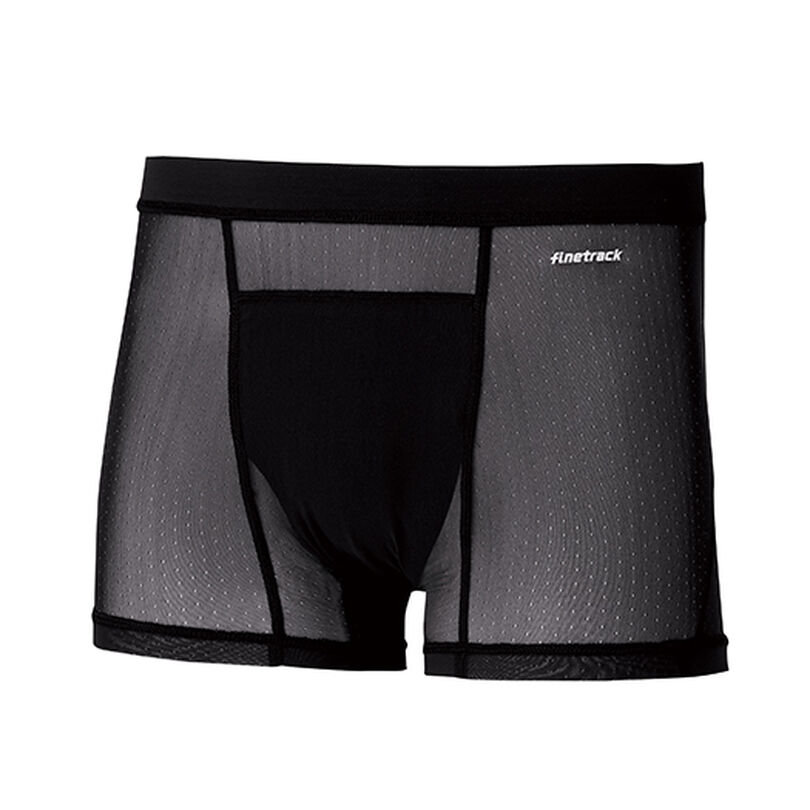
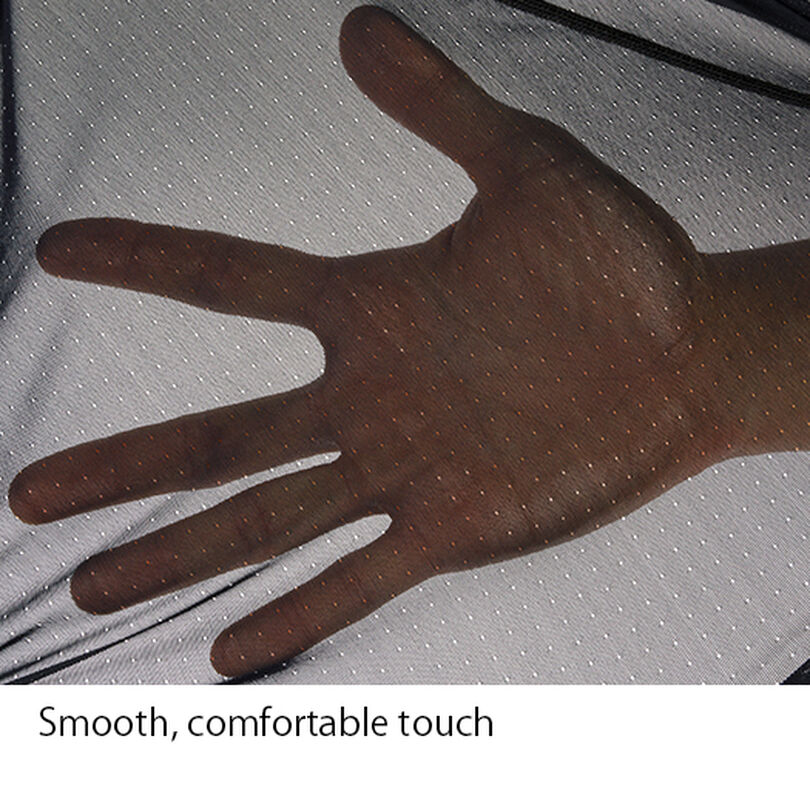
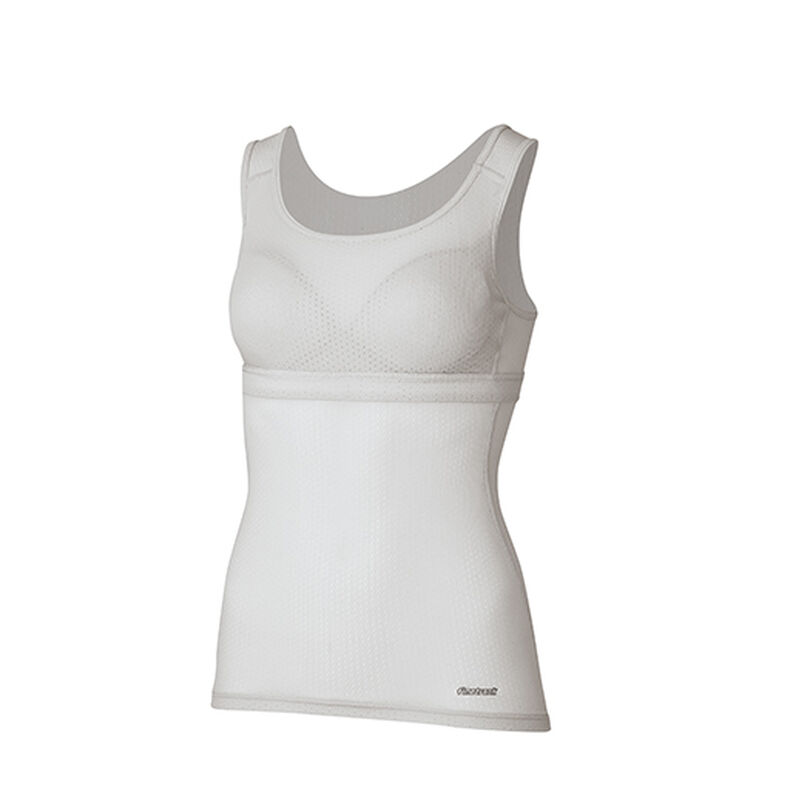
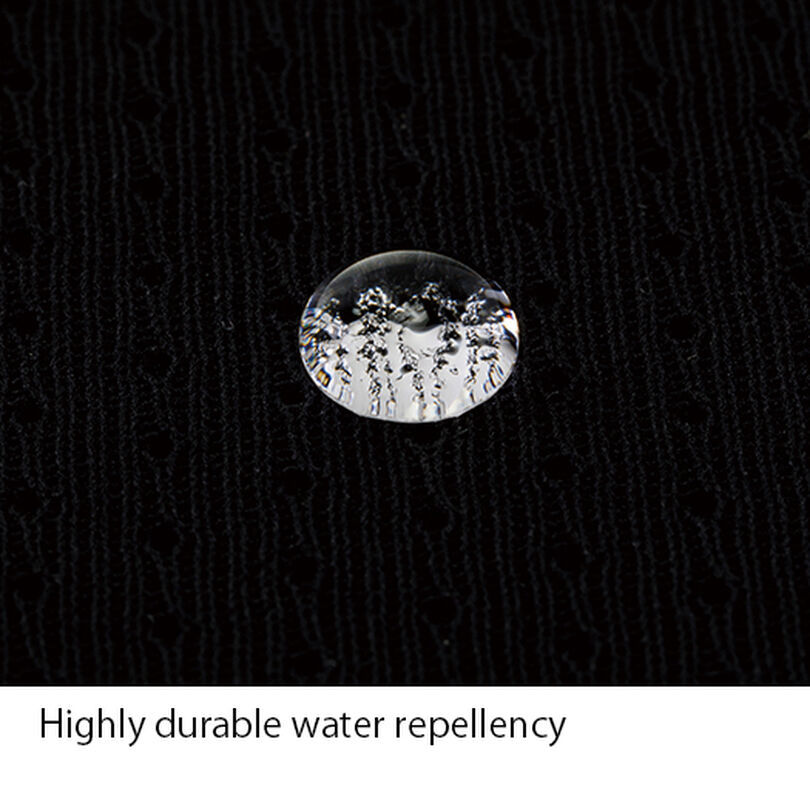
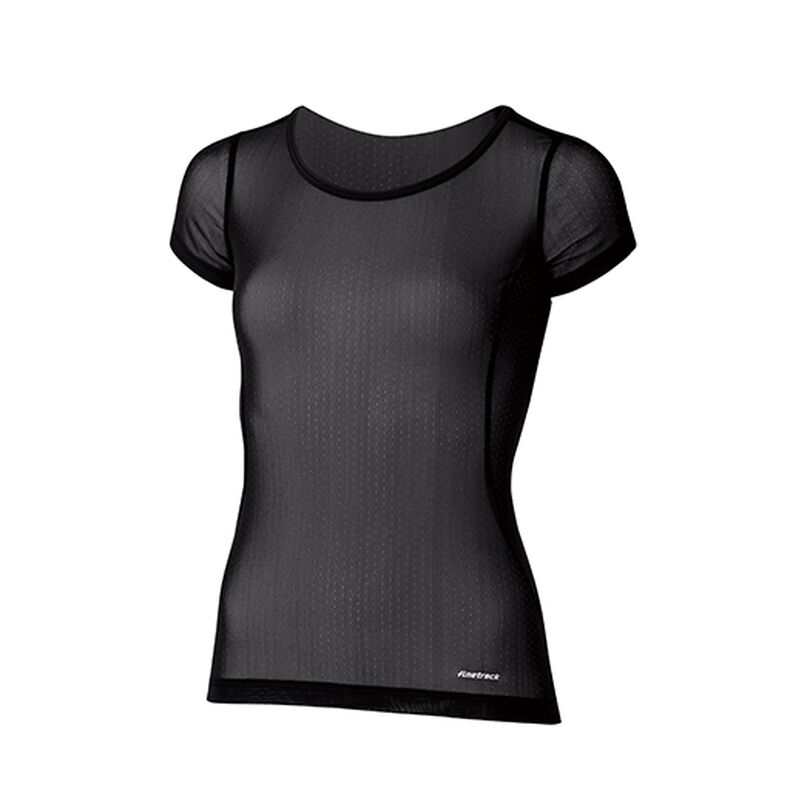
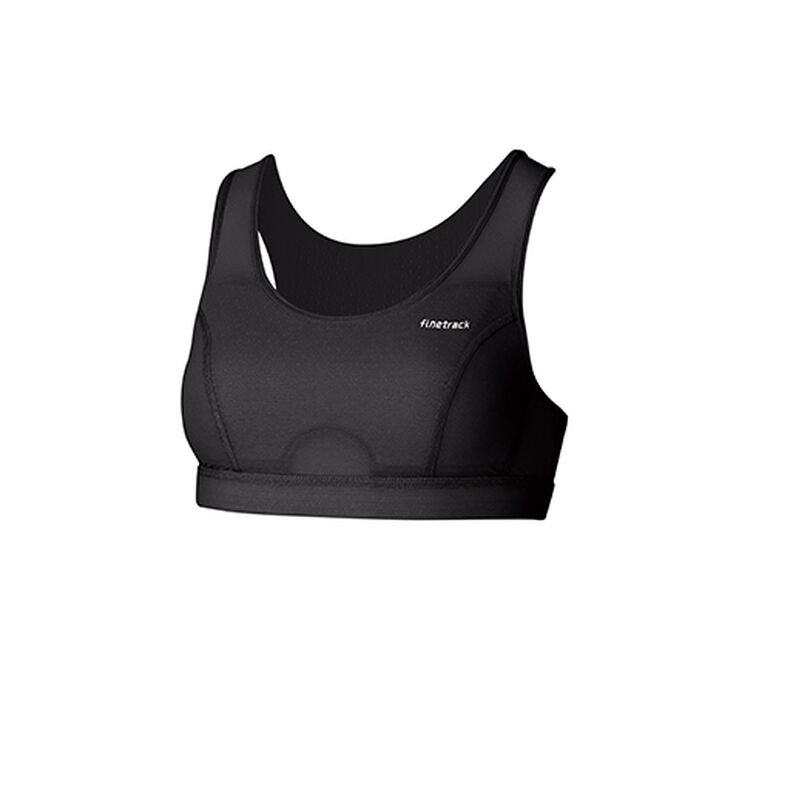
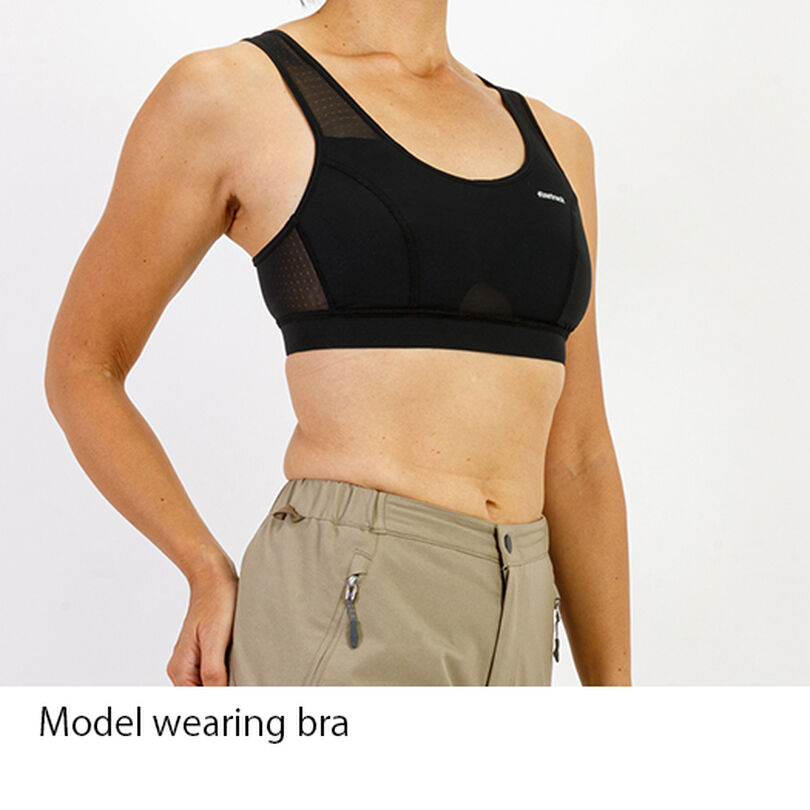
Yarn and fabric development, for wick and dry speed, lightness, durability, and comfort, are things we obsess over. Our shirts are engineered to spread and release moisture faster than most. Unless it's a dry, sunny day out in direct sun, most base layers can take up to 70 minutes to fully dry, and in that window, saturation and cold-clammy chills can still catch up with you. There's a ceiling to what any single layer of fabric can do. That's why we also make a water-repellent, next-to-skin layer called Elemental Layer, not a replacement for your hiking shirt, but the piece that picks up where fabric hits its limit.


The Two-Part System, Working as a Backup
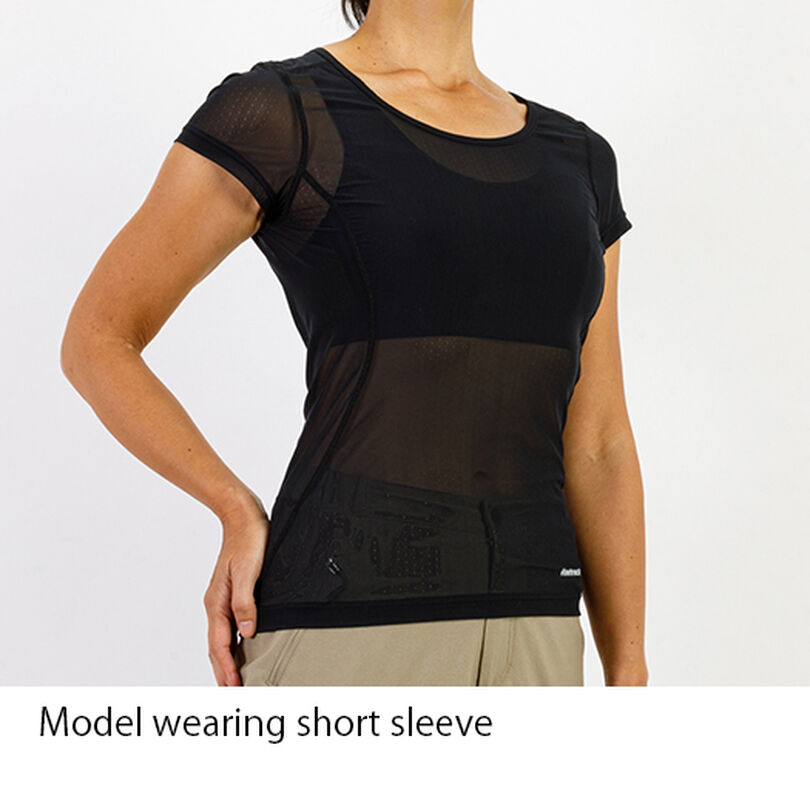
Your hiking shirt handles wicking and dry speed at the fabric level. But when drying speed can't keep up fast enough, the water-repellent Elemental Layer sits underneath the base layer and works as a shield between your skin and a wet base layer, addressing the cold-clammy crash. The result is a layering system where each piece works together to wick and dry sweat as fast as it can, while keeping your skin dry at all times.
This is where it matters most: high alpine temperature swings, sudden wind on the ridge, multi-day trails where the difference between day and night temperature is significant, and coastal trails where sudden rain is always a possibility. These are the conditions where even the best base layers sometimes have trouble keeping up with quick drying, and where having both pieces working together makes the difference.
.jpg "Image without a name")
Keeping your skin dry keeps you safe on the mountain
Explore our L1 Elemental layer and L2 Base layers
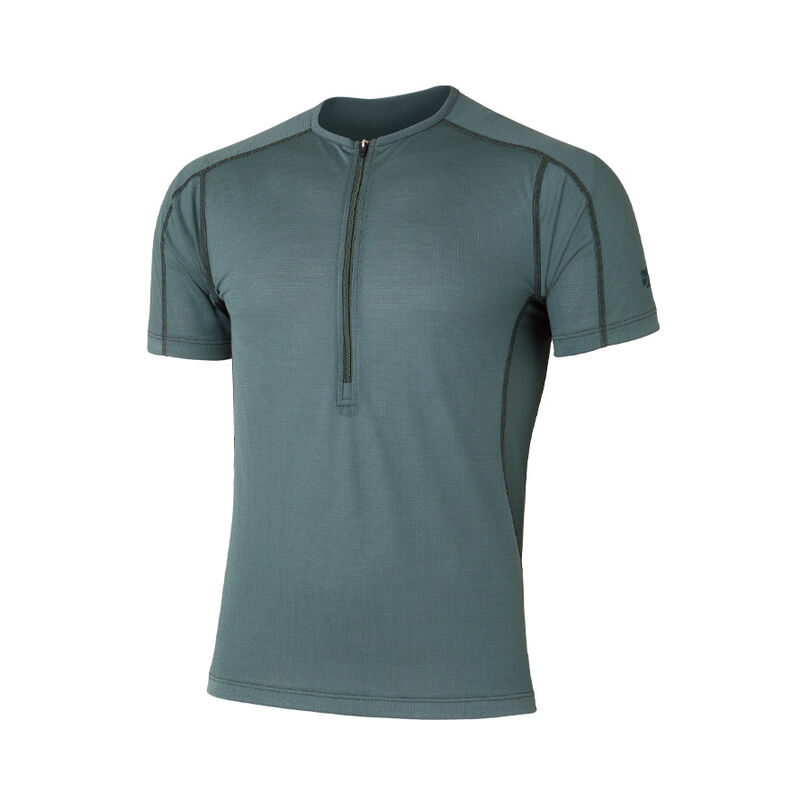
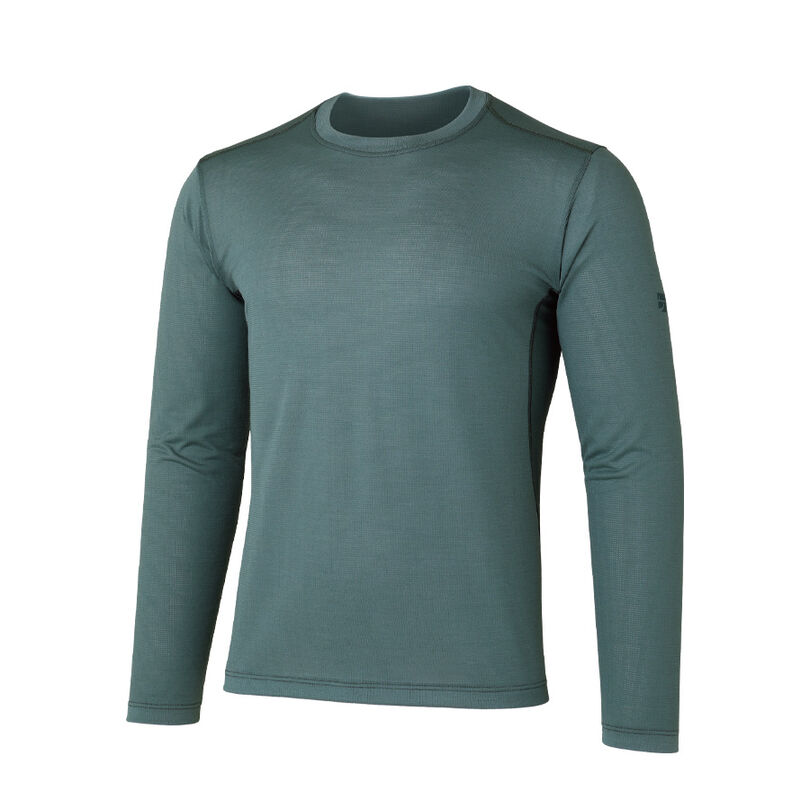
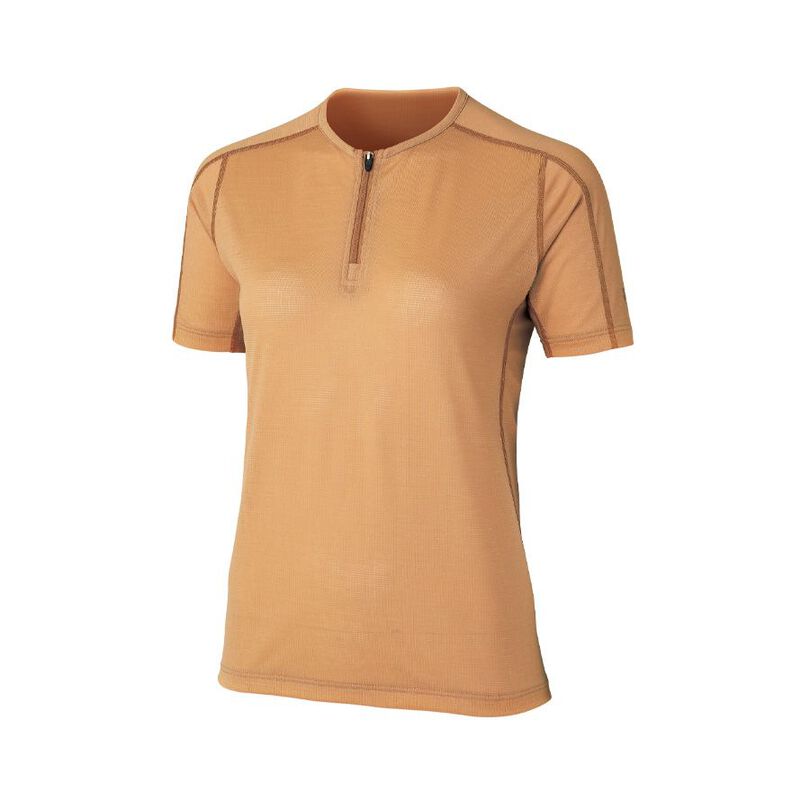
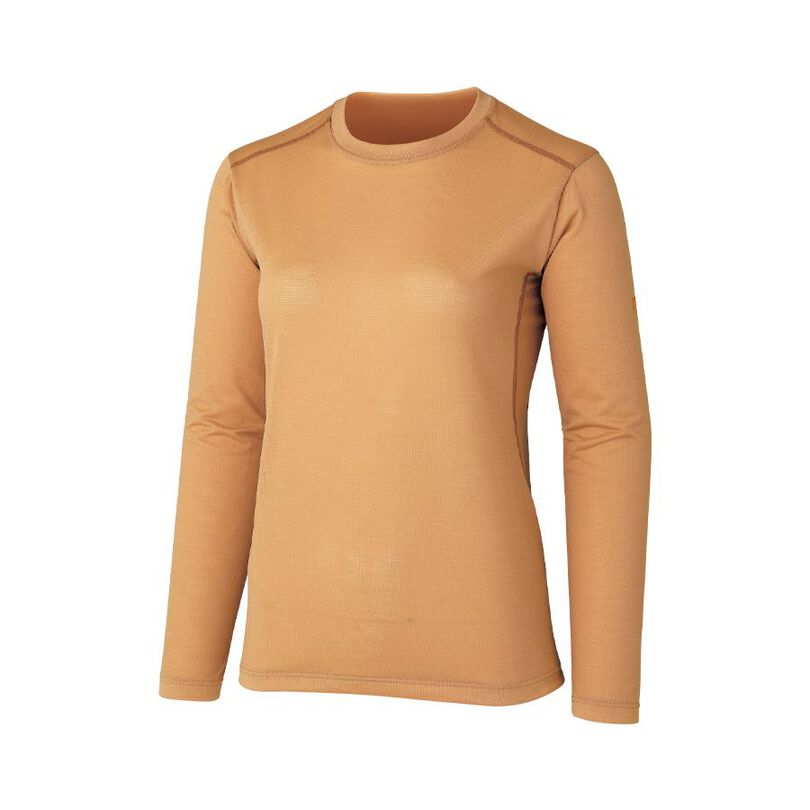
L2 Base Layer: Ramie Spin series
 New
New
 New
New
 New
New
 New
New
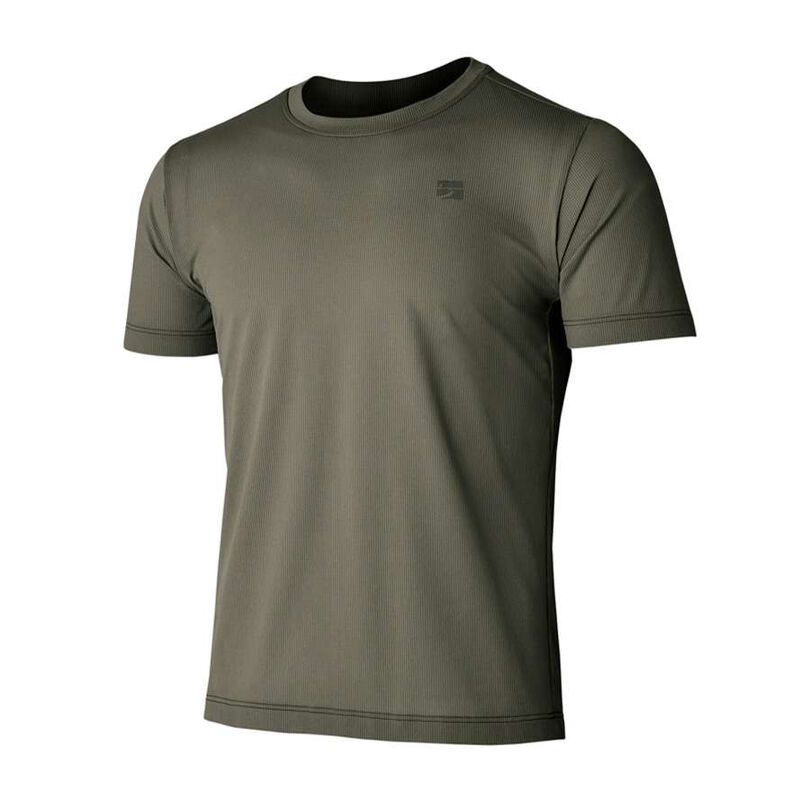
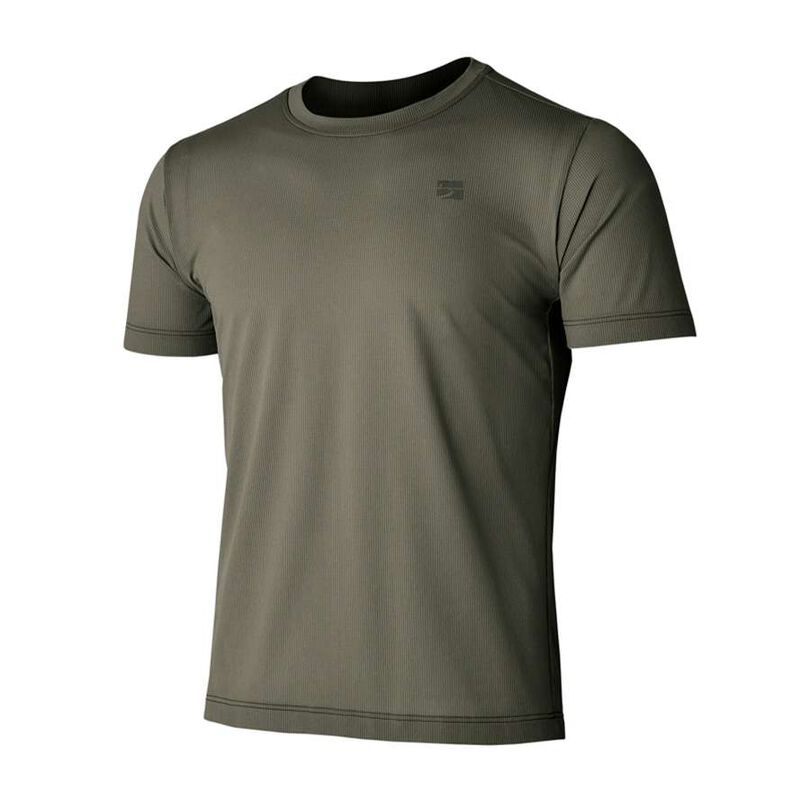
L2 Base Layer: Drought Quad series
 New
New
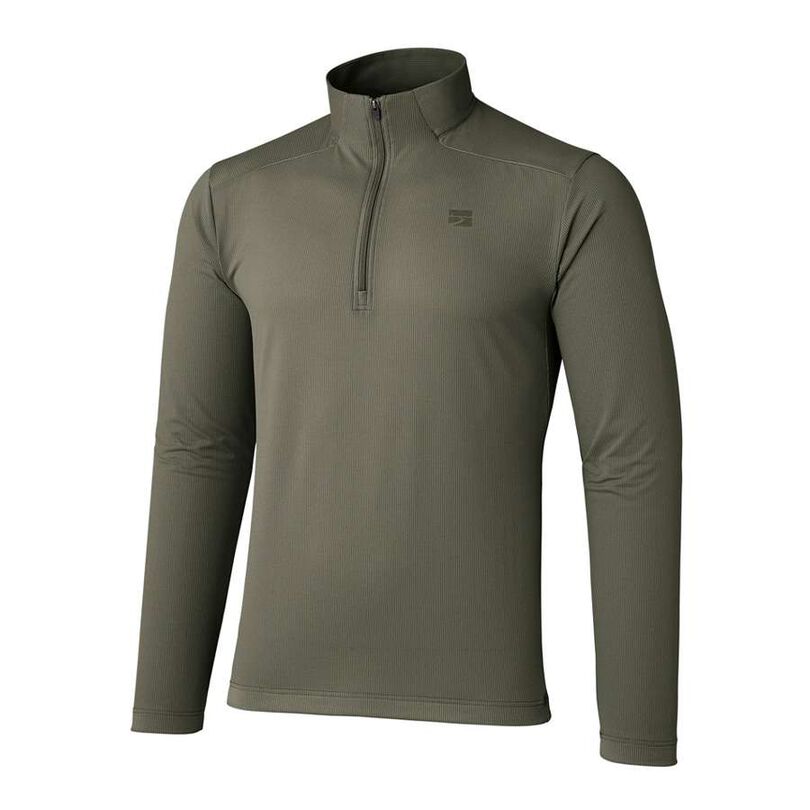
.jpg?sw=810 "Men's Drought Quad Zip T Long Sleeve,") New
New
 New
New
.jpg?sw=810 "Women's Drought Quad Zip T Long Sleeve,") New
New
L1 Elemental Layer Series
.jpg?sw=810 "FUM0422_sub-(1).jpg") New
New
 New
New
 New
New
 New
New
 New
New
 New
New