Why Toes Get Cold, and how layering system can solve the problem
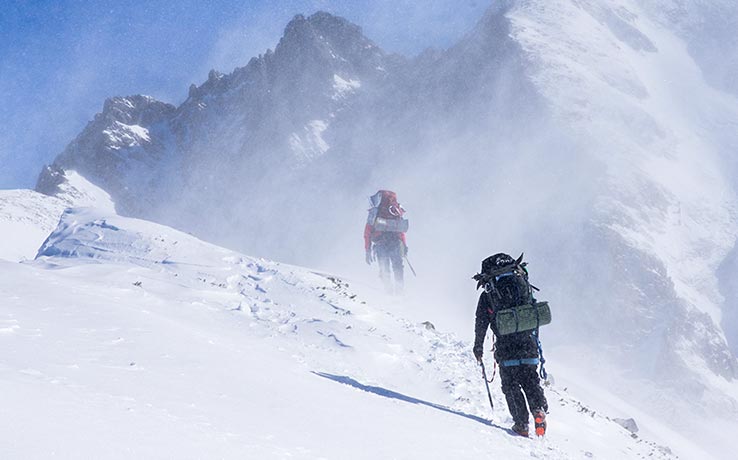
Cold toes are among the most common winter challenges. It affects beginners and experienced mountaineers alike, and there is no single solution that works for everyone.
You may recognize the feeling. Your body feels warm, yet your toes are painfully cold. Movement becomes awkward, rest uncomfortable, and when cold turns into numbness or pain, the risk of frostbite increases. Cold toes are not something you can simply push through.
Cold from the ground and boots
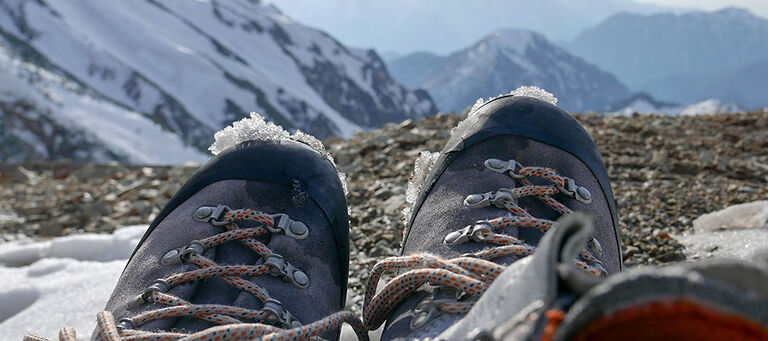
Winter terrain steadily draws heat away through frozen ground, shaded trails, deep snow, and cold air. Even well-insulated boots lose warmth over time as cold transfers through the sole and outer shell. Plastic ski boots are no exception.
Too much compression inside the boot
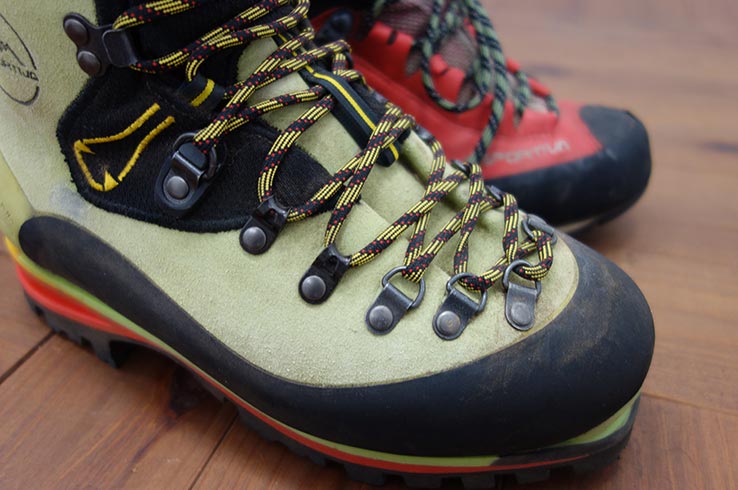
Layering socks can help, but too much bulk or overly tight lacing restricts blood flow. Reduced circulation means less warmth reaches your toes, often making them colder instead of warmer.
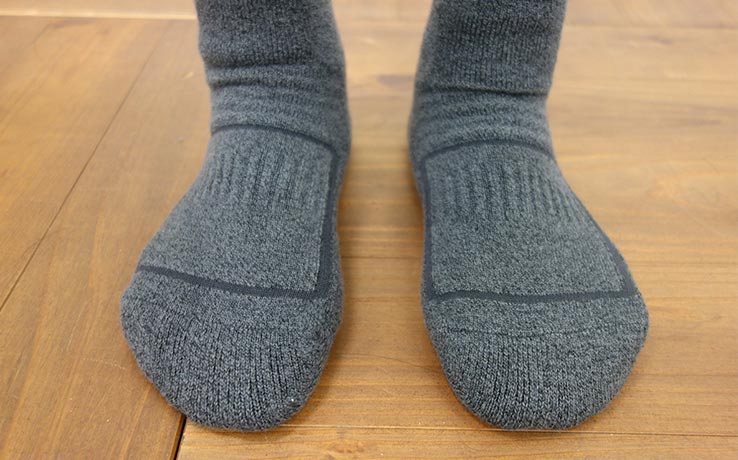
Most winter socks are designed to insulate effectively on their own. If layering is needed, combining one warm sock with a thin inner layer is usually sufficient.
The body’s natural response to cold
In cold conditions, the body protects vital organs by reducing blood flow to the extremities. As circulation decreases, toes become more vulnerable to cold and frostbite.
Keeping your core warm and maintaining circulation helps counter this effect. Moving your toes, staying fueled, and drinking something warm can all support blood flow to your feet.

Sweat, then chill
One of the most overlooked causes of cold toes is sweat.
Feet sweat even in winter. Inside enclosed, insulated boots, moisture has nowhere to escape. As sweat and water vapor cool, they rapidly draw heat away from your skin. This is why toes often feel colder during breaks or after you stop moving.
Changing into dry socks helps, which is why carrying spare socks is essential in winter. However, constantly removing boots is not always practical in harsh conditions.
.jpg)
A Sock Layering System
The key is keeping sweat away from your skin
One effective way to reduce cold toes is to manage moisture before it causes chill.
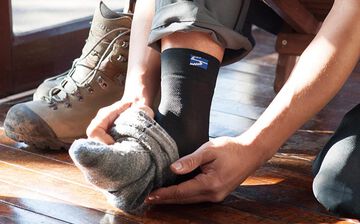
This sock layering system applies Finetrack’s Dry Layering concept to footwear. It uses a water-repellent inner sock, worn directly against the skin, paired with an outer moisture-absorbing sock.
The inner layer prevents sweat from lingering on your skin and pushes moisture outward, where the outer sock can absorb it. Inside the enclosed environment of a winter boot, this helps keep your toes drier, maintaining warmth and comfort throughout the day.
Dry Layering is based on combining water-repellent underlayers with moisture-wicking outer layers to control sweat and reduce heat loss. Applied to socks, it offers a practical solution to sweat-induced cold without adding bulk or compression.
To learn more about the Dry Layering system, please read our previous blog.
.jpg)
Warmth Is a System, Not a Single Item
Cold toes are rarely caused by a single factor. They are the result of heat loss, compression, reduced circulation, and moisture working together.
That is why effective winter comfort comes from a system, not simply from wearing thicker gear. When footwear, socks, and moisture management work together, warmth follows naturally.
With the right approach, winter mountains become more comfortable, safer, and far more enjoyable. You can focus on movement, rhythm, and the experience, rather than worrying about cold feet.
Gear up smart, move with confidence, and enjoy your adventure.
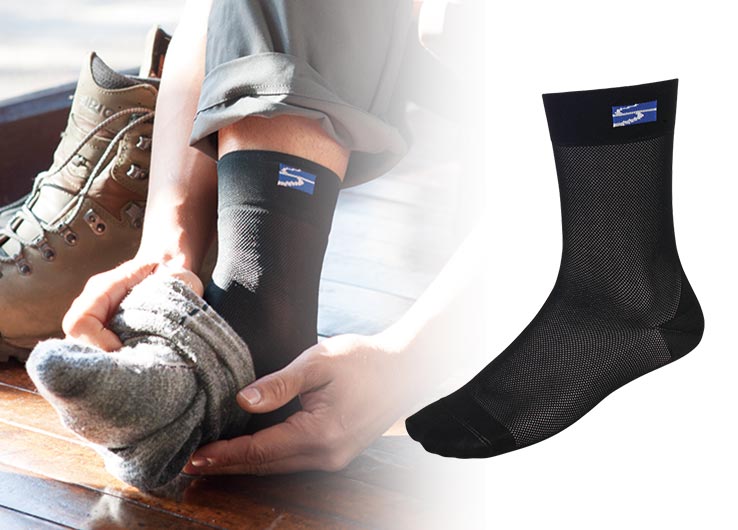
ELEMENTAL LAYER LINER Socks are worn under moisture-absorbing socks to keep feet dry and reduce sweat-related chill. By managing moisture at the skin, they help prevent cold feet, blisters, and odor across all seasons, from winter mountaineering to year-round hiking.
Designed with durable water repellency and a secure, comfortable fit, they perform best when layered with finetrack’s Merino x Nylon MERINO SPIN Socks for a fully integrated sock layering system.