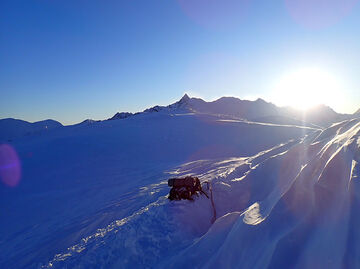
By Yoshiki Kinugawa, Finetrack Product Development Team
Solo Traverse
In Part 1, our team traveled together across the Japan Northern Alps from Bunatate Ridge toward Noguchigoro-dake. On December 31, we separated due to schedule constraints, and I continued the traverse alone toward Shinhotaka.
From that point on, the journey became a solo traverse across some of the most exposed winter terrain in the range. Strong winds, whiteouts, and deep snowfall became constant companions. Progress depended not only on navigation, but also on the ability to find suitable locations to dig snow caves and wait for weather windows.
The goal remained the same: continue the traverse across Washiba-dake, Mitsumata Renge-dake, Sugoroku-dake, and Yumiori-dake, before descending to Shinhotaka.
Day 6 — January 1
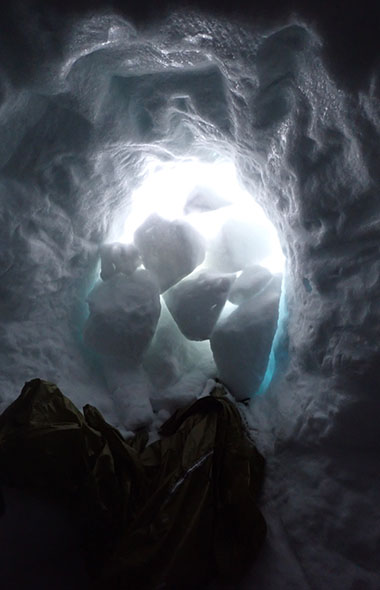
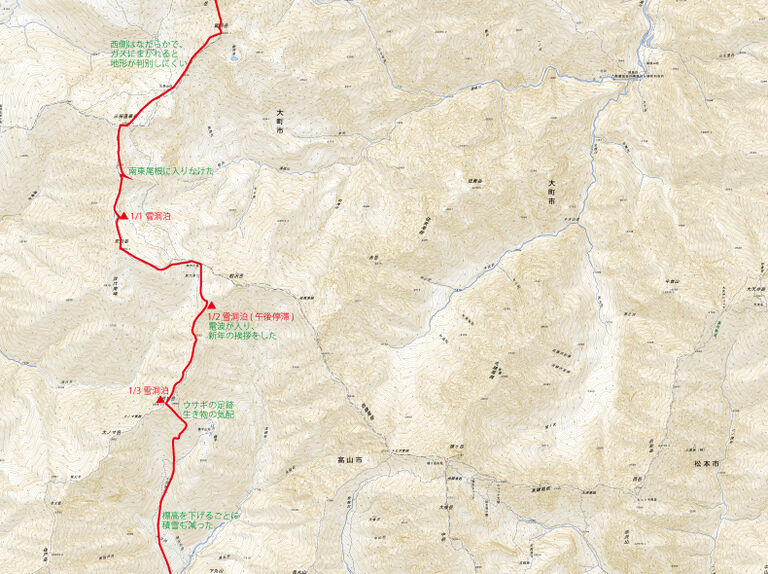
Snow Cave → Washiba-dake → Mitsumata Renge-dake → Snow Cave Camp
I woke at 6 a.m. and started moving at 7:30. The radio repeated the same forecast: the winter pattern would strengthen tomorrow.
Inside the snow cave it had been near freezing, but outside everything hardened instantly. The thermometer on my zipper read −15°C.
Near Suisho Hut the wind was still violent, though slightly calmer than the evening before. Visibility improved just enough to see the terrain ahead. Even on a “good” day, the Japan Northern Alps in late December feel severe.
Knowing conditions would worsen soon, I decided to keep moving.
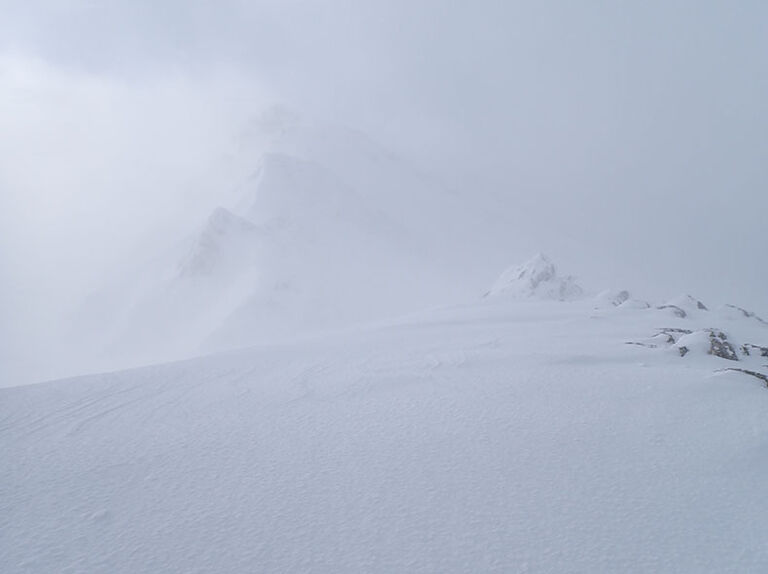
Near the ridge toward Washiba-dake, the whiteout returned and visibility dropped to less than ten meters. Uncertain of my exact position, I tried to check GPS, but blowing snow soaked the phone before it could update.
I stopped, had hot water, and studied the map again. Even if I had drifted slightly off route, the terrain looked manageable. And if necessary, I could always dig another snow cave.
That thought settled my mind.
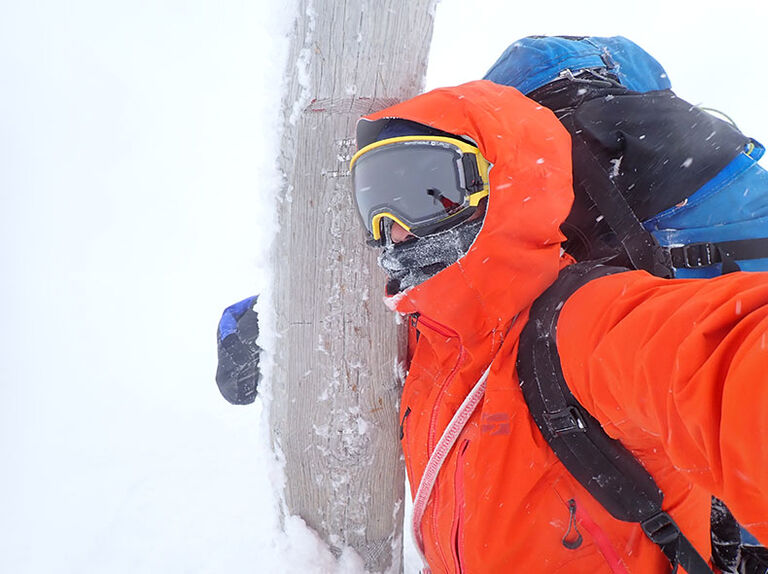
Soon after, the fog briefly thinned and I confirmed I was on the correct ridge. The summit marker of Washiba-dake finally appeared through the mist, bringing a wave of relief.
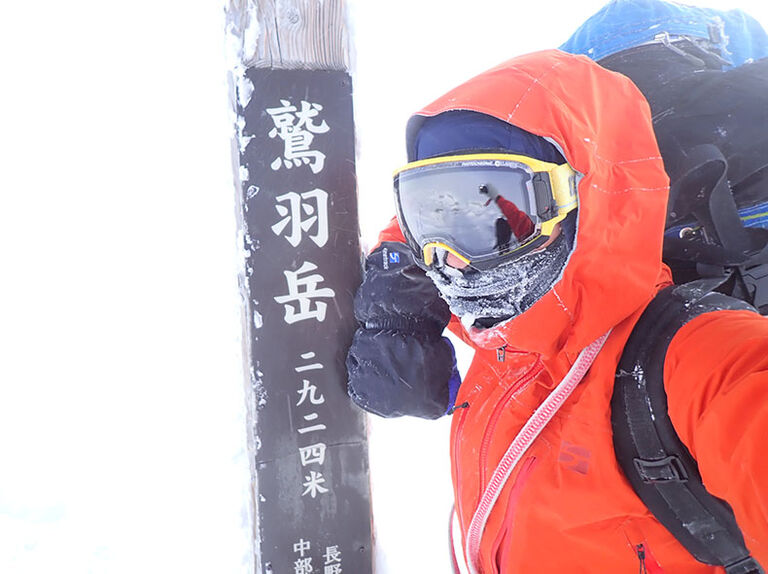
From there I continued toward Mitsumata Renge-dake, navigating slowly with compass and map. When I reached the summit, I hugged the summit marker without thinking.
Later that afternoon the weather worsened again, and I dug another snow cave near Sugoroku.
For the first time, the end of the traverse began to feel within reach.

Day 7 — January 2
Snow Cave → Sugoroku-dake → Toward Yumiori-dake → Snow Cave Camp
I woke up at 6 a.m., slightly slept in... After nearly a week of continuous movement in winter terrain, fatigue was starting to show.
Leaving around 8 a.m., I followed the ridge carefully with compass and map through low visibility.
At Sugoroku Hut, I had quietly hoped someone might be there.
The hut was empty.


Just as forecast, snowfall intensified in the afternoon and visibility collapsed again. Cornices along the ridge toward Yumiori-dake were larger than expected.
Although it was still early, I decided not to force the route and began digging another snow cave.

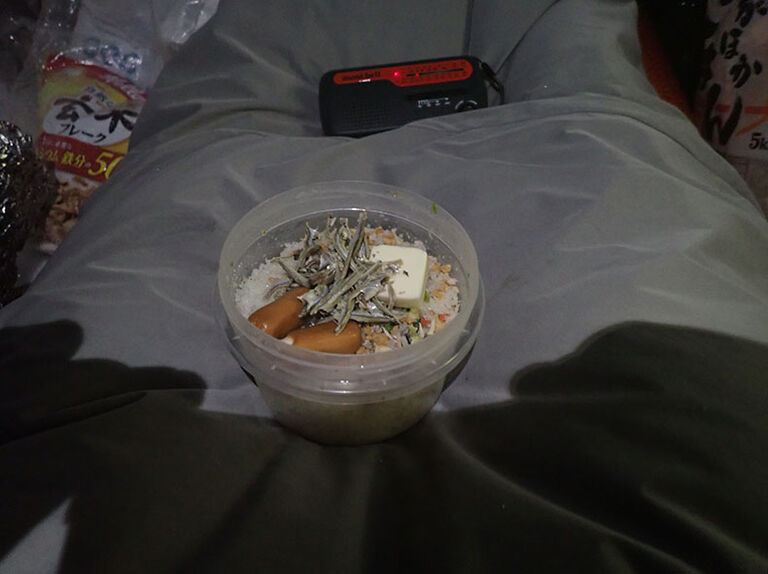
That night I turned on my phone and briefly found reception. I sent a message to K and T, who had already descended, and replied to a few New Year greetings.
Outside, snow continued to fall.
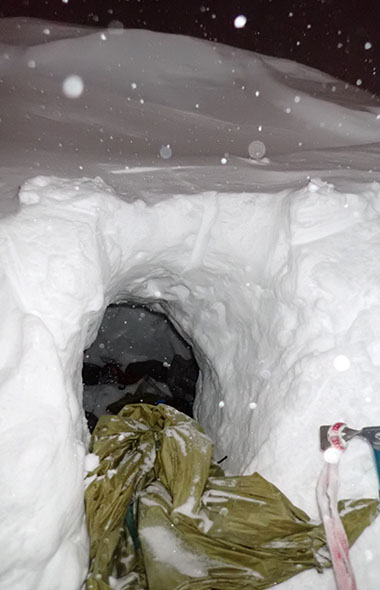
Day 8 — January 3
Snow Cave → Below Yumiori-dake → Snow Cave Camp
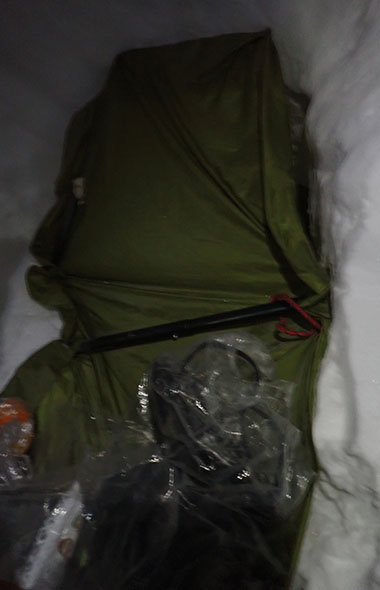
In the morning I looked outside through a small gap in the zelt. Snow blew sideways across a completely white landscape.
Part of me considered staying put. After several days alone, the rhythm of snow caves, radio broadcasts, and quiet mornings had become familiar.
When a song I recognized played on the radio, I found myself singing along.
Around noon the light shifted and I sensed the sun behind the clouds. I packed quickly and set off.
The terrain descended gently at first, but the heavy snowfall from the previous day slowed progress more than expected.


By late afternoon the wind strengthened again and visibility faded. I had hoped to reach Kagami-daira, but identifying the descent from Yumiori-dake became difficult.
Instead, I dug another snow cave slightly toward the Sugoroku valley side.
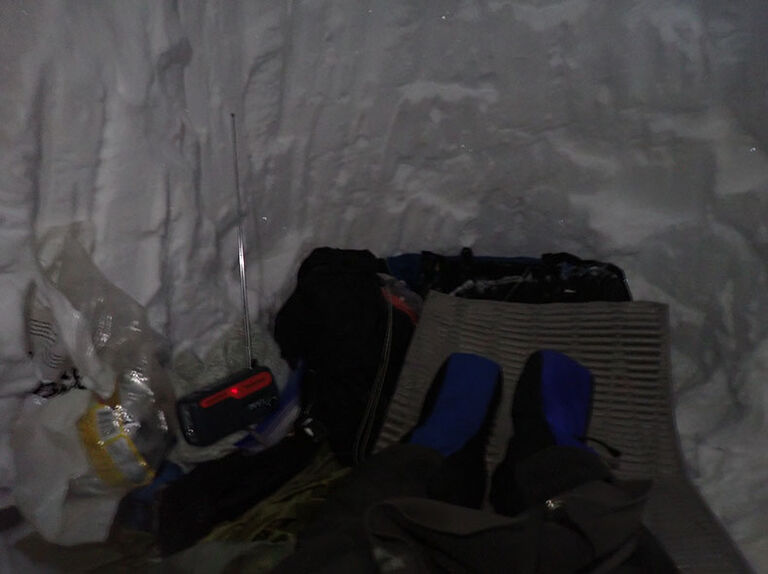
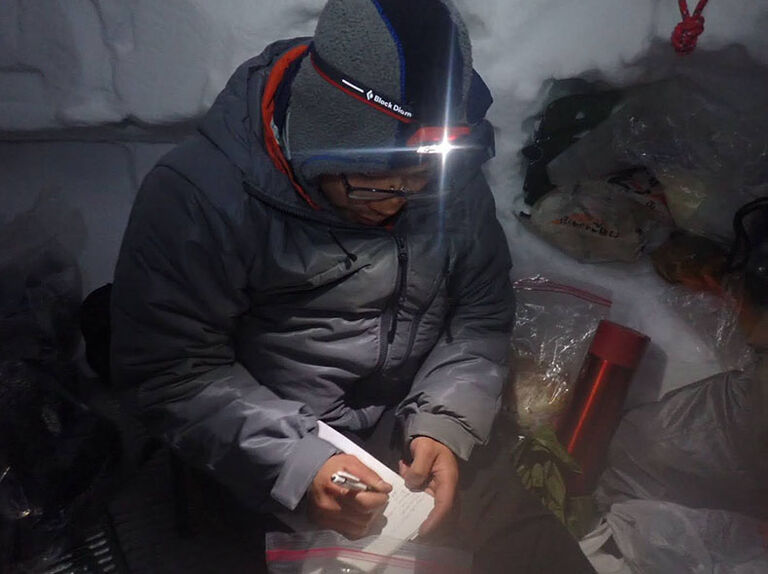
Inside, the routine repeated itself: melt water, cook, write notes, listen to the radio.
That night I used a proper hot-water bottle for the first time in several days. It felt like a small luxury.
Day 9 — January 4
Snow Cave → Yumiori-dake → Descent to Shinhotaka
I woke at 5:30 a.m., melted water, packed my gear, and pushed my pack through the snow blocking the entrance.
It was the first clear morning in five days.
Mount Yari stood sharply against the sky.
For a moment I considered descending toward Kamikochi instead. But the forecast warned that weather would deteriorate again in the afternoon.
Better to descend while the sky was clear.


As the trees appeared and the slope eased, I traversed toward the forest road leading to Shinhotaka.
Around 1 p.m., I reached the trailhead.
At the bus stop, a tourist asked me when the next bus would arrive.
Only then did it truly feel like the traverse was over.

Reflections on Solo Travel
Continuing alone made the difference between solo and group travel very clear.
When you are alone, even small problems carry greater weight. Navigation mistakes, equipment failures, hidden cracks, or injury all become your responsibility.
In a group, different perspectives allow time to pause and reconsider decisions.
That process is not only safer. It is also part of what makes mountain travel interesting.
Closing Thoughts
Above treeline, the Japan Northern Alps in midwinter are relentlessly harsh. Even on good days the wind is strong and visibility limited.
What mattered most on this traverse was the ability to remain calm, find suitable terrain, and build a snow cave when conditions demanded it.
But the trip also reminded me of something else.
What I value most in the mountains is the time shared with others.
Even on a long solo traverse, those memories continue to travel with you.
Author: Yoshiki Kinugawa, Product Development Team, Finetrack
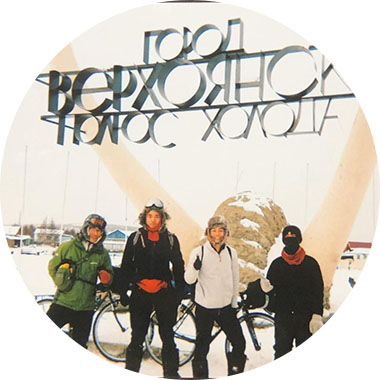
I spend most of my time on long-distance bicycle tours, mountaineering trips, and backcountry skiing. Outside the mountains, I also enjoy hunting and gathering wild foods, working in the garden, and racing cyclocross.
My motto for 2026 is: “If you keep going until it works, it will work.”
(In 2025, it was: “Just do it.”)
I’m still searching for challenges and themes I can pursue for a lifetime.
Products I picked for this traverse
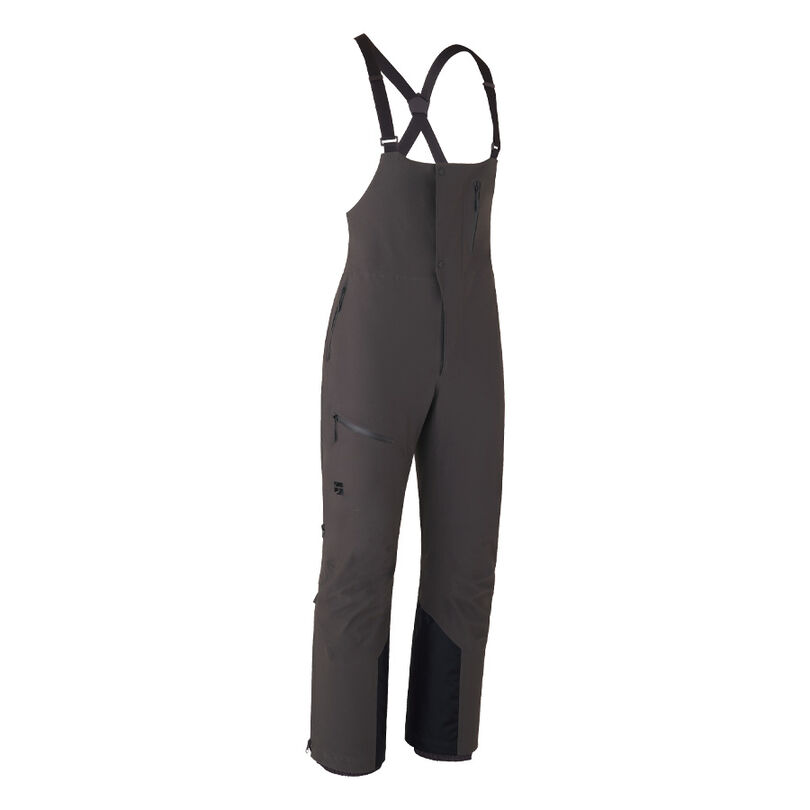
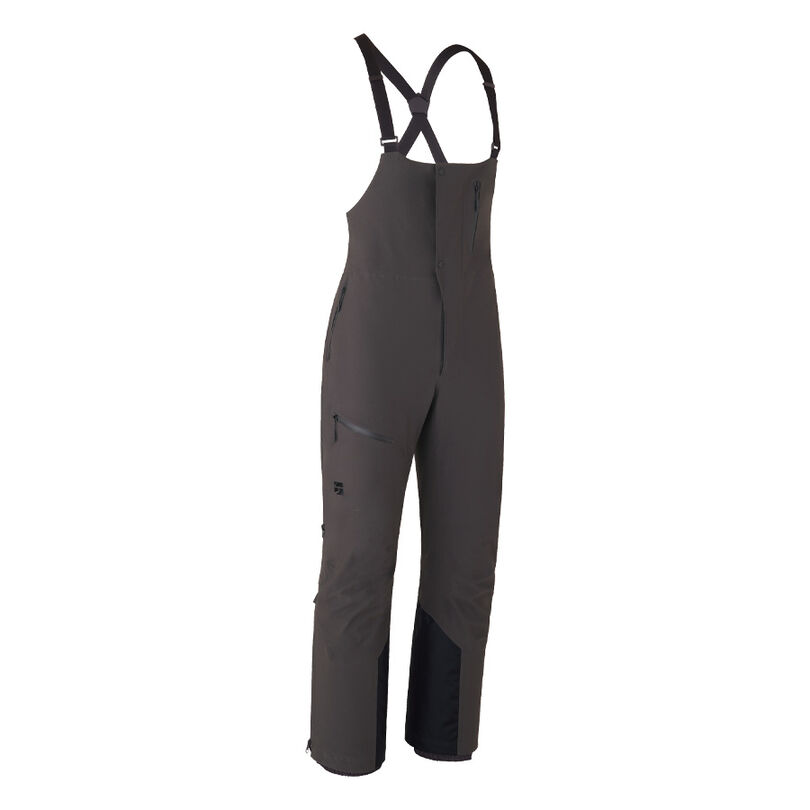 New
New
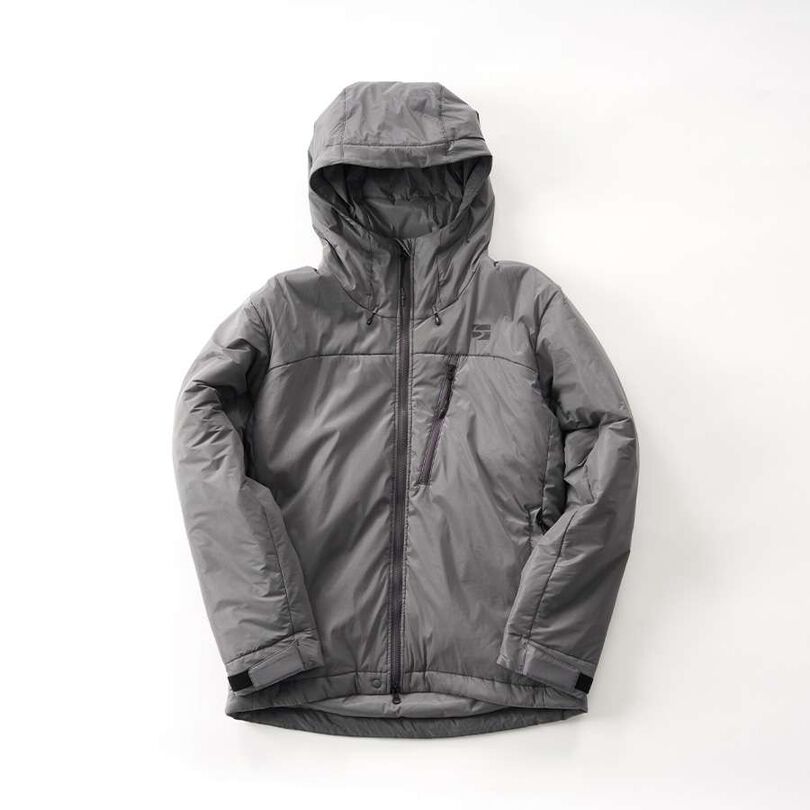
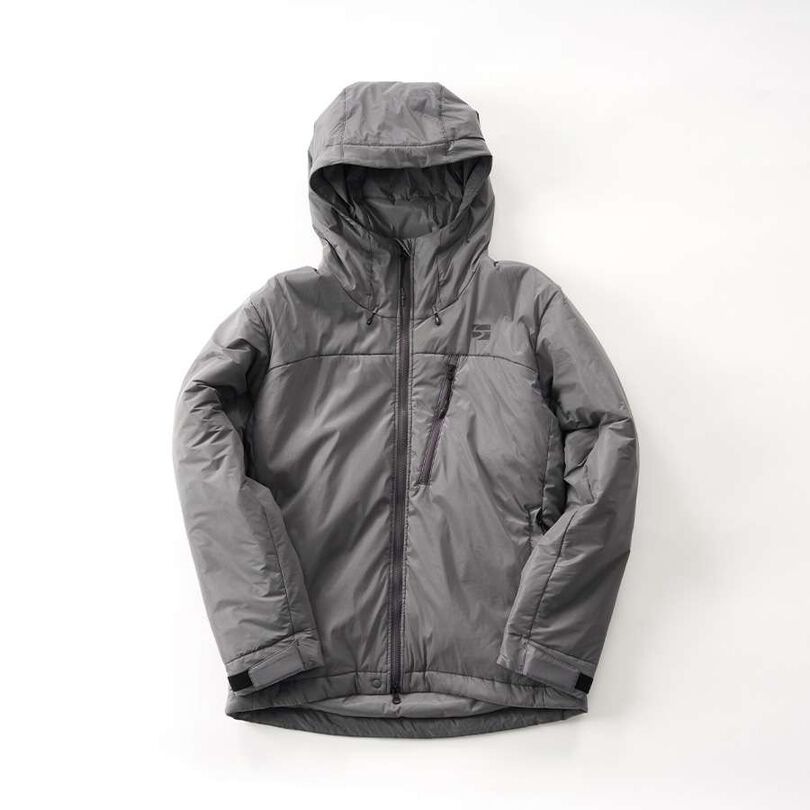 New
New
 New
New
 New
New