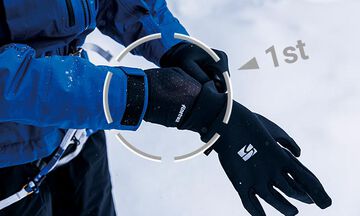
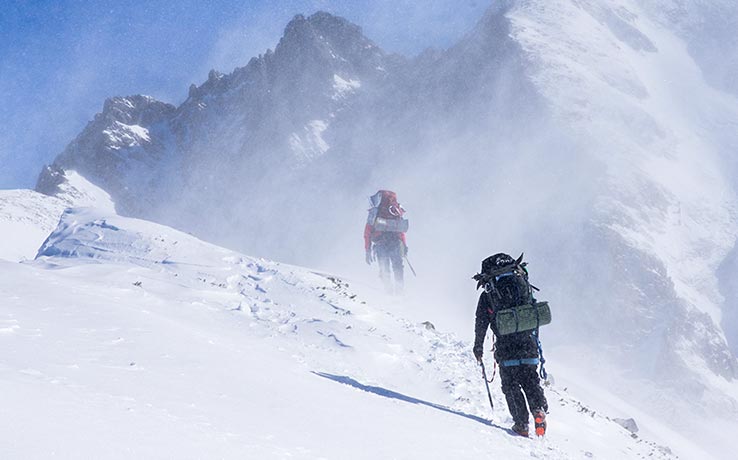
Keeping your hands warm in winter is one of the biggest challenges in the mountains.
While the body can tolerate cold surprisingly well, once hands and fingers get cold, it becomes difficult to keep moving, handle gear, or stay safe.
In our previous blog, we explored how sock layering helps keep your toes warm in winter.
In this article, we take a closer look at how glove layering helps keep hands warm, without relying solely on thick gloves or mittens.
Why Do Hands Get Cold So Easily?
1. Gloves get wet from sweat
Hands are one of the most sweat-prone parts of the body.
During activity, moisture builds up inside gloves faster than most people realize. Even when gloves feel warm at first, sweat trapped inside quickly leads to heat loss once movement slows.
.jpg)
2. Gloves are exposed to rain, snow, and contact
Gloves are constantly exposed to harsh environments.
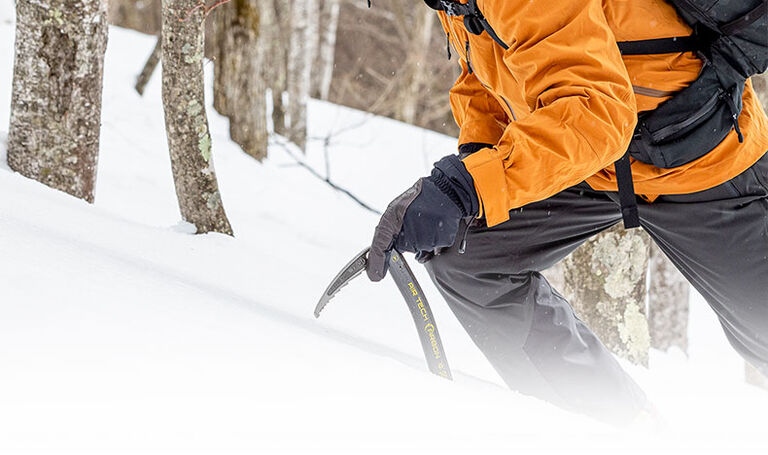
Rain, snow, wet ropes, rock, ice tools, and snow shoveling all damage outer fabrics over time. Once moisture enters from the outside, gloves lose insulation rapidly.
3. Fingers are the first part of the body to cool
When the body starts to lose heat, it prioritizes the core and reduces blood flow to the extremities, making fingers one of the first areas to cool. Once they get cold, they lose heat quickly and are slow to recover.
4. One glove cannot handle all conditions
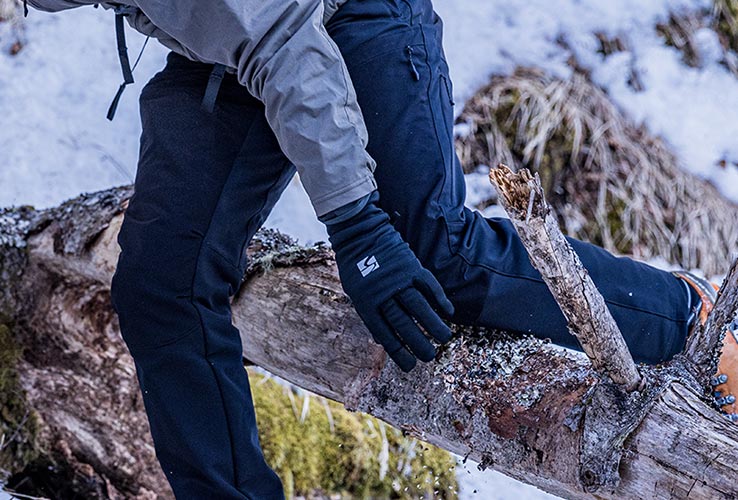
Hands are highly sensitive to temperature changes, and a single glove rarely works for every situation. Small shifts in activity, weather, or wind can quickly make hands feel too hot or too cold.
On top of that, we often take our gloves off during short stops. Whether it’s to snap a photo, adjust gear, or use a phone, just a minute or two of exposure to cold air and wind can quickly drain heat from your fingers. If your gloves are already damp inside, that brief exposure can be enough to leave your hands cold for the rest of the day.
.jpg)
The Solution: Glove Layering with Dry Layering Principles
Just like our Dry Layering system for the body, glove layering works best when moisture is controlled at the skin.
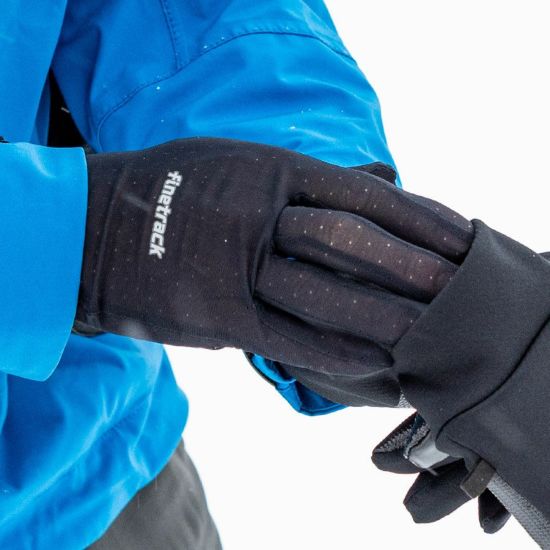
Using a water-repellent mesh inner glove creates a protective layer between your skin and moisture inside the glove system.
This inner glove:
- Allows sweat to pass through quickly
- Reduces moisture returning to the skin
- Helps keep hands dry even when outer gloves become damp
It acts as the final barrier, repelling moisture coming from rain, snow, or contact with wet surfaces.
When hands stay dry, they stay warm.
Warm Hands Come from a System, Not Just Thicker Gloves
Cold hands are not just about temperature.
They happen when moisture builds up, heat escapes, and circulation slows, often at the same time.
Instead of relying on thicker gloves alone, managing these factors together makes a bigger difference. By combining inner gloves, outer protection, and proper moisture control, your hands can stay drier, warmer, and more responsive throughout the day.
With a thoughtful glove layering approach, winter travel becomes more comfortable and more predictable. You can stay focused on movement and decision-making, rather than reacting to cold, stiff fingers.
Choose your system carefully, adapt as conditions change, and enjoy the mountains with confidence.
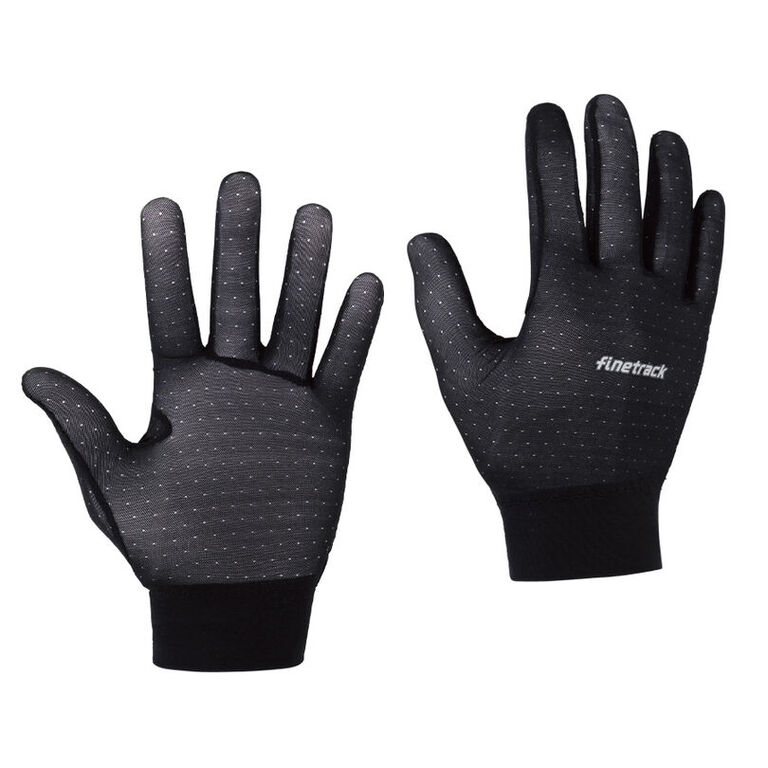
Elemental Layer Inner Gloves are ultra-thin liner gloves designed to support effective glove layering through moisture control. With excellent durable water repellency, they help keep fingers dry and reduce discomfort caused by sweat and cold. Even when outer gloves become damp from rain, snow, or perspiration, these inner gloves protect the skin and make it easier to put outer gloves on and take them off. The smooth, highly stretchable knitted nylon mesh provides a soft, secure fit around the base of each finger, allowing natural movement without added bulk.