
A good day on the trail starts with feeling good in your gear. Once your shirt gets heavy with sweat and starts clinging to your skin, that feeling is hard to shake. Summer hiking might seem like it doesn't require much gear, but your shirt goes through a lot in a single day: the morning chill, the hard sweaty climbs, the weather shifting on the summit. Altitude, activity intensity, and changing conditions all play a role. The right shirt keeps up with all of that quietly. The wrong one becomes the thing you can't stop thinking about. So what should we look for in a good summer hiking shirt?
For most hikers, the answer comes down to a handful of things. It should pull sweat away from your skin quickly, dry fast, feel light enough that you barely notice it, hold up against the physical demands of the trail, and most importantly, feel comfortable wearing it. Get all of these right, and your shirt disappears into the background, letting you focus on the trail ahead.
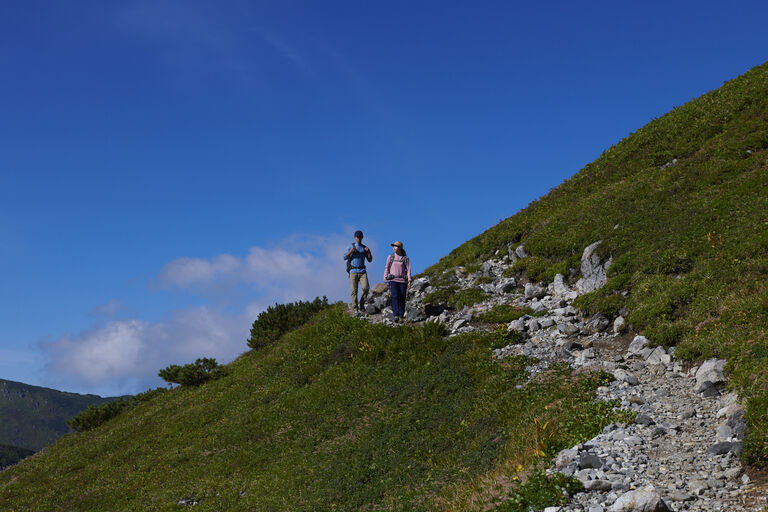
Comfort: The Foundation of a Good Hiking Shirt
Comfort on the trail is about more than just how soft a shirt feels. It mainly comes from three things working together: the material, the fabric construction, and drying speed.
Material is the starting point. It determines how a shirt feels against your skin and how it handles moisture. Synthetic materials generally offer better moisture wicking and drying, a smooth feel against the skin, and sometimes an extra cool touch. Natural materials like merino wool bring natural temperature regulation and a softer feel. And then there are hybrids that bring together the best of both worlds.
Fabric construction is another key factor that determines comfort. It feeds directly into how a shirt feels in motion and how fast it wicks and dries moisture. Stitching is part of this too, and it matters more than most people realize. Seams that are too bulky or poorly placed can cause irritation and chafing over a long day, especially under a backpack. Flat, low-profile stitching sits closer to the skin without creating pressure points, and thoughtfully placed seams reduce friction in the areas that matter most.
Drying speed, as a result of both material and construction, ties it all together. A shirt that stays wet against your skin doesn't just feel uncomfortable; it can leave you cold and clammy every time you stop moving. A shirt that dries quickly maintains that fresh, comfortable feeling throughout the day, regardless of how hard you're working.
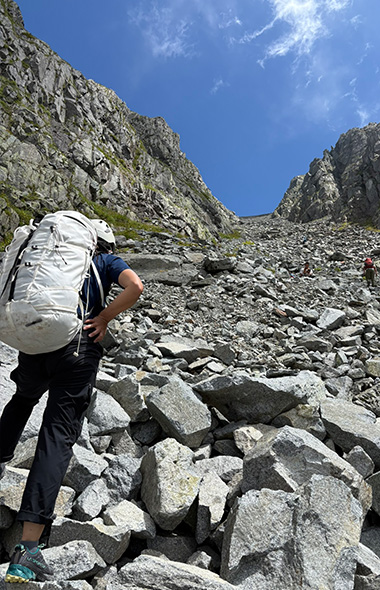
Sweat Management: Wicking and Drying
Wicking and drying mean how quickly a shirt pulls moisture away from your skin, transmit it through the fabric, and spreads it across the surface to dry. As mentioned above, both material type and fabric construction design, including weaving, knitting, and layer structure, play a big role in how fast that happens. The best summer hiking shirts manage sweat efficiently, keeping you feeling fresh whether you're working hard or standing still.
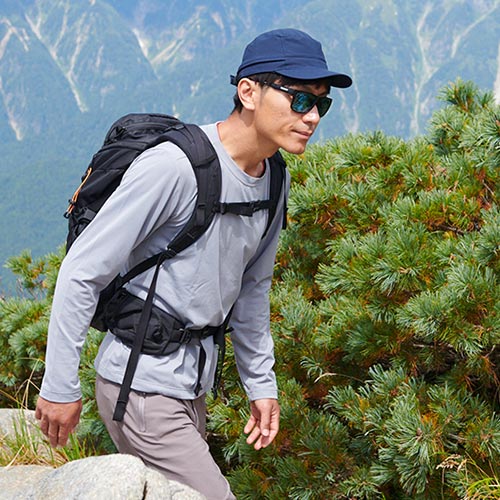
Weight and Durability: Light Doesn't Have to Mean Fragile
On the trail, weight matters, and your shirt is one of the easiest places to feel it. A truly lightweight hiking shirt feels like almost nothing, reducing heat buildup and giving you full freedom of movement. But lightweight can't come at the cost of durability. Hiking puts fabric through a lot: brushing against rock faces, scraping through brush, the friction of a backpack, and repeated washing over many seasons. The best shirts balance an ultra-light construction with enough surface strength to handle real trail conditions without snagging or wearing through quickly.
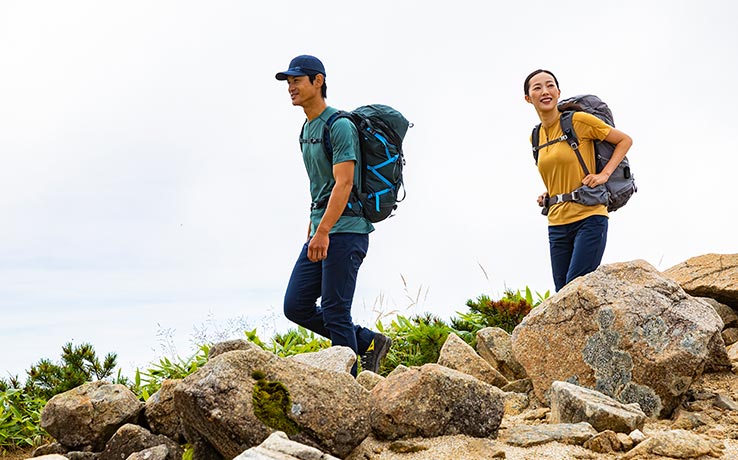
The Little Things That Add Up
Freedom of movement, odor control, and UV protection are worth paying attention to on longer outings. A shirt that moves naturally with your body is one less distraction that adds up over a long day. If there is any discomfort or restriction on a shorter outing, it will only be more noticeable with greater distance and increased sweat. Antibacterial properties keep things fresher on multi-day trips where you may be wearing the same layer day after day, and UV protection matters on exposed ridgelines and high-altitude routes where sun intensity is significantly higher.
When the Weather Turns: The Case for an Elemental Layer
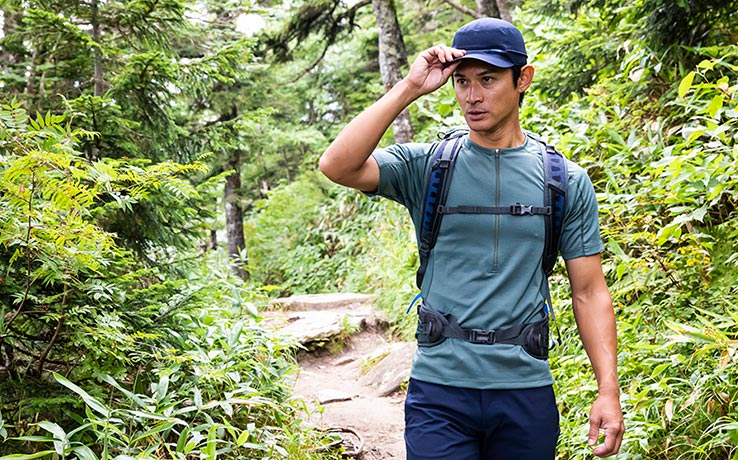
Even on a clear summer day, mountain weather can shift quickly. A hard climb leaves your shirt damp with sweat, and then before the shirt has a chance to dry, a sudden temperature drop or unexpected shower turns that moisture cold against your skin. This is one of the most common sources of discomfort on the trail, and it's where a base layer alone has its limits. Adding Finetrack's L1 Elemental Layer, which is water repellent, beneath your hiking shirt creates an extra protective shield against wind and sudden chill. It's a simple addition that makes a meaningful difference on the days when the mountain doesn't cooperate.
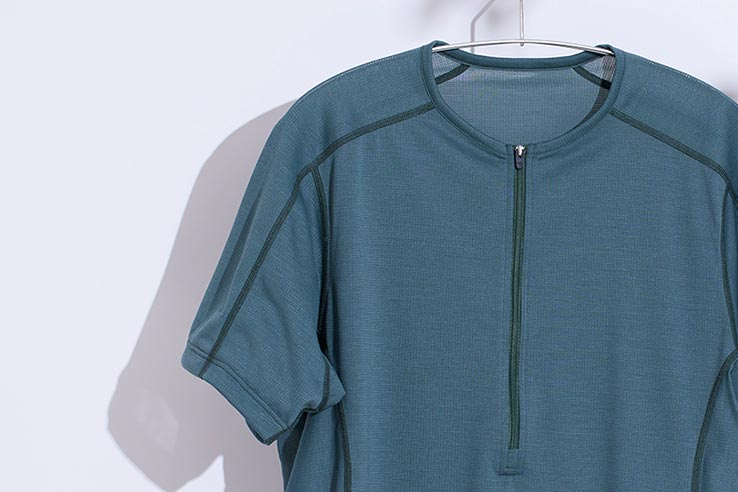
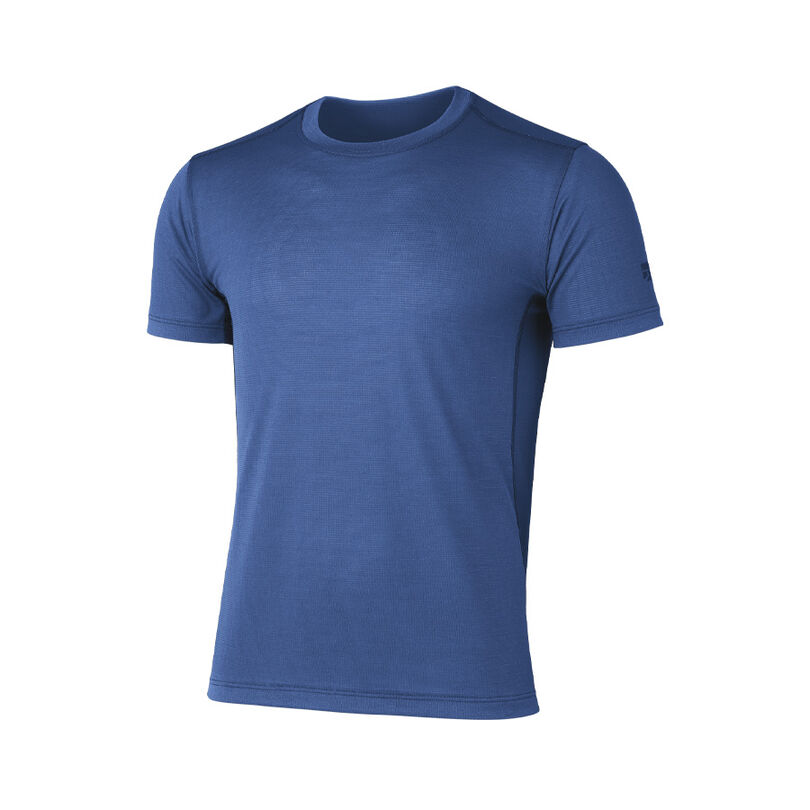
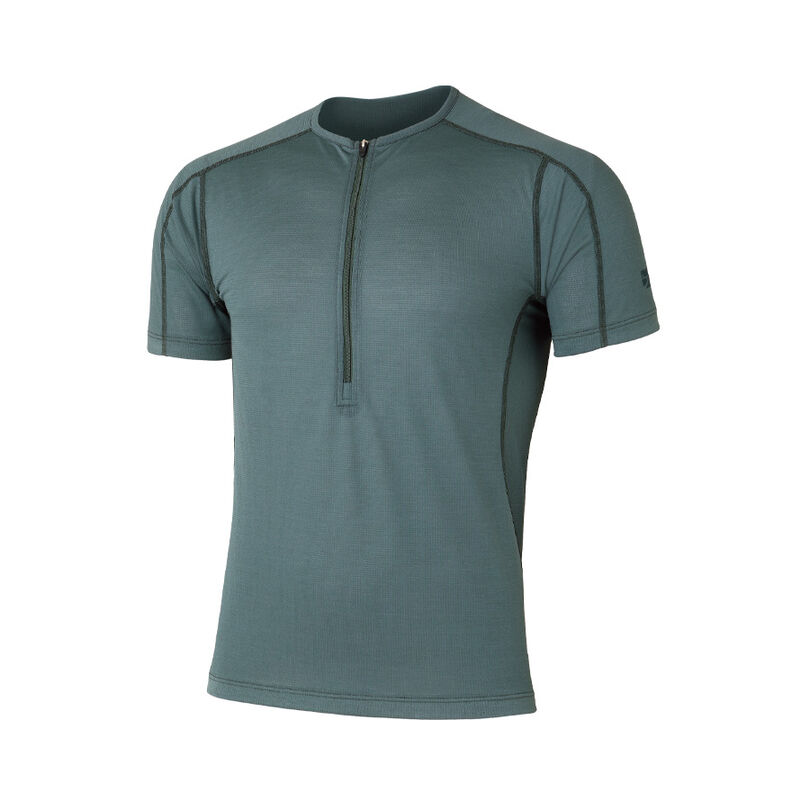
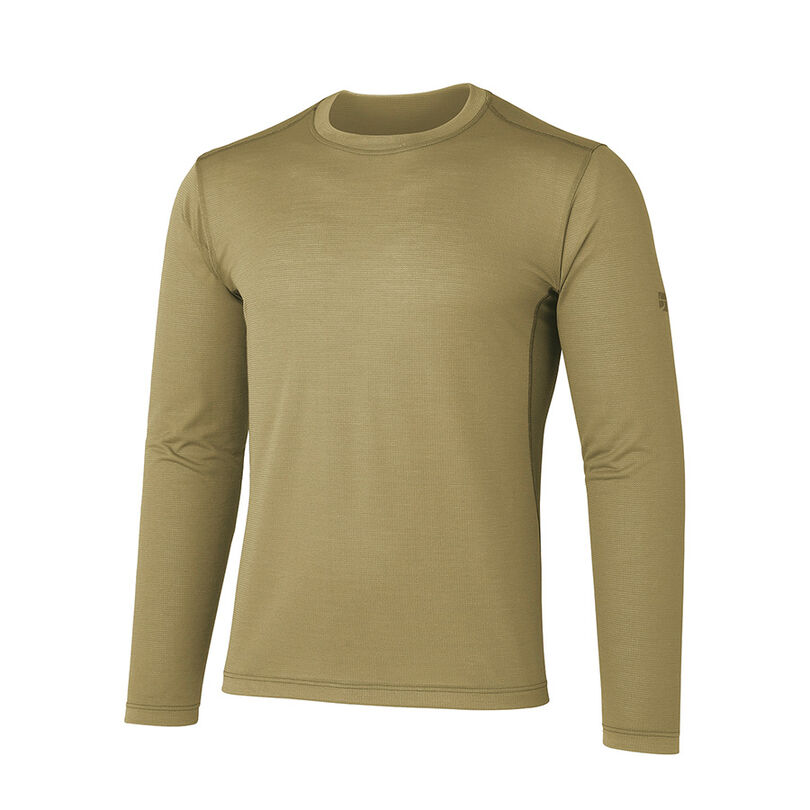
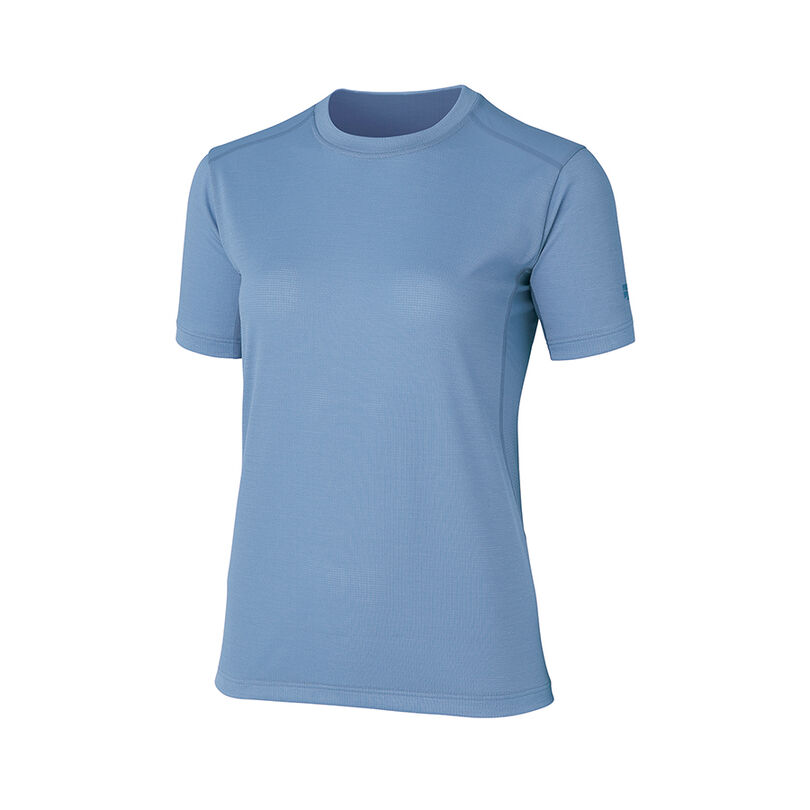
Finetrack's L2 Base Layer Options for Summer
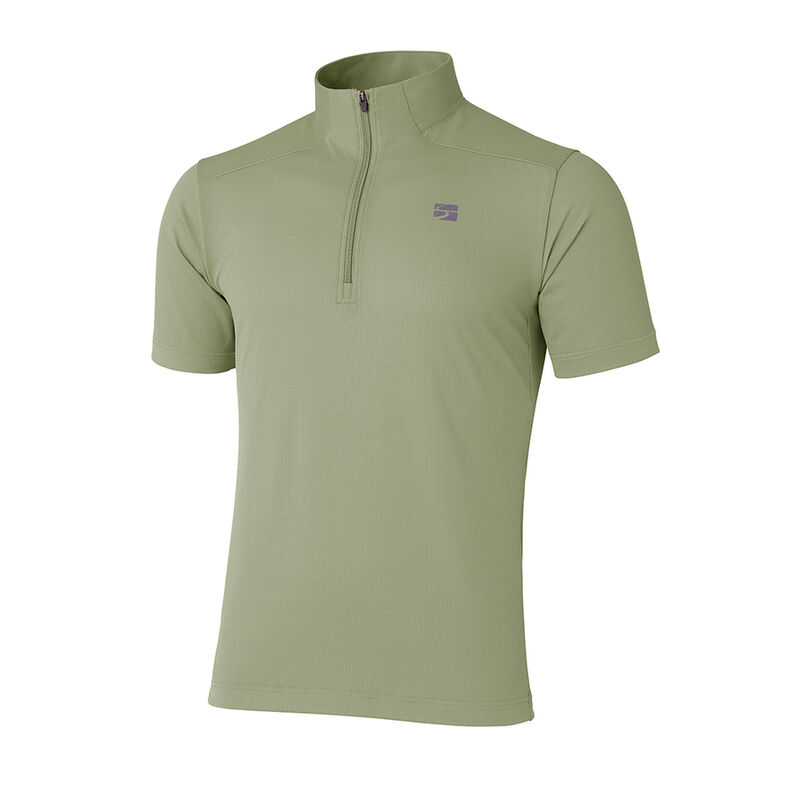
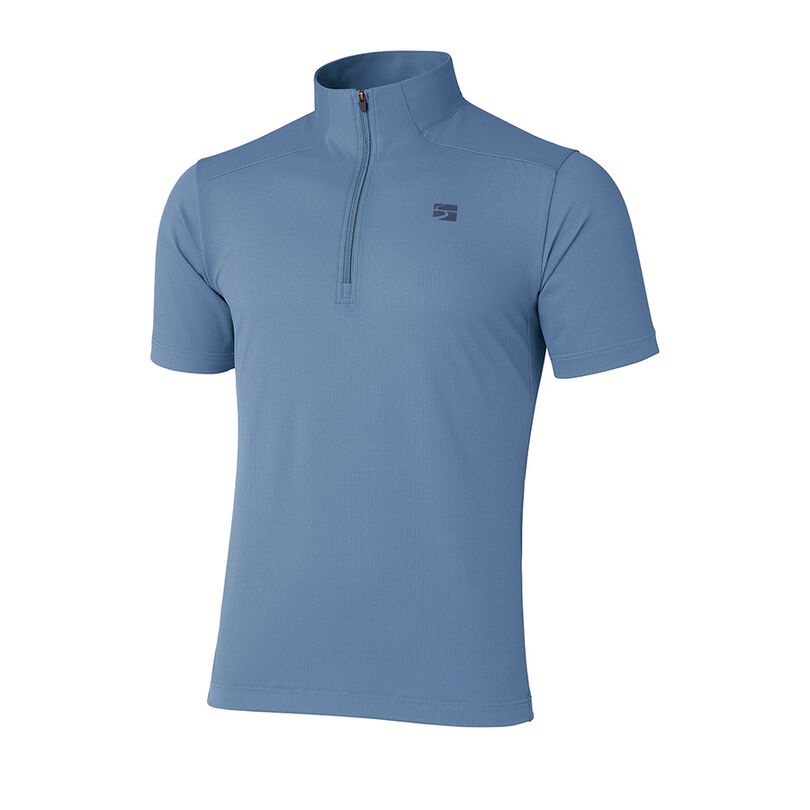
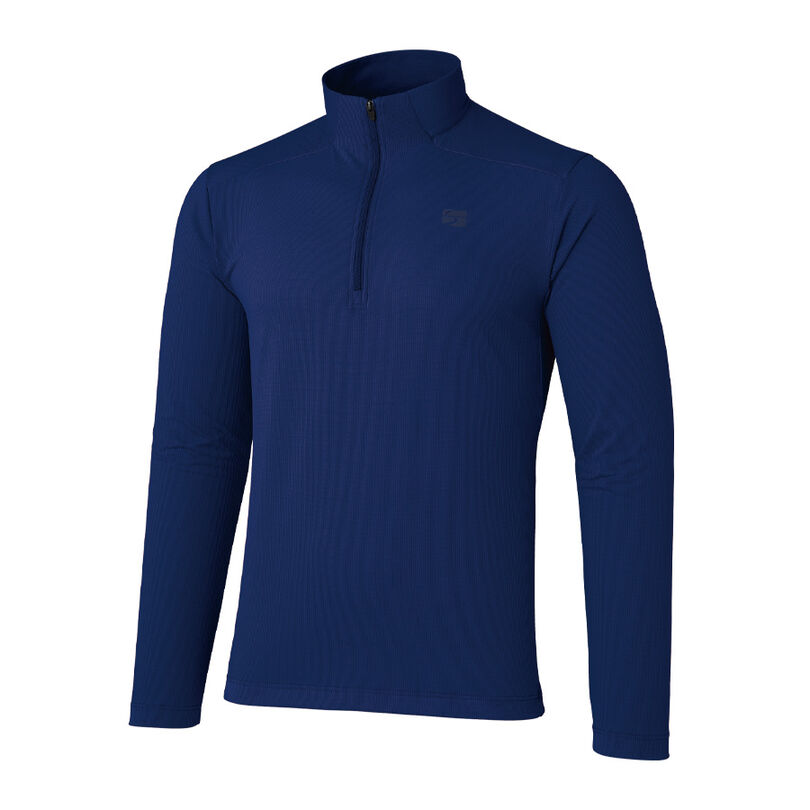
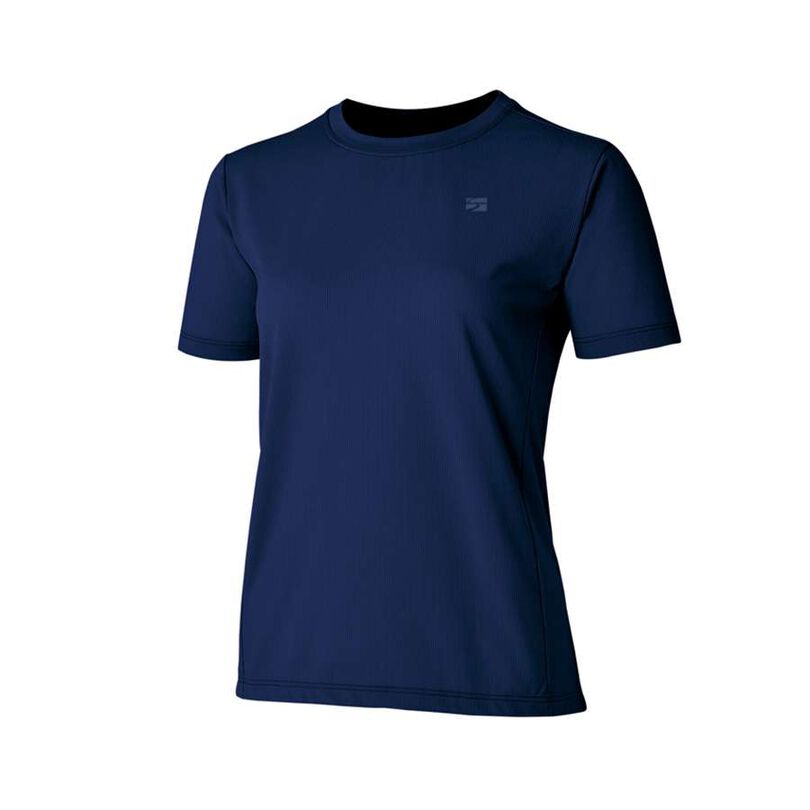
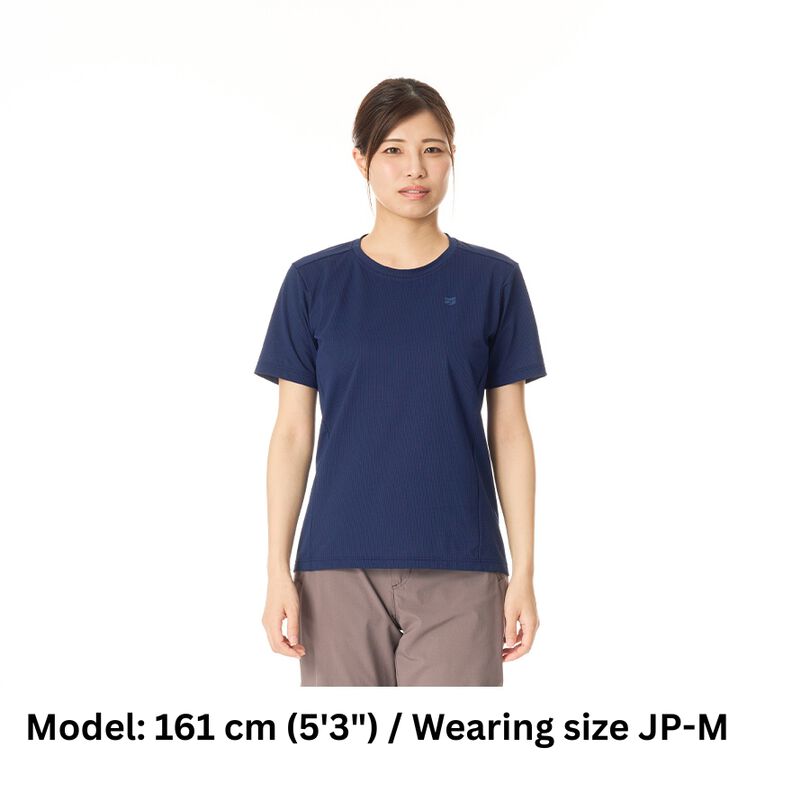
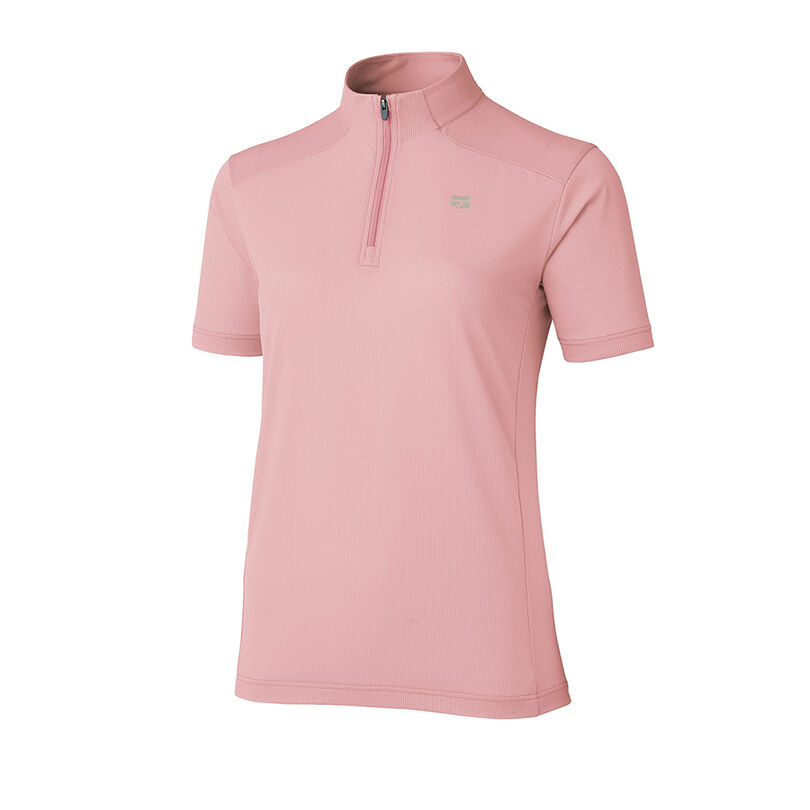
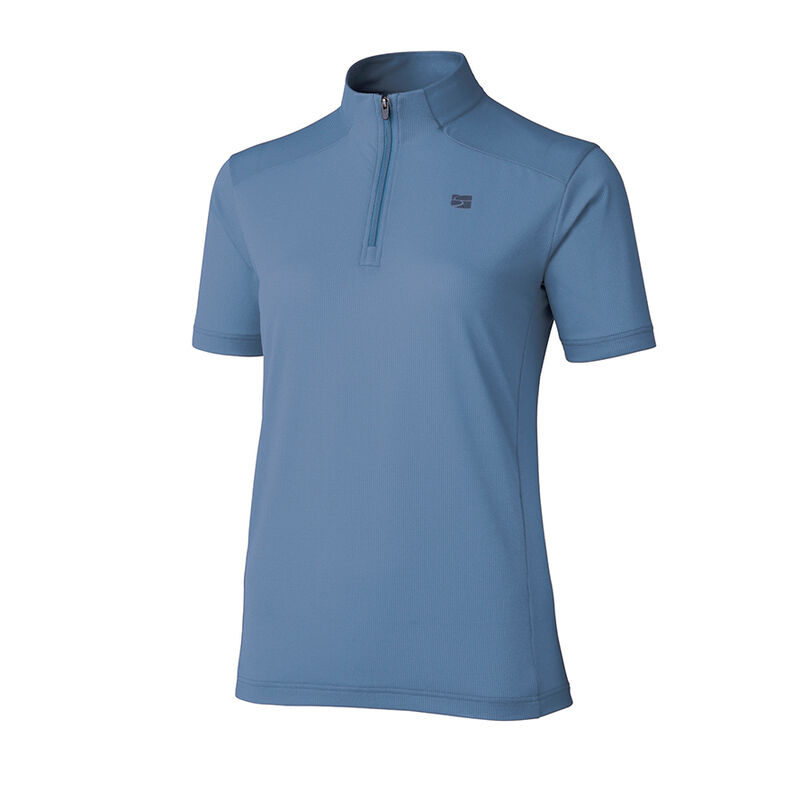
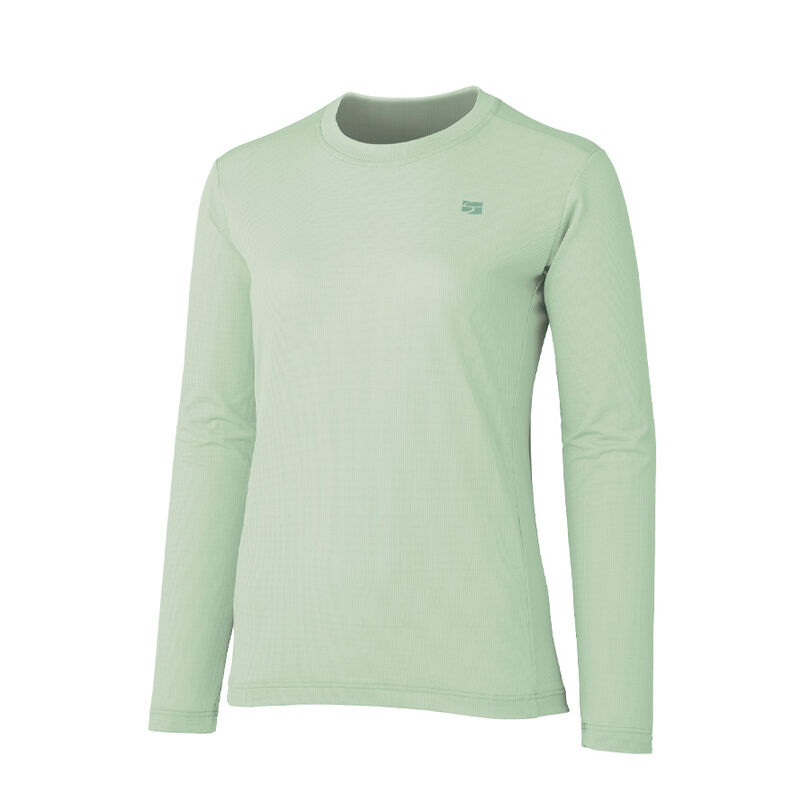
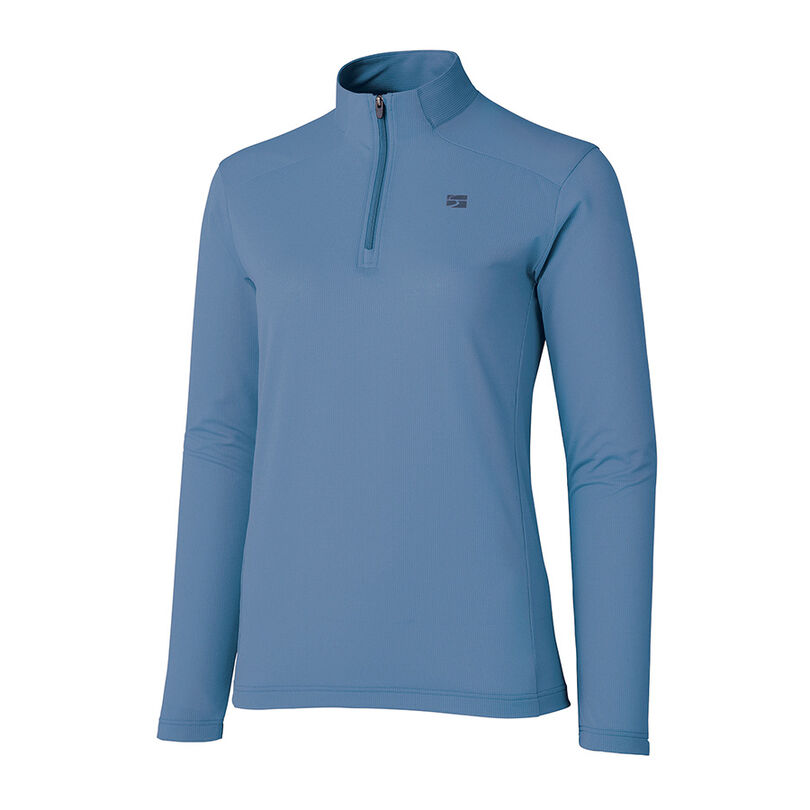
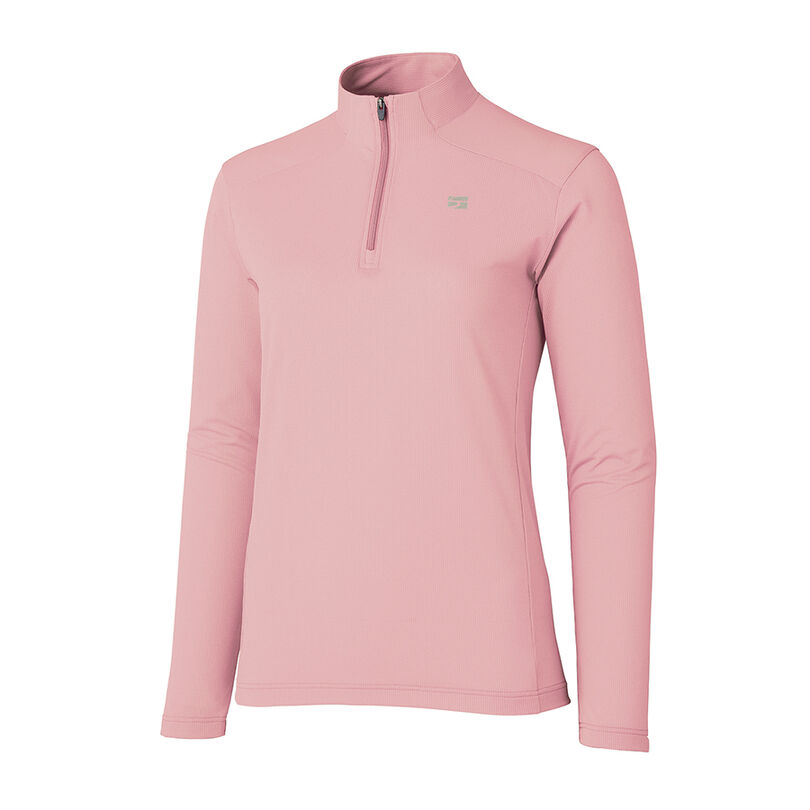
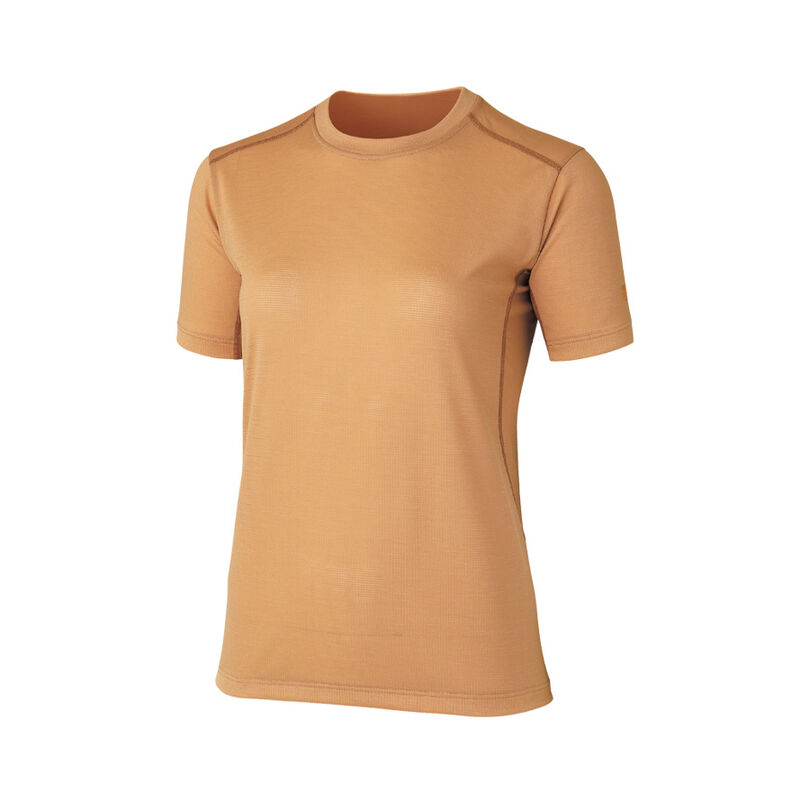
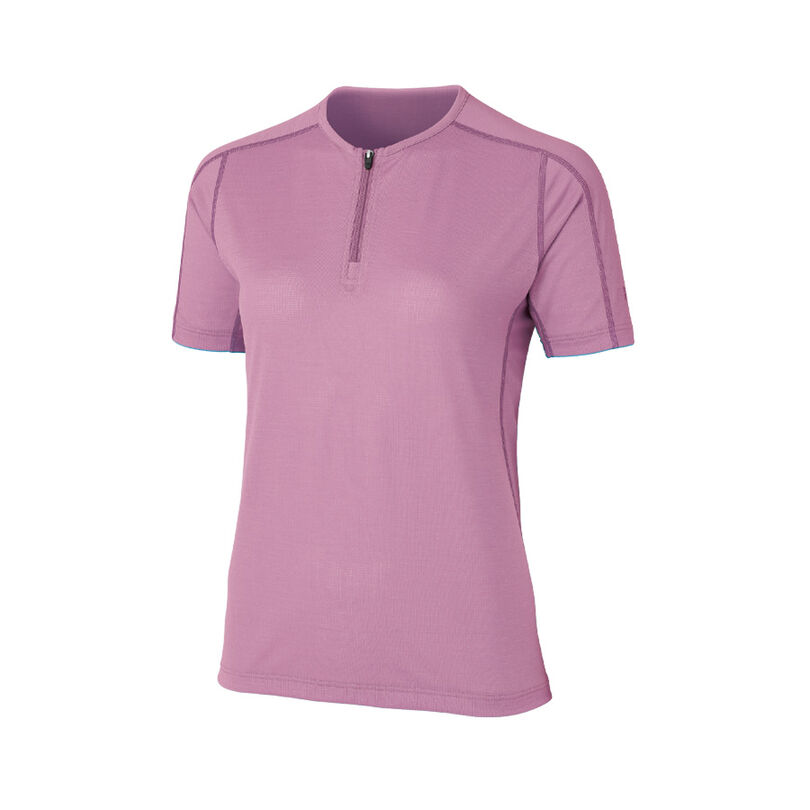
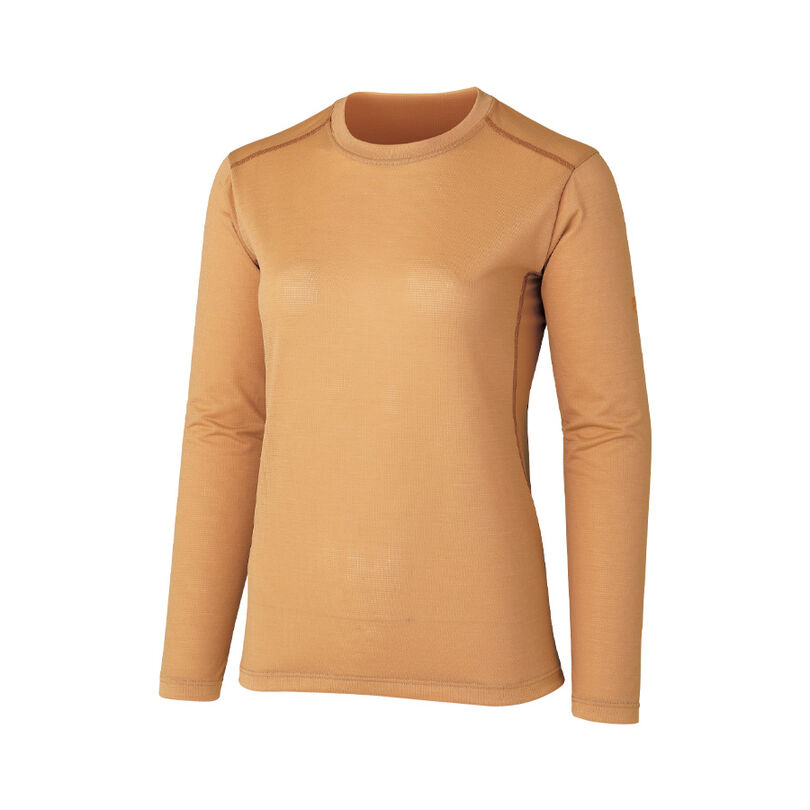
Drought Quad Series is built around four core functions of a high-performance summer base layer: sweat absorption, quick drying, breathability, and fabric strength. Its three-layer polyester fabric structure promotes smooth, efficient moisture processing, while the densely knitted construction offers surface strength that resists snagging despite its thin, lightweight feel. Antibacterial properties and UV protection round out a shirt designed to perform reliably across a wide range of conditions from spring through fall.
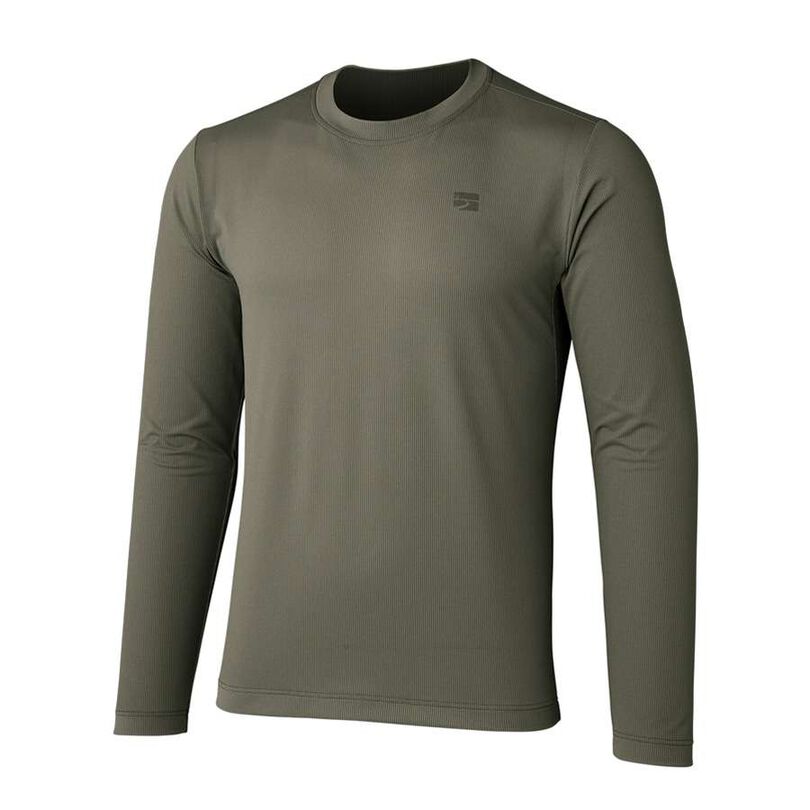
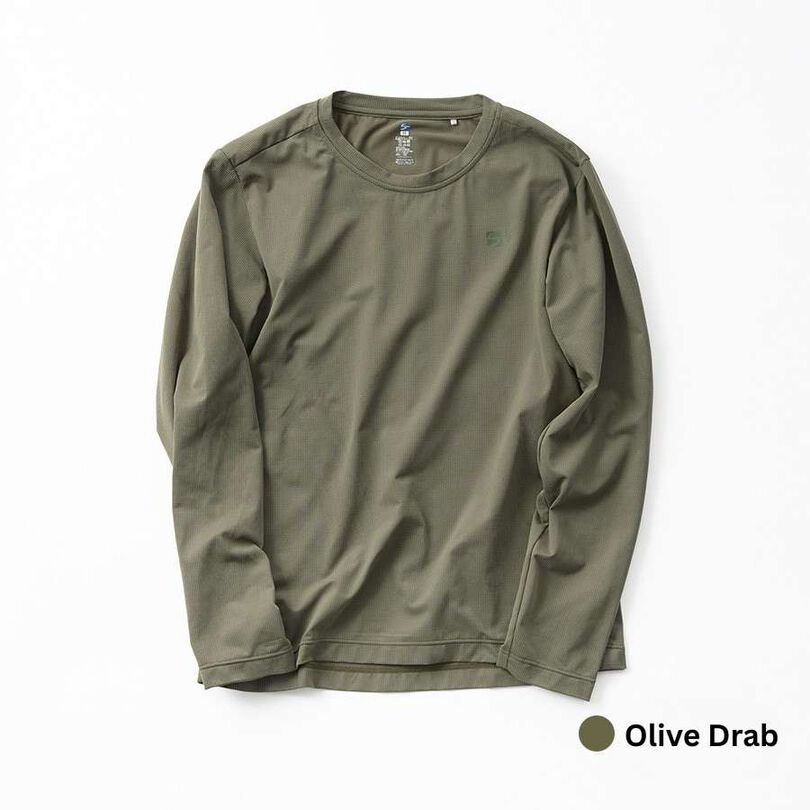
Ramie Spin Air Series consists of Finetrack's original RAMIESPIN fiber (a natural ramie and polyester hybrid), providing the fastest drying speed in the L2 base layer lineup. The natural ramie fiber also adds a distinctly cool, airy feel against the skin, and the wide cuffs and armholes are designed to let air flow freely as you move. Ultra light at 97g, it's built for the hottest mid-summer days when fastest wicking and drying, maximum airflow, and cooling are the top priorities.
Both shirts are made in Japan and designed to work as part of Finetrack's layering system, pairing naturally with the L1 Elemental Layer for added weather protection when conditions change.
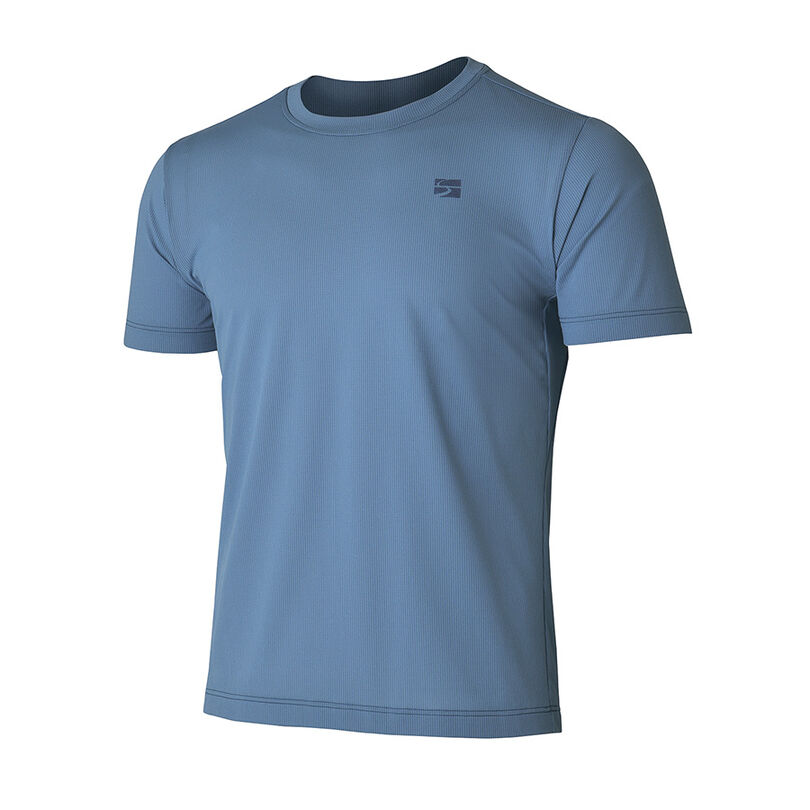
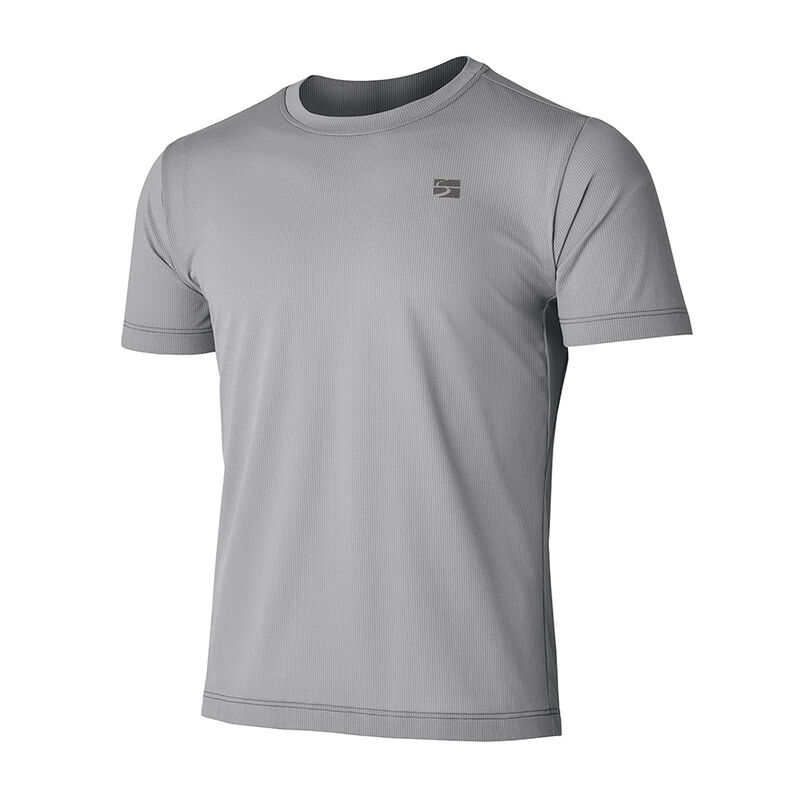
Explore Finetrack L2 base layer collections:
 新商品
新商品
 新商品
新商品
 新商品
新商品
.jpg?sw=810 "FMM1123_sub(15).jpg") 新商品
新商品
 新商品
新商品
 新商品
新商品
.jpg?sw=810 "FMW1121_sub-(4).jpg") 新商品
新商品
 新商品
新商品
 新商品
新商品
 新商品
新商品
 新商品
新商品
 新商品
新商品
 新商品
新商品
 新商品
新商品