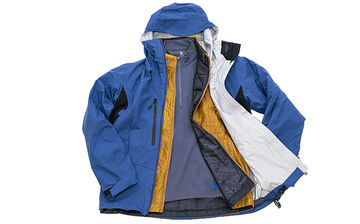
Staying Warmer in Winter: The One Layer That Makes a Big Difference
Proper cold-weather layering is essential for enjoying winter mountaineering. Warm base layers, puffy down, pocket warmers… there are many ways to stay warm out there.
But in this article, we want to highlight one simple yet highly effective approach: adding just one extra layer to your system can noticeably increase your warmth in winter mountains.
Let’s dive in.

Winter Mountains Are Beautiful, but Brutally Cold
Snow-covered trails, frosted trees, and white ridgelines create a breathtaking, almost sacred landscape.
But behind that beauty lies deep cold and truly unforgiving conditions.
Whether you hike, climb, or ski, enjoying winter safely requires winter-specific techniques such as ice axe work, confident crampon movement, and accurate navigation. And just as your technical skills need to level up, your approach to staying warm must also improve.
Falling snow, stinging wind, and cold that cuts to the core can quickly drain your energy. Without proper thermal management, you will not only struggle to enjoy the mountains but also increase your risk of hypothermia.

Is Wearing More Layers the Wrong Way to Stay Warm?
When preparing for winter conditions, many people bundle up with thick base layers, fleece, a tough outer shell, and a large down jacket. It feels like the safest approach for staying warm.
Yet once you begin climbing, you might still feel cold. Even with multiple layers, why does this happen?
Why You Still Get Cold
A major cause is moisture, especially sweat. This is often called sweat chill. Moisture trapped inside your clothing pulls heat away from your body. Water conducts heat about 25 times faster than air, so once your layers become damp and touch your skin, warmth is lost rapidly. In town you can escape to a warm place, but in the mountains you cannot.
Climbers are taught to control their pace to prevent sweating, but winter mountaineering demands heavy packs, crampons, and insulated boots. Under these conditions, avoiding sweat is extremely difficult.
A Well Designed Layering System Makes the Difference
Layering is a technique for controlling heat and moisture: releasing excess heat to reduce sweating, and moving moisture away from your skin toward the outside. Simply piling on warm layers can trap too much heat, increase sweating, and ultimately make you colder.
TIPS
Two keys to staying warm in the winter mountains
• Keep moisture away from your body
• Design a layering system that reduces excess heat and moves moisture efficiently
.jpg)
Let’s Take a Closer Look at the Two Key Points
Choosing the Right Layers for Winter Mountains
To control moisture and build an effective layering strategy, start with the basic layering system, which consists of three garments: a base layer, a mid layer, and an outer shell.
The basic three-layer system and the role of each
• Base Layer: moisture absorption, quick drying, insulation
• Mid Layer: insulation
• Outer Shell: waterproof, windproof, breathable
To reduce sweat chill in winter mountains, we recommend optimizing the system by focusing especially on how you choose your base layer and mid layer.
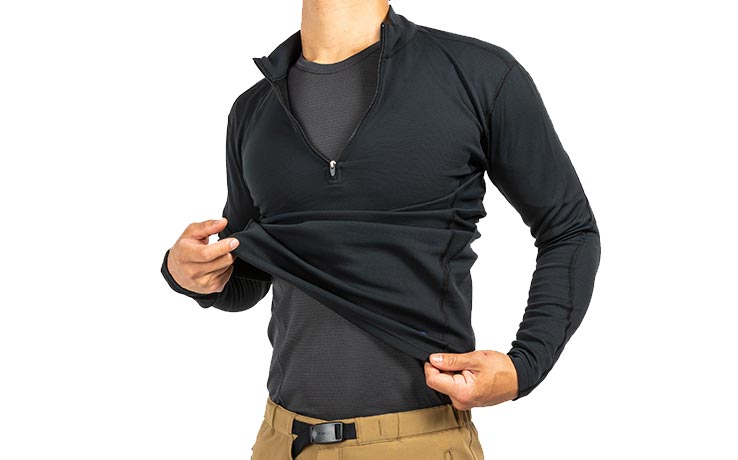
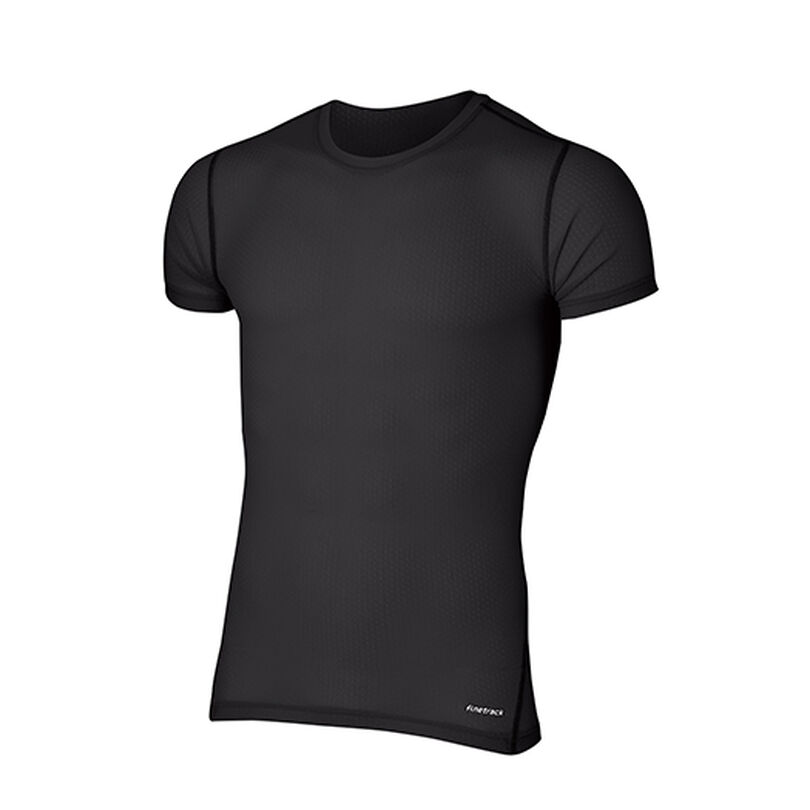
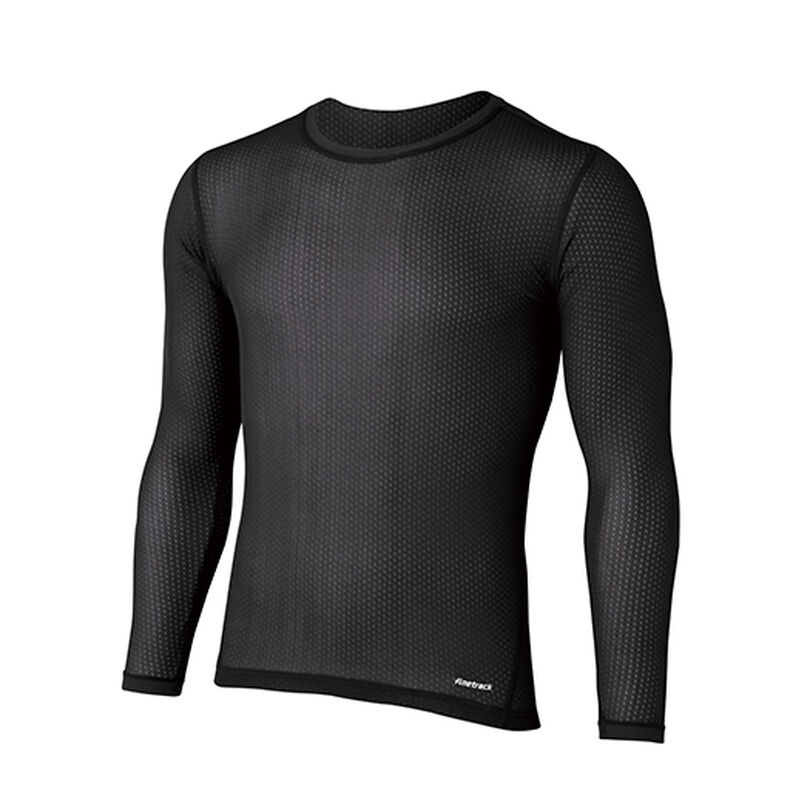
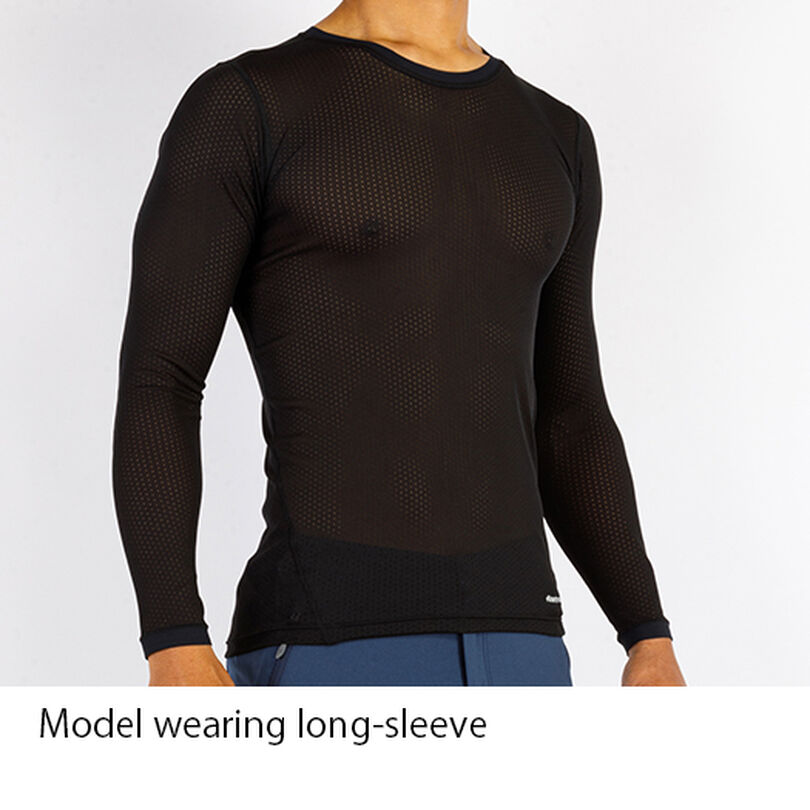
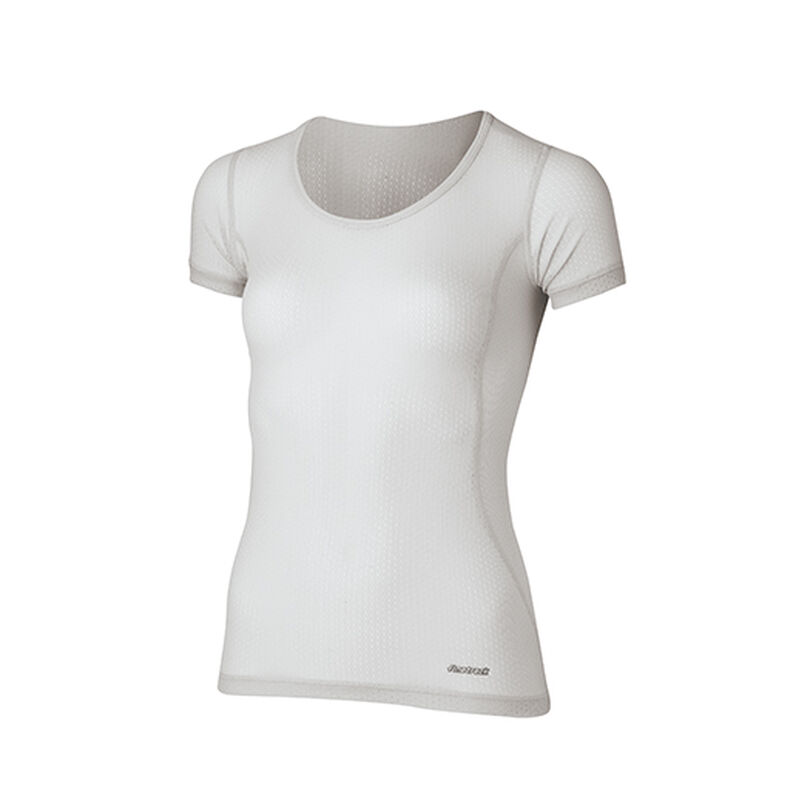
1) Add an Elemental Layer® Under Your Base Layer
Sweating during winter mountaineering is unavoidable, and a single base layer cannot always keep up with moisture. Every fabric has a limit to how much water it can absorb, and even fast-drying materials do not dry instantly. Wool is comfortable and naturally temperature regulating, but it absorbs little moisture and dries slowly, so it can struggle to manage heavy sweat.
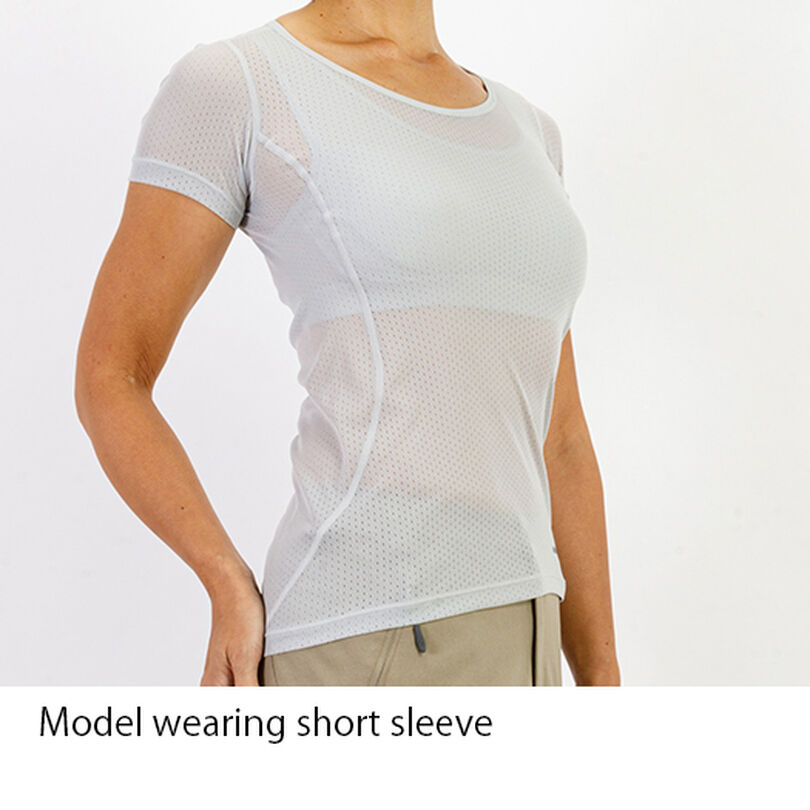
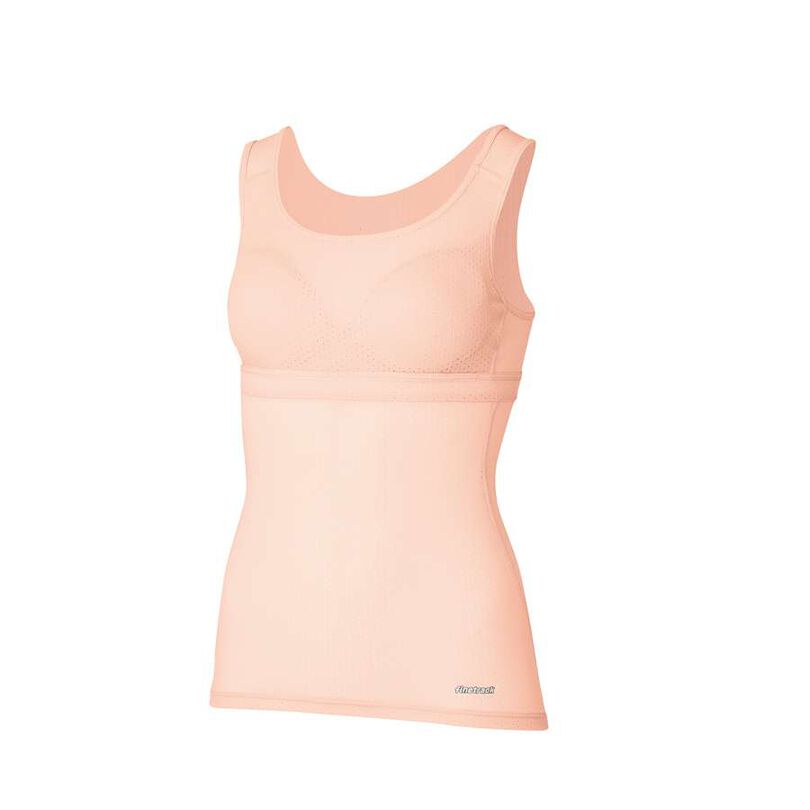
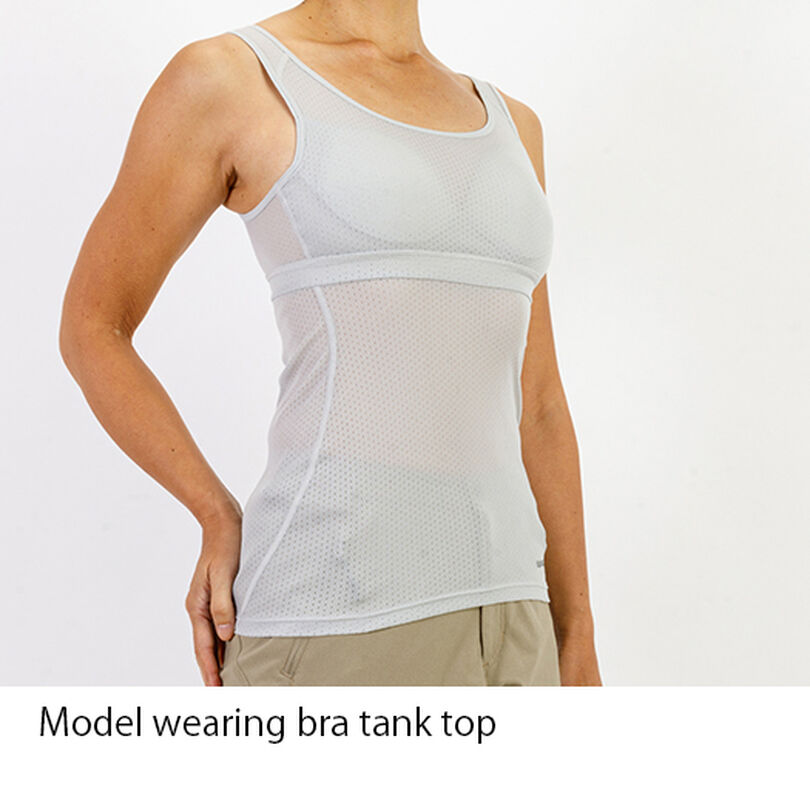
Adding a water-repellent Elemental Layer® beneath your base layer helps keep your skin dry.
The Elemental Layer® channels moisture away from your body and into the base layer above, while preventing your skin from touching the wet base layer. With one thin layer added to your system, you can significantly reduce cooling caused by moisture.

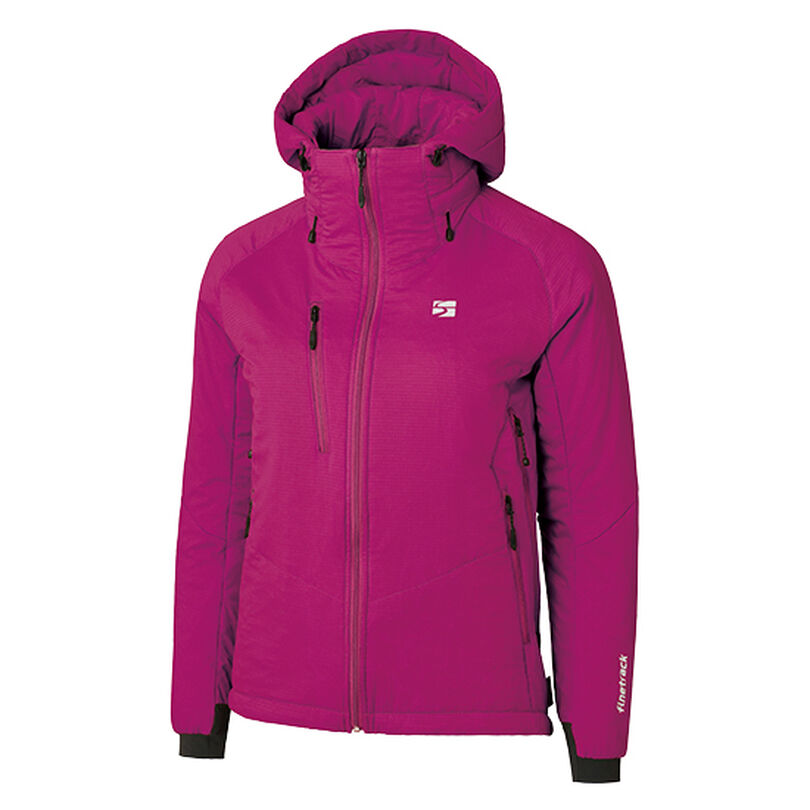
2) Choose a Mid Layer With Breathability and Quick-Drying Performance
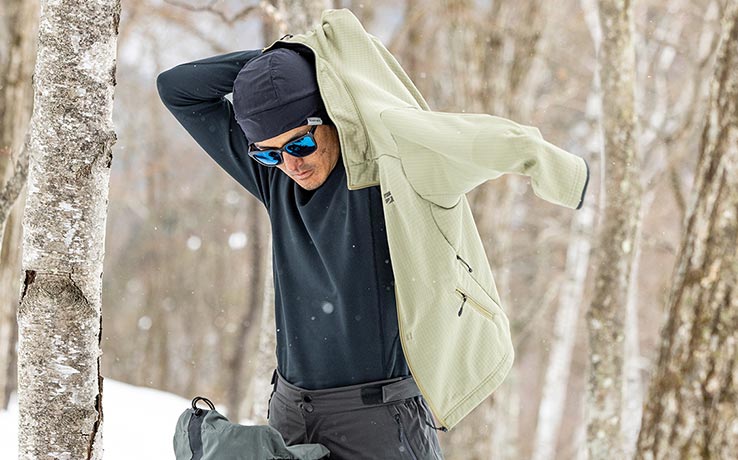
To maintain dryness more effectively, evaluate your mid layer as well. Many people assume sweat management is only the job of the base layer, but the mid layer also plays a crucial role. Choosing mid layers based only on insulation, such as thick fleece or down with poor breathability, can trap heat and cause internal moisture buildup. With high physical effort in winter, this can quickly lead to chilling.
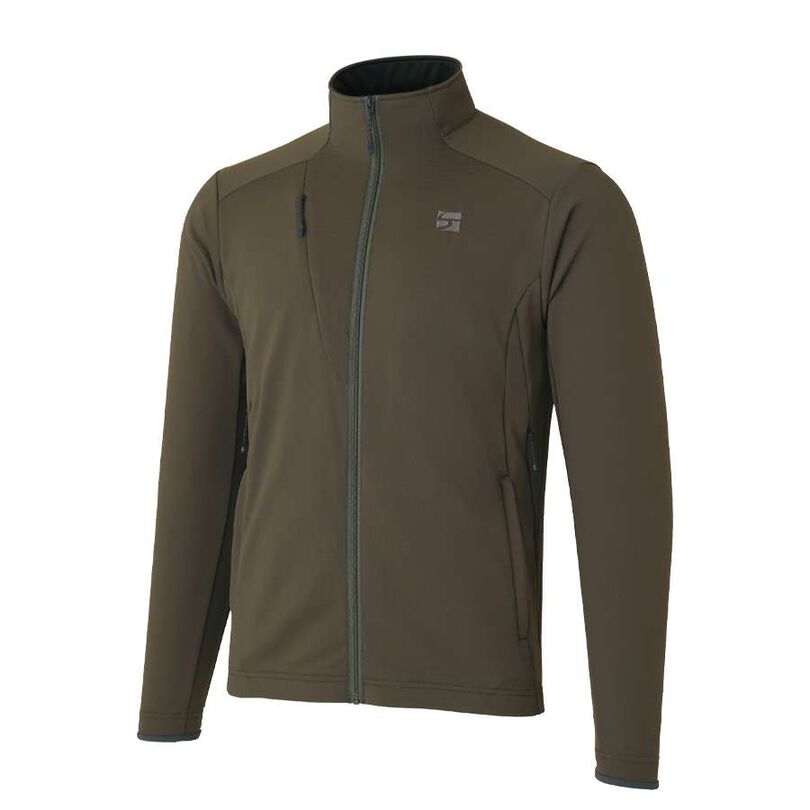
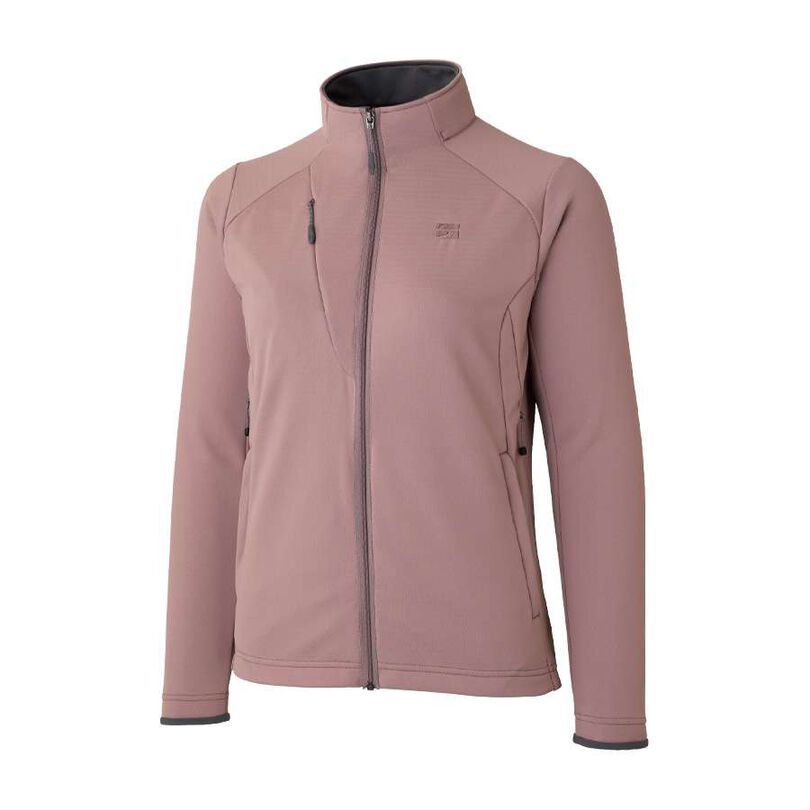
Choose a mid layer that combines insulation with breathability and quick-drying performance.
When both the base layer and mid layer move moisture efficiently, sweat dries faster and humid air escapes during movement, preventing condensation and keeping the internal environment more stable.
3) Optional: For More Demanding Winter Conditions
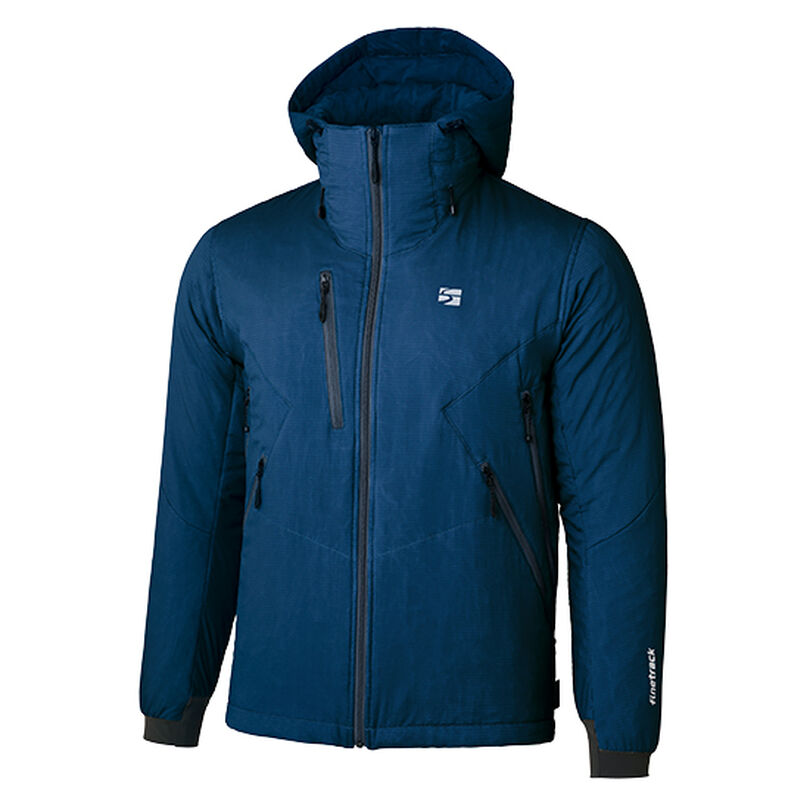
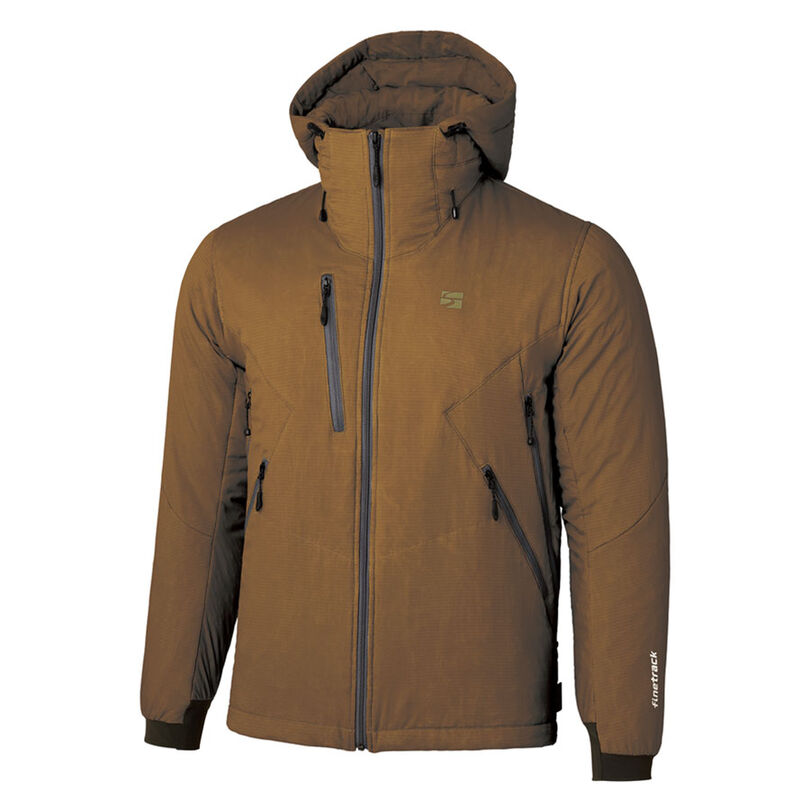
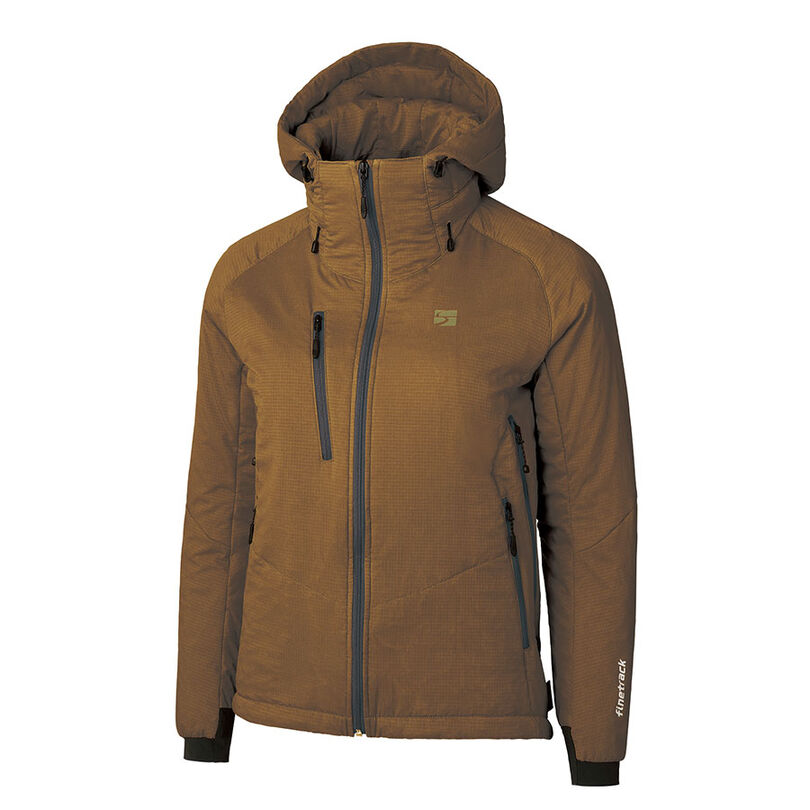
Adding additional functional layers expands your ability to adapt to severe alpine environments. For especially cold or challenging routes, add a Mid Shell® between the mid layer and outer shell. The space between the Mid Shell® and the outer shell creates an insulating air layer that increases warmth. The combination of a water-resistant Mid Shell® and a waterproof outer shell shields you from wind, snow, and surface moisture, keeping the interior dry even in extreme weather.
The Complete Layering System
This is the 5-layer system designed to keep your body dry and support efficient moisture movement. You do not need all five layers all the time. Adjust the system based on your activity level and the environment.
5-Layer System
L1: Elemental Layer®: dry feel next to skin
L2: Base Layer: moisture absorption, quick drying, insulation
L3: Mid Layer: insulation, moisture handling, breathability
L4: Mid Shell®: water resistance, breathability, wind resistance
L5: Outer Shell: waterproof, breathable, windproof
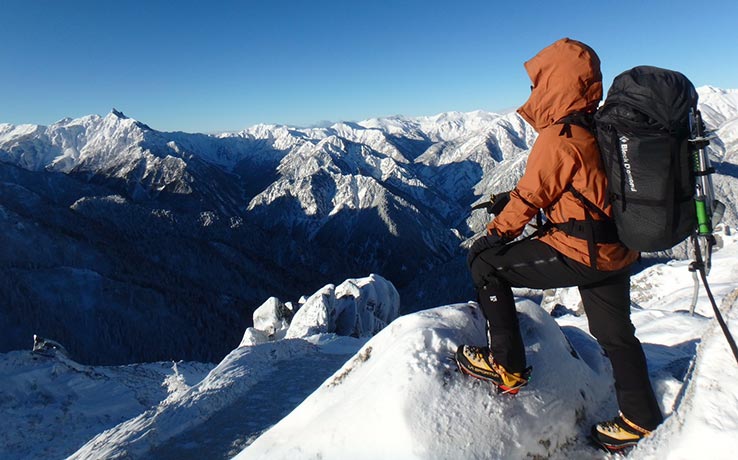
Stay Dry and Step Into the Winter Peaks
In winter mountaineering, safety and comfort depend heavily on how well you manage moisture and maintain dryness.
By adding an Elemental Layer® and choosing a mid layer that supports both insulation and moisture control, you can experience the winter mountains more safely and comfortably.
Stay dry, stay warm, and enjoy the alpine world.
Shop L1 Elemental Layer & L3 Mid Layer
.jpg?sw=810 "FUM0422_sub-(1).jpg") New
New
 New
New
 New
New
 New
New
 New
New
 New
New
 New
New
 New
New