
Most of us are familiar with the two ends of the shell spectrum. A full waterproof outer shell (or hard shell) for serious rain and snow, and a lightweight wind shell (or windbreaker) for breezy days. But what about everything in between? The conditions that are too much for a wind shell, but not quite bad enough to justify a full outer shell?

The Layer for Every "In Between" Moment
Light rain, a cool breeze, a short snow shower, a chilly ridge with no precipitation. These moderate conditions make up the majority of mountain time for most of us, and yet they are the hardest to dress for. The Mid Shell is designed specifically for these moments. It offers water resistance, wind protection, breathability, and a supple feel that makes it easy to keep wearing through sustained activity. It's the layer that sits between your outer shell and wind shell, and fills the gap that neither of them can.

Standing Alone or Layered: The Double Shell Effect
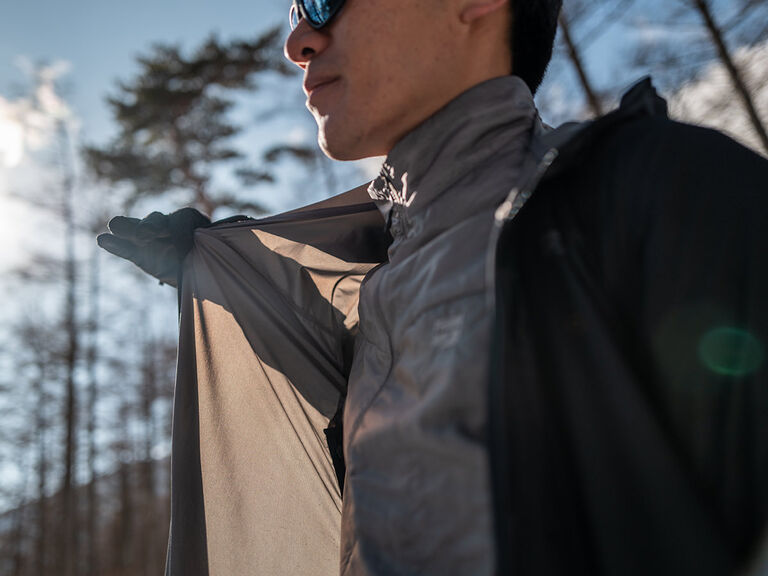
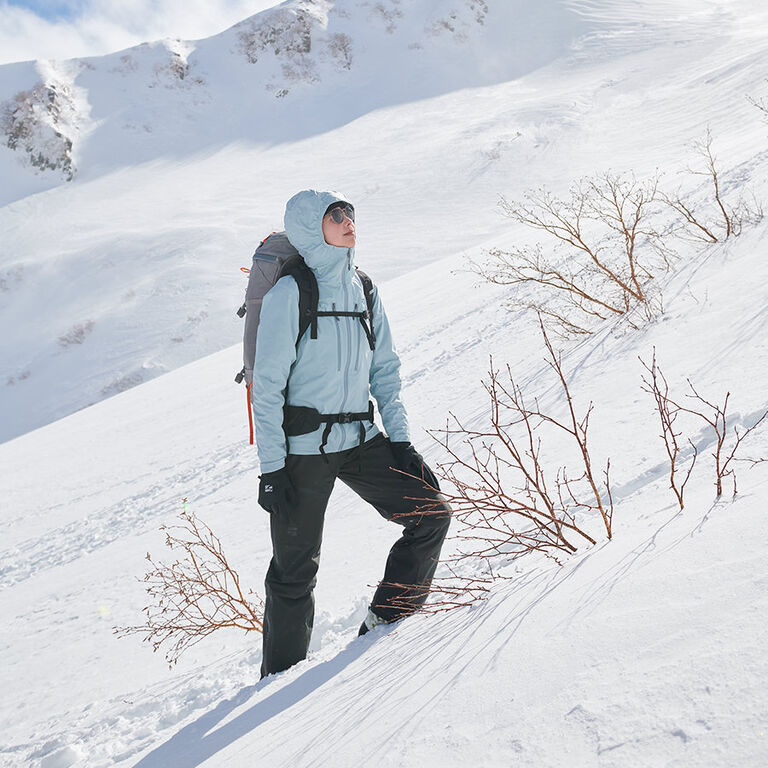
The Mid Shell works well as a standalone layer in spring through fall conditions. But its full potential is unlocked when combined with an outer shell in more demanding winter and alpine conditions.
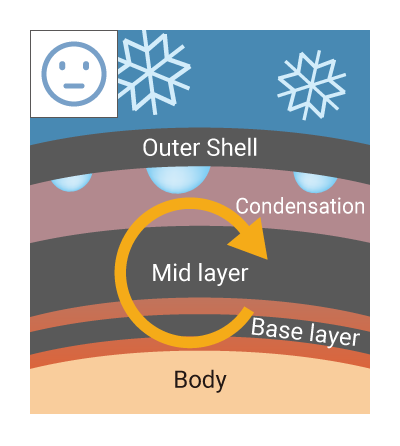
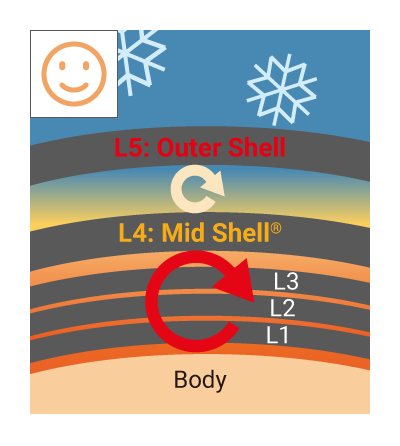
Think of it like a double pane window. The air gap between two panes reduces heat loss and condensation far more effectively than a single pane alone. The same principle applies here. The air buffer between the Mid Shell and outer shell acts as a thermal buffer, providing a second barrier against rain and snow infiltrating through cuffs and collars, while minimizing condensation inside the layering system. In harsh winter and alpine conditions, this means staying drier, warmer, and safer for longer.
What We Look for When We Design a Mid Shell
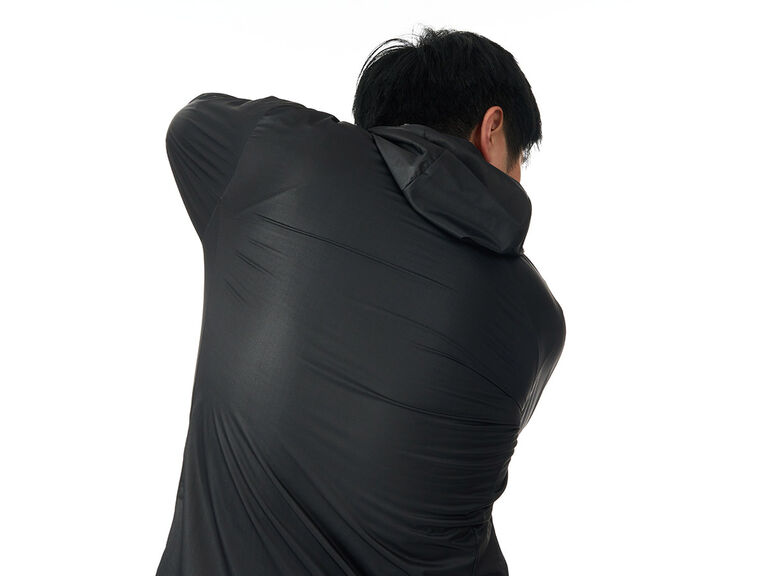
For us, a good Mid Shell starts with how it feels to wear. We believe stretchability makes a significant difference in how stress-free a layer feels, for both mid shell and outer shell. A Mid Shell should move naturally with your body, stretch where you need it to, and feel supple enough that you forget it's there. That's why we build our Mid Shell using a knit fabric construction.
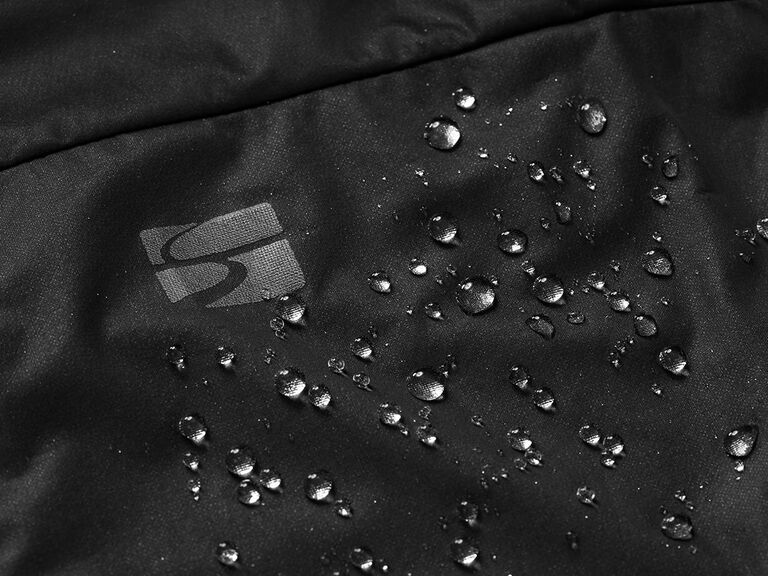
Beyond stretchability, it needs the right balance between water resistance and breathability. Enough water resistance to handle light rain and snow, and enough breathability to stay comfortable during sustained effort. And when moisture builds up faster than the fabric can release it, that's where LINKVENT® comes in. Finetrack's LINKVENT® aligns ventilation openings across the Mid Shell and outer shell, so a single zip motion ventilates all the way through both layers. A simple, effective way to manage heat and humidity on the move without taking anything off.
Finetrack's Mid Shell Lineup
MuWrap: All-Season Versatility
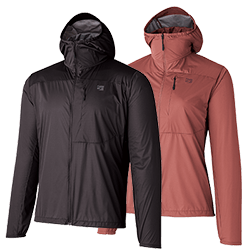
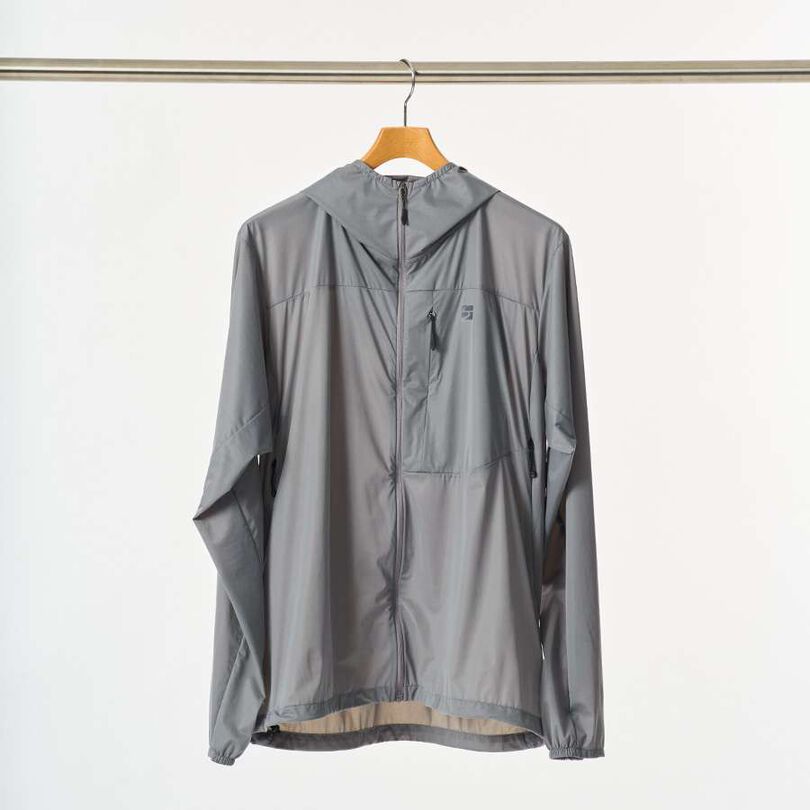
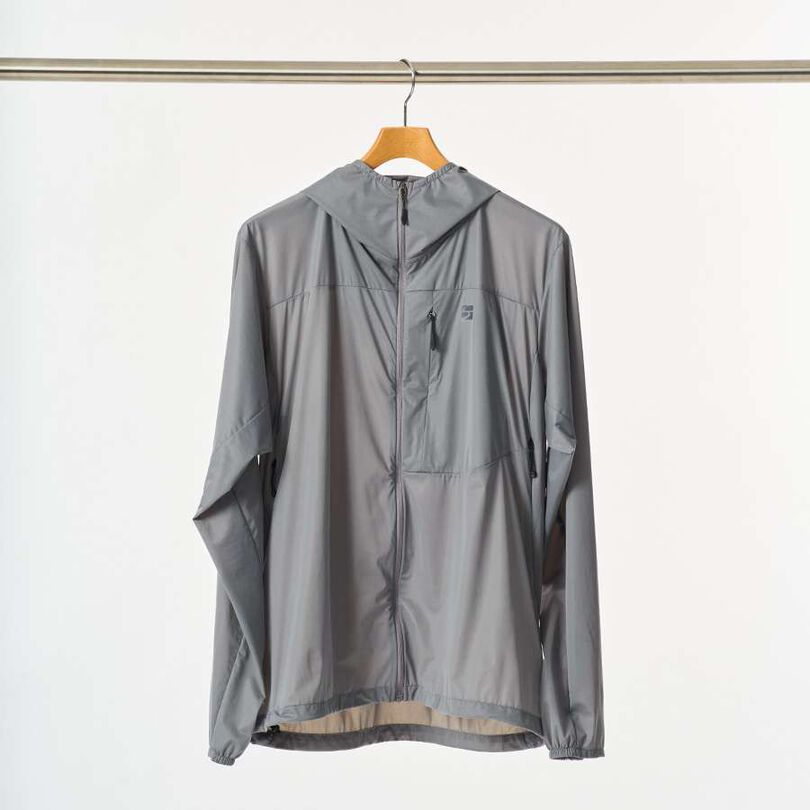
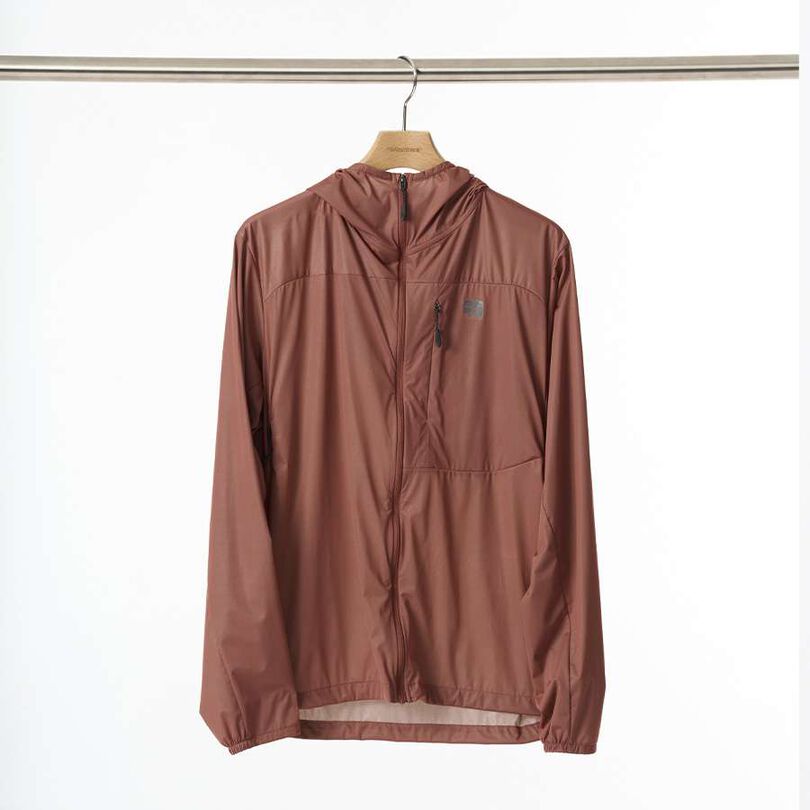
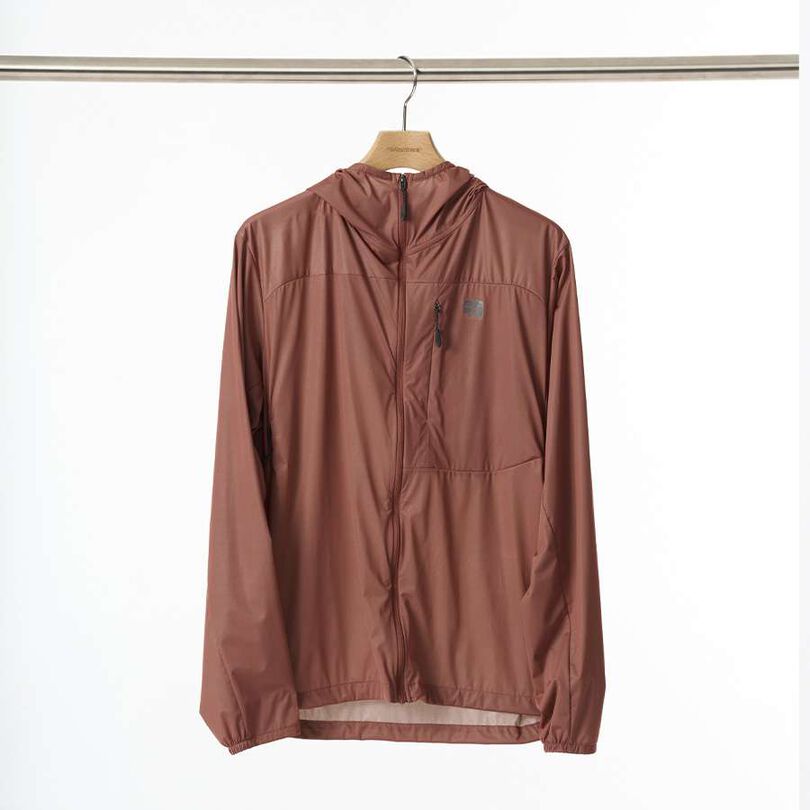
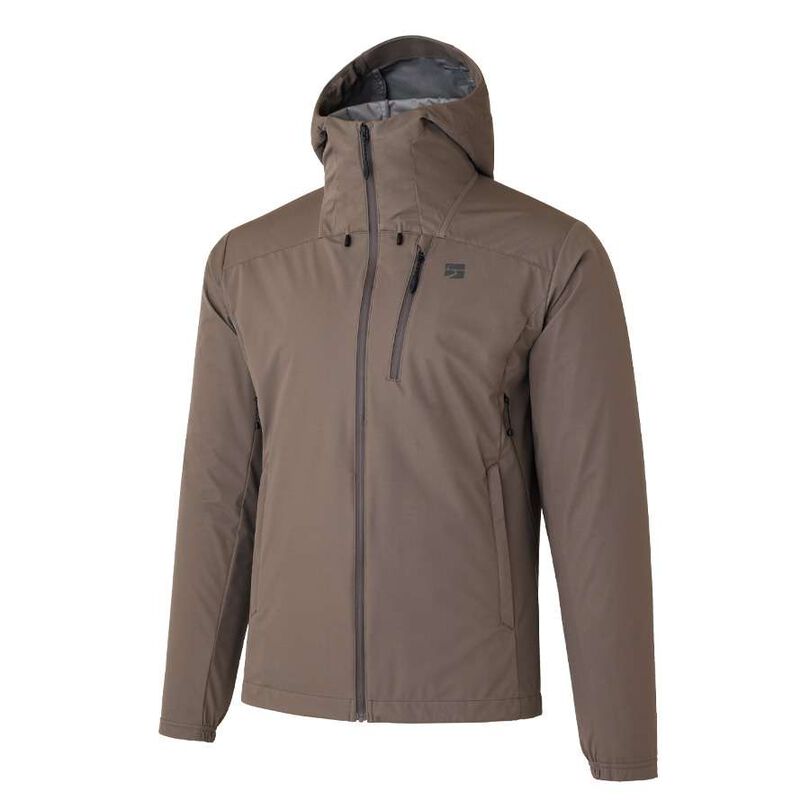
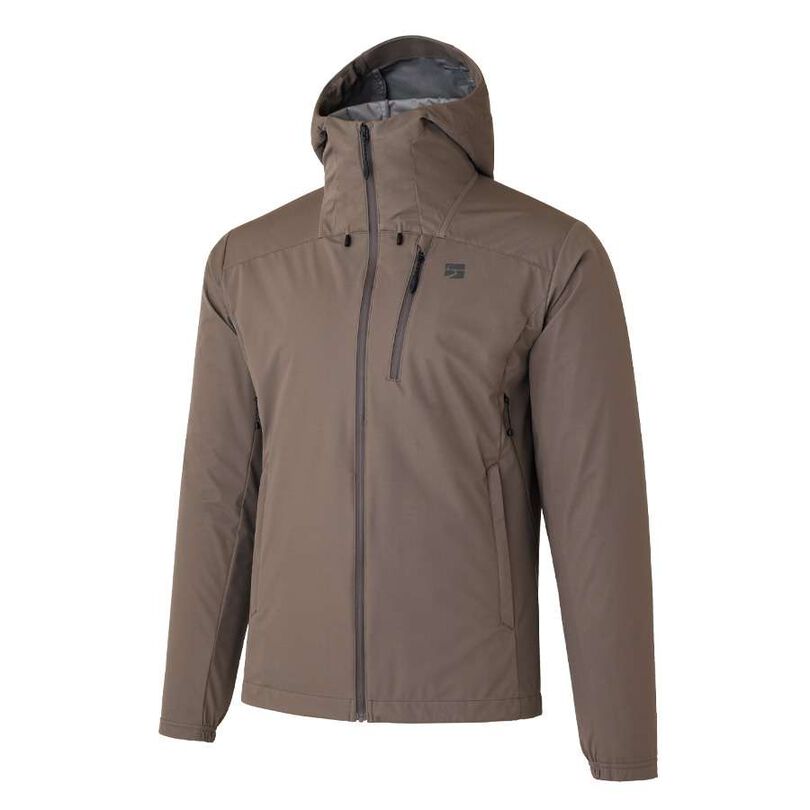
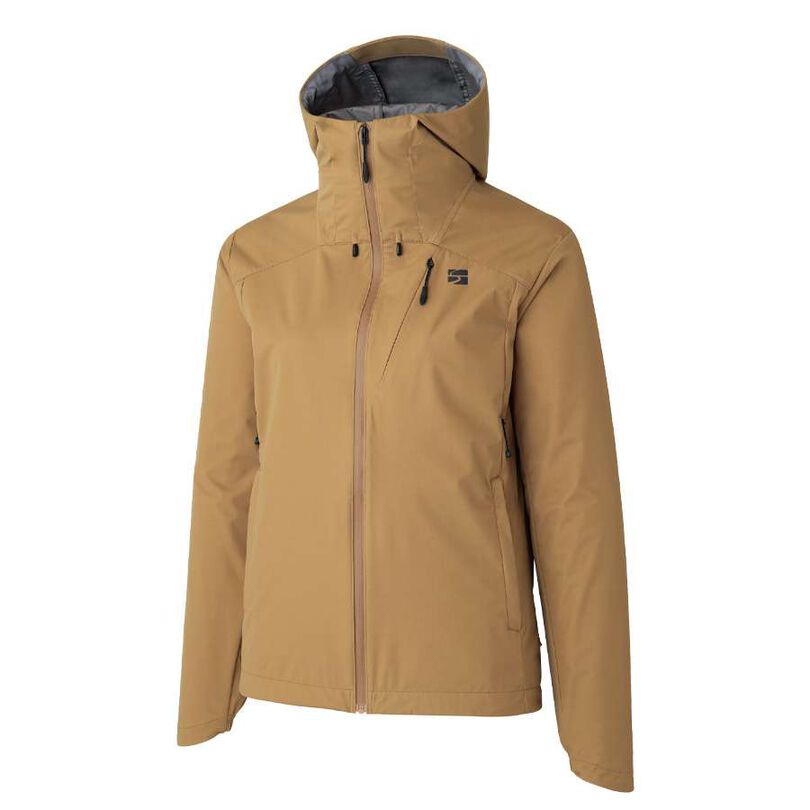
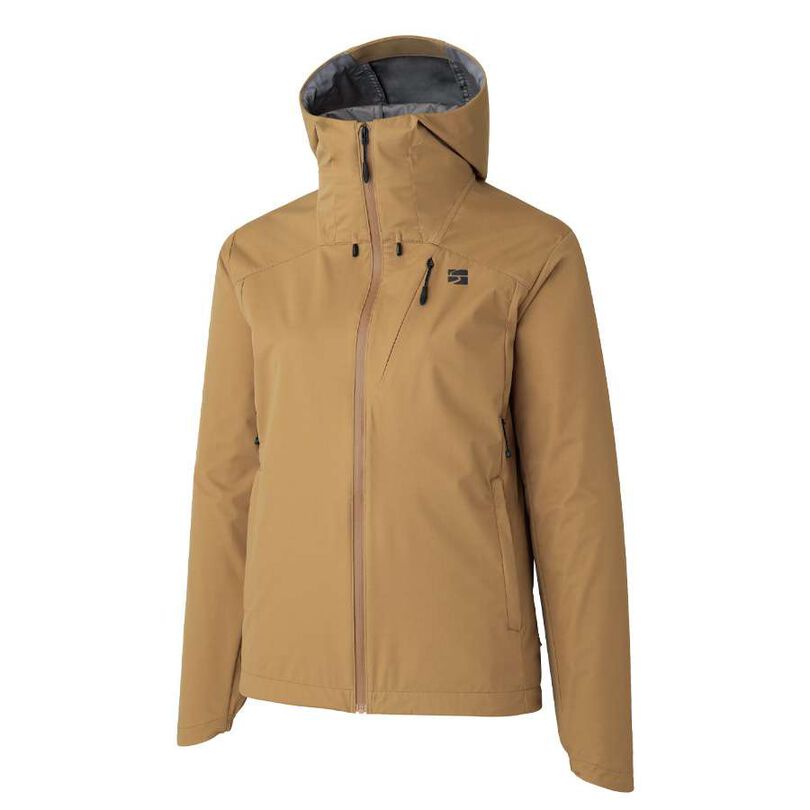
The MuWrap uses Finetrack's Everbreath®μ (Mu) membrane in an ultra-thin, fast-drying construction. Exceptionally light and compact, it's the Mid Shell for year-round use, from warm spring days to cool autumn hikes. A great option to keep in your pack as a backup layer for light rain or unexpected wind, without adding meaningful weight.
FlowWrap: Fall Through Winter Performance
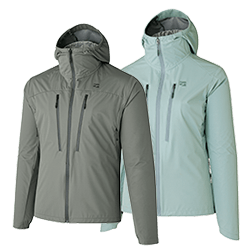
The FlowWrap uses Finetrack's Everbreath® Air membrane in a slightly thicker construction designed for cooler temperatures, from autumn mountains through winter alpine environments. For demanding conditions where you need a mid shell that keeps up with serious effort and serious weather, the FlowWrap is the choice.
Who Is the Mid Shell For?
The Mid Shell is for everyone who spends time in the mountains. Whether you are looking for a versatile standalone layer for those in-between conditions, or the extra protection of a Double Shell setup for more demanding winter and alpine environments, the Mid Shell has a role to play in your layering system. If you have ever found yourself caught between reaching for your outer shell or your wind shell, the Mid Shell is the answer to that question.
Explore Finetrack's L4 Mid Shell lineup:
 New
New
 New
New
 New
New
 New
New